Andrei Grachev, co-founder of DWF Labs, has issued a stark warning about potential market disruption from MicroStrategy and BitMine, two major corporate cryptocurrency holders. According to reports from DWF Labs, Grachev warned on X that these companies could trigger the largest crypto market crash in history, urging investors to prepare for Bitcoin potentially falling to $10,000-$20,000 levels. The warning carries significant weight as DWF Labs describes itself as a proprietary high-frequency trading firm that trades across 60 centralised and decentralised venues, making this warning more substantial than typical social media posts. The timing of this warning coincides with significant market stress indicators, though recent analysis reveals the companies' fundamentally different financial positions.
The timing of this warning coincides with significant market stress indicators. Bitcoin recently broke below $61,000 amid more than $1.7 billion in spot ETF outflows during the week, representing the largest weekly figure in over a year. Additionally, there were over $1 billion in 24-hour liquidations across the market, as reported by DWF Labs. U.S. spot Bitcoin ETFs just ended a 13-session outflow streak, but only after more than $4.4 billion in redemptions had already left the category. The latest session saw just $3.05 million in net inflows, which looks more like a pause than a full reversal. Bulls can argue that the streak breaking means selling pressure is finally easing, but the bearish near-term case still looks stronger as ETF holdings remain below the October 2025 peak, and institutions cut U.S. spot Bitcoin ETF positions by 17% earlier this quarter.
MicroStrategy currently faces substantial financial pressure with approximately $13 billion in unrealized Bitcoin losses, representing its largest paper loss ever recorded. The company holds more than 843,000 BTC across its corporate balance sheet, acquired at an average cost of $75,699 per Bitcoin. According to TradingView data cited by DWF Labs, Strategy's variable-rate perpetual preferred stock STRC slipped below $95, while MSTR shares have pulled back sharply. The company recently sold 32 BTC for approximately $2.5 million in late May - its first sale since 2022 - at an average price of $77,135, representing about 0.004% of its total holdings but marking the first crack in its never-sell narrative. Recent analysis reveals MicroStrategy holds 713,502 BTC after raising $25.3 billion in 2025, with a $12.44 billion net loss tied largely to unrealized digital-asset losses, creating balance-sheet stress that can no longer be ignored.
BitMine, an Ethereum-focused treasury, holds around 5.42 million ETH and 203 Bitcoin, carrying over $10 billion in unrealized losses after acquiring its stack at an average price near $3,500 per token. However, recent analysis reveals BitMine's fundamentally different financial position compared to MicroStrategy. As of its latest financials, BitMine holds roughly $11.6 billion in combined crypto, cash, and 'moonshot' holdings with approximately $9.86 billion in common equity against only $36 million in total liabilities. The company has zero total debt, making it an equity-funded stash rather than a debt-funded structure like MicroStrategy. BitMine is now pursuing a similar treasury playbook with ether, recently buying $234 million of ether, bringing its holdings to more than 5 million ETH, or about 4.21% of circulating supply. The company has priced preferred shares with a 9.5% dividend to help fund further accumulation, and its ether holdings generate an estimated $264 million in annualized yield, which could support the case for patience.
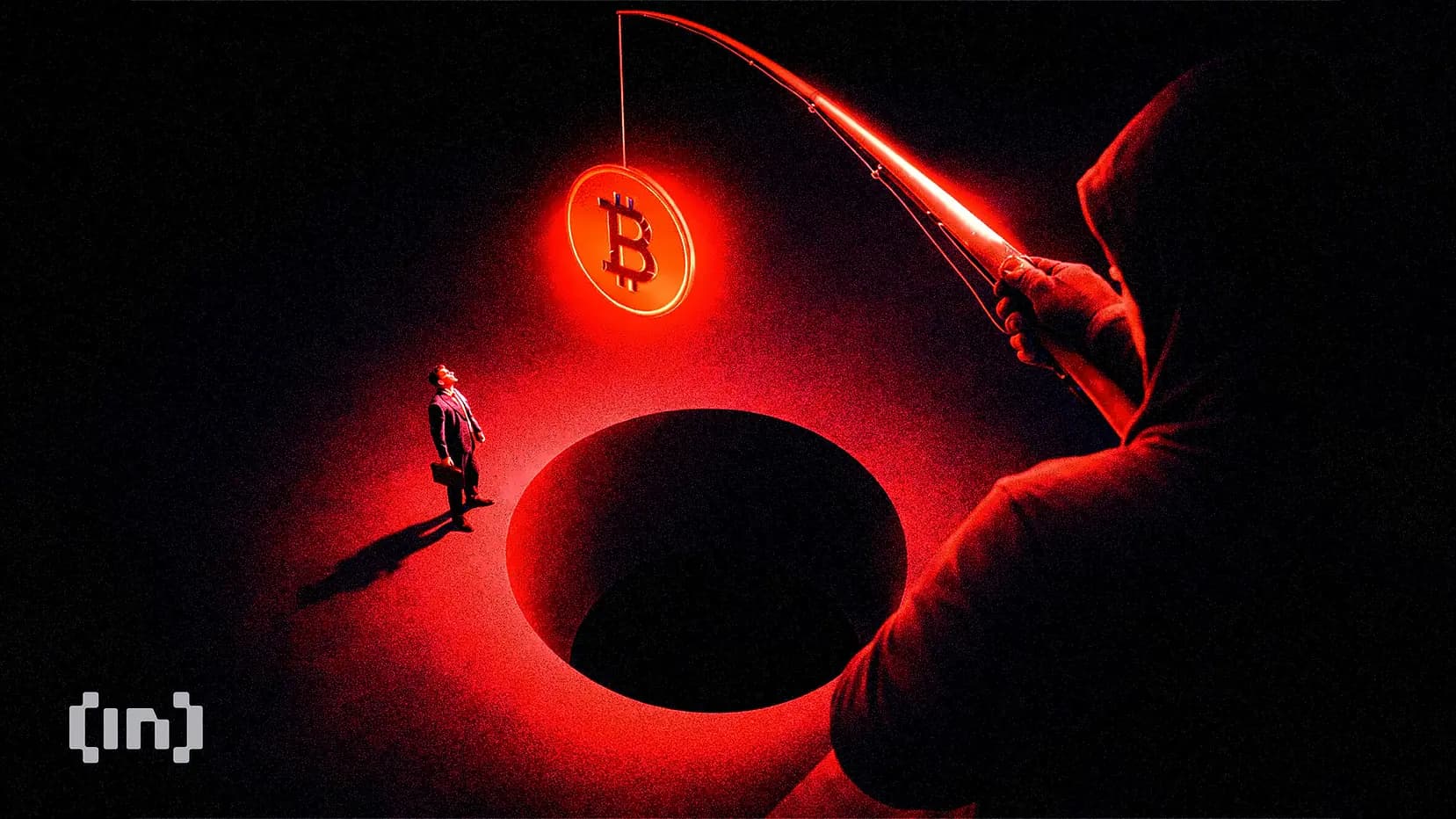
The warning highlights a fundamental shift in crypto market dynamics as accumulation moves from individual wallets to public-company balance sheets. Bitcoin is trading around $61,000 today, down from roughly $82,000 in early May and significantly below its 2025 all-time high above $71,000. Ethereum has fallen from about $1,978 at the start of June to roughly $1,583 today - a drop of about 20% in a single week. The structural force isn't crash risk but the slow normalization of corporate crypto holdings managed through accounting mechanisms, debt repurchases, and token-size sales rather than panic dumping. While both companies represent new market concentration risks, the real structural question lies in MicroStrategy's debt-funded structure and its $6.7 billion in outstanding convertible notes that create leverage to Bitcoin price movements. The market is coming off a fragile pause in ETF redemptions and a recent major institutional risk reassessment, which represents a weaker backdrop than a clean demand recovery.