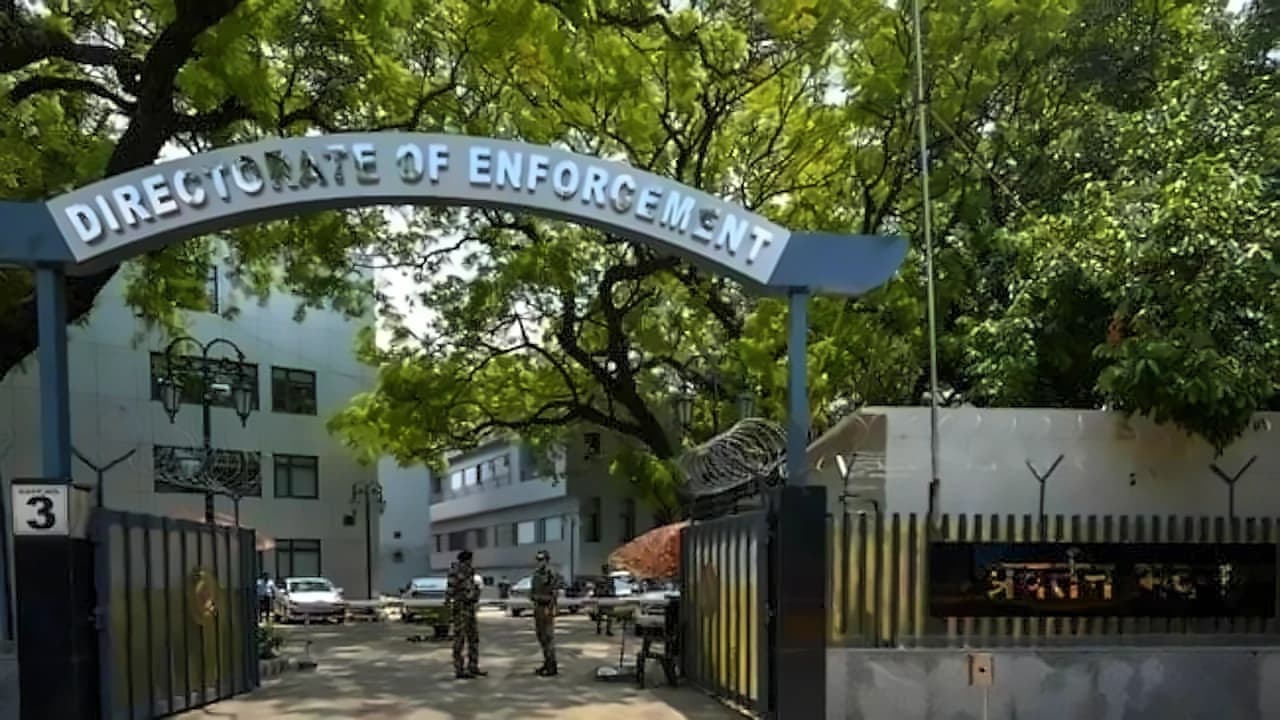
The Enforcement Directorate (ED) conducted searches at six locations in Bengaluru on June 17 under Section 37 of the Foreign Exchange Management Act (FEMA), as reported by The New Indian Express. The searches targeted premises linked to five companies - Transak Technology India Pvt. Ltd., Carretx Technologies Pvt. Ltd., Mokshagna Technologies Pvt. Ltd., Buyhatke Internet Pvt. Ltd. and Abhibha Technologies Pvt. Ltd. These entities operated platforms and brands including Transak, Carret, Xpat (formerly Remit2Any), Onramp.money and Onmeta. The investigation was initiated following a complaint alleging large-scale FEMA violations by Bengaluru-based entities using Virtual Digital Assets (VDAs) for cross-border transactions. According to The Economic Times, this action has created a new crisis for India's crypto sector, marking the seven-year itch that has come a year late for the turbulent crypto trade after 2018 when RBI cut off crypto exchanges from banks.
According to the ED statement, the companies were allegedly providing crypto-based on-ramp and off-ramp services that enabled users to convert Indian rupees into virtual digital assets, including stablecoins such as USDT, and vice versa, for cross-border transactions without obtaining the required authorisations from the Reserve Bank of India (RBI). The ED alleged that these entities failed to comply with RBI-mandated requirements, including purpose codes and Foreign Inward Remittance Certificates (FIRCs). Investigators found evidence of large over-the-counter crypto transactions, the use of shell entities in tax havens and foreign crypto platforms to route funds. As per the latest reports, investigators further allege that some entities collected funds from overseas customers, converted those funds into virtual digital assets, and then routed them through Indian cryptocurrency platforms before transferring them to intended beneficiaries, creating an alternative channel for fund movement outside traditional banking routes. Mokshagna Technologies specifically was found to have collected funds from customers in the U.S., converted them into crypto assets, and transferred them to Indian crypto trading platforms, with the operation allegedly controlled by one person residing in the U.S. with support from family members in India. According to The Economic Times, cryptocurrencies freely crossing borders can fall foul of foreign exchange laws even if the funds used in buying or selling cryptos are kosher, as the message is that when money moves in and out of India in the garb of cryptos and banks are bypassed, there's serious breach of the Foreign Exchange Management Act (FEMA) even though there's no violation of the anti-money laundering law (PMLA) and funds aren't 'proceeds of crime'.
The alleged unauthorised cross-border money transfers exceeded ₹2,500 crore through virtual digital assets, as reported by The New Indian Express. During the searches, the agency froze bank accounts linked to some of the entities with a balance of around ₹6 crores. The ED's Bengaluru Zonal Office conducted the searches under section 37 of FEMA, 1999, focusing on allegations of unauthorized cross-border transfer of money by multiple entities using Virtual Digital Assets. According to The Economic Times, this action could significantly impact crypto exchanges' ability to source offshore liquidity, raising concerns about cross-border virtual asset transactions and their compliance with FEMA regulations. The legal premise underpinning the enforcement action may not stay confined to remittance-style fact patterns but extend to other cross-border VDA transactions, including over-the-counter purchases, as most VDAs are issued by overseas entities and Indian players face difficulty in securing banking support to remit funds for acquiring VDAs from abroad.
Indian crypto exchanges face significant regulatory challenges as they must either transmit USDT or stablecoins linked to the US dollar or transfer funds through banks, both of which violate FEMA as banks and forex haven't been used. As per The Economic Times, when money moves in and out of India in the garb of cryptos and banks are bypassed, there's serious breach of the Foreign Exchange Management Act (FEMA) even though there's no violation of the anti-money laundering law (PMLA) and funds aren't 'proceeds of crime'. Often exchanges don't directly deal with overseas players but transact with 'liquidity providers', but questions would crop up on their dealings. Purushottam Anand, founder of Crypto Legal, noted that the legal premise underpinning the enforcement action may not stay confined to remittance-style fact patterns but extend to other cross-border VDA transactions, including over-the-counter purchases, given that most VDAs are issued by overseas entities and Indian players face difficulty in securing banking support. Sudhakar Lakshmanaraja, founder of Digital South, emphasized that given their border-less nature cryptos can no longer be seen through the PMLA lens alone, as most platforms permit withdrawals and once assets leave the platform, effective oversight is difficult, with implications under RBI's Liberalised Remittance Scheme (LRS) which forbids a resident individual from remitting beyond $250,000 a year.
Investigative agencies are now analysing financial records, foreign affiliations, digital wallets, transaction histories, and other electronic evidence linked to the entities under scrutiny, as reported by The New Indian Express. The investigation remains ongoing with authorities seeking to determine the extent of any regulatory violations and whether a larger international financial network may have been involved in facilitating the alleged transactions. Harshal Bhuta, a FEMA specialist, noted that ED's treatment of cross-border crypto transfers as money transfers has economic logic, but clashes with the positions of RBI before Supreme Court and that of Madras HC, which declined to treat crypto as currency. He emphasized that if crypto isn't currency, equating its movement with money transfer is debatable, as very little crypto is mined here yet are freely available with trading volumes growing, raising questions on how cryptos enter India, who pays for them, and how. Renowned cybercrime expert and former IPS officer Prof. Triveni Singh noted that while digital assets have made financial transactions faster and more global, inadequate compliance and identity-verification mechanisms can create opportunities for misuse. He emphasized that cryptocurrencies may be exploited to obscure money trails, facilitate unauthorised financial flows, and complicate investigations if proper safeguards are not in place, highlighting that blockchain analytics, banking records, and digital forensic examinations are crucial in uncovering the complete transaction chain in such cases.