Crypto companies have contributed $206 million to the 2026 US election cycle, representing the largest technology sector contribution according to Public Citizen's analysis of Federal Election Commission records. This figure surpasses online betting companies at $76 million and Big Tech, AI and data center businesses at $62 million. Corporate contributions across all sectors have reached $646 million so far, already 40% above the $461 million recorded during the entire 2024 presidential election cycle and more than triple the $184.1 million reported during the 2022 midterms. Crypto companies, online betting firms and businesses connected with AI and data centers contributed a combined $344 million, accounting for 53% of the corporate contributions disclosed to the FEC.
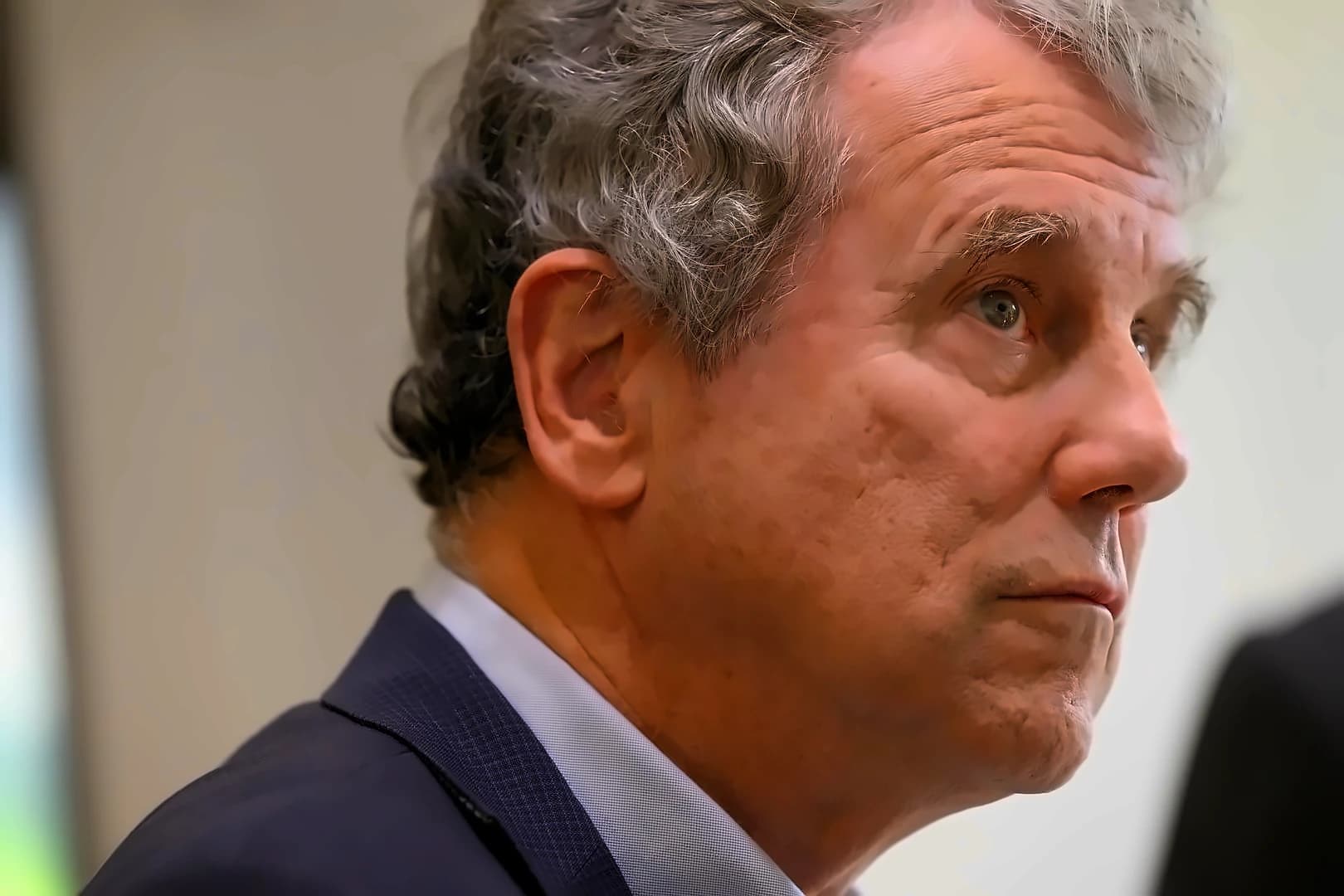
The crypto industry's leading campaign-funding operation, Fairshake, has launched a $30 million advertising campaign against former Ohio Senator Sherrod Brown, who is seeking to reclaim the seat he lost in 2024. According to reports from The New York Times, this represents the industry's most aggressive campaign of the midterms so far, with advertising and direct mail targeting Brown beginning Tuesday. The push came one week after the CLARITY Act failed to advance in the Senate, with the procedural vote finishing 49-50, well short of the 60 votes needed to move it forward. This represents the largest spending from the industry's campaign arm in 2026, matching the $41 million that Fairshake spent in 2024 against Brown — its largest-ever outlay. The current Republican majority in the Senate has been productive for crypto advocates, and a Brown win could help shift the balance toward Democrats' narrow chance to regain the majority.
The proposed spending follows the failed Senate vote on September 15, when the motion to begin debate on the Digital Asset Market Clarity Act received 50 votes to 49, falling short of the required 60 senators for advancement. According to Reuters, several lawmakers involved in negotiations voted against the motion, including Democratic Sens. Ruben Gallego, Kirsten Gillibrand and Angela Alsobrooks, as well as Republican Sens. Susan Collins, Josh Hawley, Jerry Moran and Thom Tillis. Disagreements over presidential ethics, stablecoin rewards, protections for decentralized software developers and state authority prevented senators from reaching a final deal. A revised version would have assigned the CFTC authority over qualifying digital commodities and registered spot-market intermediaries, while the SEC would have retained jurisdiction over assets governed by federal securities laws.
Fairshake has remained the main political vehicle for crypto companies during the 2026 election cycle, with Public Citizen calculating $83 million in corporate contributions to the super PAC through the second quarter. Federal Election Commission records show Fairshake reported $137.4 million in total receipts between January 1, 2025 and July 31, 2026, with $88.7 million in total disbursements, including $65 million transferred to affiliated committees and approximately $13.3 million in independent expenditures. The organization's cash on hand stood at nearly $113 million at the end of July, building on its substantial $193 million war chest by January. Fairshake operates alongside two affiliated groups: Protect Progress, which participates in Democratic races, and Defend American Jobs, which focuses on Republican contests. The network entered the final stage of the election cycle with a reported $122 million available for spending before the November 3 general election.
According to recent surveys cited by Reuters, Brown is three to five percentage points ahead of Husted in the latest polling, with recent polling describing voters as leaning slightly toward Brown. However, prediction markets tell a different story, with Polymarket traders giving Democrats a 93% chance of taking the House and 65% chance of taking the Senate, while Republicans are at 7% and 36% respectively. In Ohio specifically, traders price Brown at 61% on Polymarket's US market, against 40% for Husted, while the global book is tighter at 55% to 46%. Brown's campaign had raised $38.6 million, compared with $14.3 million for Husted, while Republican organizations launched a separate $14 million advertising campaign supporting the incumbent. Fairshake spokesman Geoff Vetter confirmed that the PAC still has more than $90 million on-hand that it can use in the general election, with the winner completing the remaining portion of Vance's term through January 2029.