The crypto industry's campaign-finance juggernaut, Fairshake political action committee, delivered a 3-1 win record in Southern primaries, converting spending into seats at a 75% clip. According to the latest reports, the super PAC claimed a '6-0 sweep' in primaries across Kentucky, Alabama and Georgia, though one big race awaits a runoff. The leading crypto PAC has been devoting tens of millions of dollars across the primaries this year, focusing on candidates who are highly likely to win their later general elections due to party dominance in their regions. With $288 million already deployed in the 2026 midterms, the industry has already surpassed the $130 million spent in all of 2024, demonstrating a dramatic escalation in political influence.
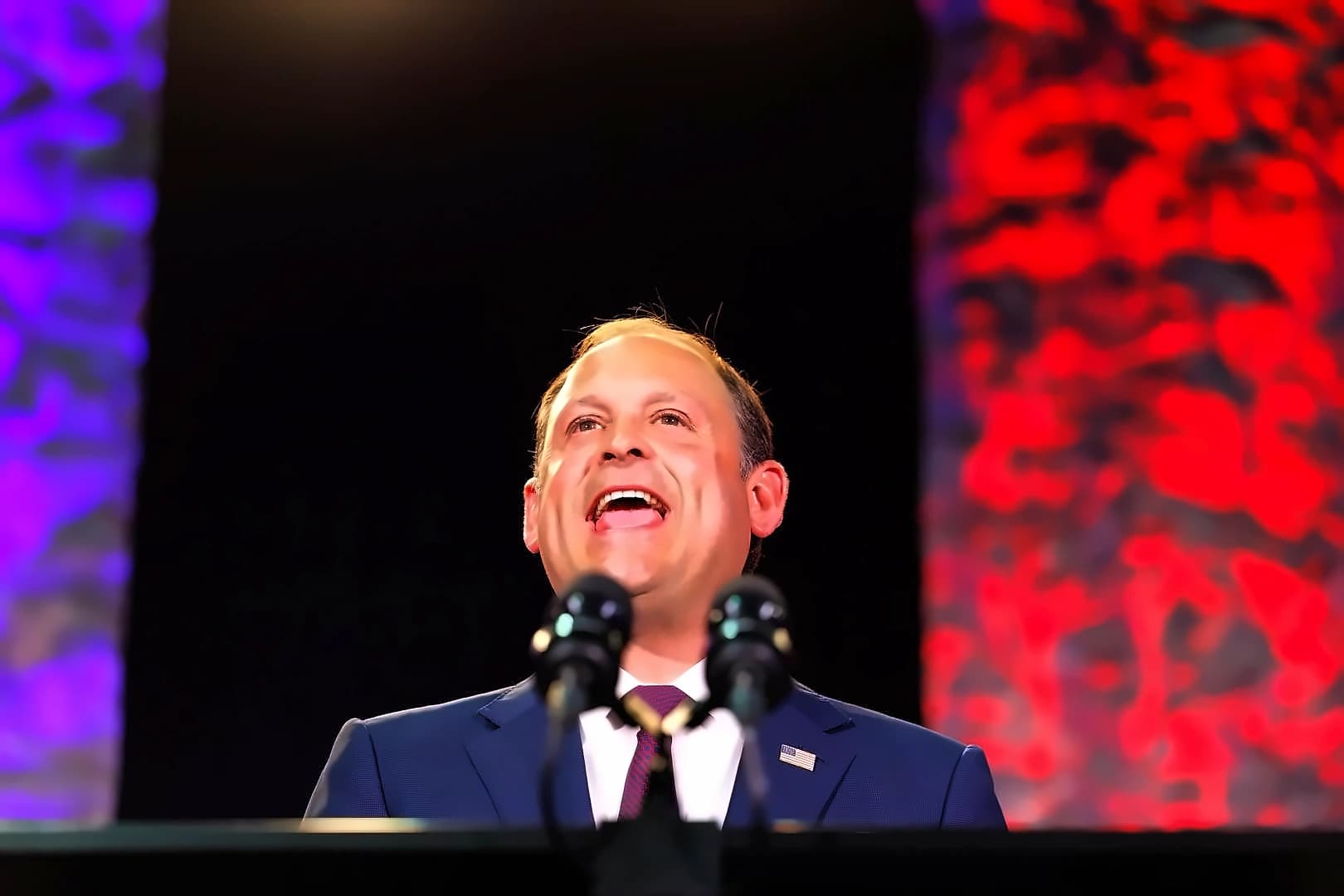
Fairshake deployed more than $20 million in political advertising across the three states, with more than $7 million each spent in Tuesday's Senate primaries in Alabama and Kentucky. In Kentucky, the PAC backed Republican U.S. Representative Andy Barr to replace longtime Senate powerhouse Mitch McConnell, and Barr won that primary handily with more than 60% of the vote. In Alabama, the $7.4 million spent didn't quite get to a resolution, as Representative Barry Moore didn't get past the 50% mark despite leading his closest competitor by more than 13 percentage points, so the crypto-backed candidate will face a runoff. The PAC is now making its biggest single bet yet with $5 million to support Rep. Barry Moore in his Senate run, positioning him as a crypto champion who tells followers "Crypto is not a fad, it is part of our future."
In Georgia, Fairshake focused on four seats in the U.S. House of Representatives, including a Democratic primary in the district left vacant after the death of longtime Democratic Representative David Scott. According to reports, the PAC supported Jasmine Clark, a Democratic state lawmaker who dominated a crowded field after getting $4.2 million in crypto ad spending. Such spending far outstripped the organic campaign fundraising in that race, with the crypto funds totaling more than was raised by all 10 Democratic candidates and far more than Clark's own $1.2 million brought in by her campaign directly. Clark's campaign platform includes support for emerging technologies including AI, blockchain and cryptocurrencies, along with a call for a clearer regulatory framework to help the industry grow and protect consumers. The North Carolina House races show the model in action, with Don Davis taking $2.28 million in outside spending and winning, while Wiley Nickel received $116,161 and also won, both being Democratic incumbents who apparently got the memo that crypto money carries weight.
Across Georgia, Fairshake also poured lesser amounts of cash into Republican primaries, backing candidates Jim Kingston (who won with 52%), Houston Gaines (who won with 67%) and incumbent Representative Clay Fuller (who had previously prevailed in a special election in April to replace Marjorie Taylor Greene and won this week with 81%). As reported by Fairshake, the PAC's strategy has been to run ads designed to support or oppose candidates on whatever political points the committee sees as most effective, almost never mentioning the cryptocurrency issue directly. The group's approach reflects how super PAC money can shape primaries without direct coordination with campaigns. In Texas, Fairshake deployed $1.5 million in anti-Al Green ads against the crypto-critical Democrat, flipping a race that looked secure, with Green now facing a runoff where his pro-crypto opponent Christian Menefee has a real shot at unseating him.
The $221 million still sitting in pro-crypto super PAC coffers represents a weapon waiting to be fired against any candidate who steps out of line. Fairshake alone started 2026 with $193 million on hand, making it the #1 super PAC by funds raised and the #5 most-funded PAC overall in the country. This isn't campaign spending - it's a war chest that allows the industry to pick winners before the first primary ballot is printed. The 2024 spending pattern reveals the network's strategic leanings, with $53 million for GOP candidates versus $33.4 million for Democrats in competitive Senate races, helping flip Ohio and give Republicans control. But in House battlegrounds, the split was nearly even: $12.7 million for Republicans compared to $13.3 million for Democrats. With this unprecedented financial firepower, the industry can now punish failure rather than just reward loyalty, targeting detractors in either party if market structure legislation stalls. The Southern primary sweep proves the model works: pick winners, fund them aggressively, and the balance of power bends to match your agenda.