The Clarity Act cleared the Senate Banking Committee in a 15-9 vote on May 15, 2026, giving crypto investors clearer signals that U.S. market structure rules are moving forward. According to reports from MarketWatch, Coinbase shares rose 13% after the committee advanced the bill, demonstrating how strongly public crypto firms react to clearer regulation. The bill is designed to reduce unclear rules around when digital assets are treated as securities or commodities, which has been a major problem for years in the U.S. crypto market. Bitcoin traded near ₹6,89,300 ($80,837), Ethereum held around ₹1,93,000 ($2,266), and the total crypto market cap sat near ₹22,70,000 crore ($2.77 trillion) with Bitcoin dominance around 58.5%. The legislation, known as the Digital Asset Market CLARITY Act, received support from all Republican members of the committee along with two Democrats — Arizona Senator Ruben Gallego and Maryland Senator Angela Alsobrooks — and will now move to the full Senate for further debate and voting. As per Reuters, the crypto industry has pushed aggressively for the legislation, spending more than $119 million backing pro-crypto candidates in 2024 hoping to advance the Clarity Act and a separate bill paving the way for wider adoption of dollar-backed tokens known as stablecoins, which became law last year.

Coinbase shares rose 13% following the Senate committee's passage of the Clarity Act, marking a significant victory for the leading U.S. cryptocurrency exchange. As per GF Value™, the legislation aims to clarify jurisdictional boundaries between securities regulators and the Commodity Futures Trading Commission regarding digital assets, providing the industry with a predictable compliance pathway. Coinbase Global Inc, founded in 2012, serves as the leading cryptocurrency exchange platform in the United States with a market capitalization of approximately $55.86 billion. The company generates the majority of its revenue from transaction fees charged to retail customers while expanding into adjacent businesses such as prime brokerage and data analytics to diversify its revenue streams. Based on the available data, Coinbase appears to be modestly undervalued with a GF Value™ of $243.94 compared to its current price of $212.01, representing a 13.1% discount. The company's GF Score™ is 86/100, indicating strong overall performance based on various financial metrics, with a P/E (TTM) of 79.7x compared to a 5-Year Median P/E of 32.87x, suggesting the stock may be trading at a premium based on current earnings.
The strongest portfolio setup for 2026 combines large-cap liquidity with smaller projects targeting clear market themes. Bitcoin (BTC) remains the main asset with recent trading near ₹6,89,300, offering deep liquidity and strong institutional recognition. Ethereum (ETH) trades near ₹1,93,000 and provides exposure to crypto infrastructure, particularly useful for regulated market questions around tokenization and DeFi applications. Chainlink (LINK) recently traded near ₹860 ($10.37) and fits the Clarity Act story because clearer rules could support more real-world assets and institutional blockchain activity. Poly Truth (PTRUE) offers a data-led presale approach with 11.5 billion tokens and 4,452% staking rewards, while Meme Punch (MEPU) brings gaming utility with 10 billion tokens and a medieval play-to-earn arena. Clearer regulation may actually make the market more selective, as investors will look harder at what tokens do and how their supply is structured, making presale coins like PTRUE and MEPU potentially stronger opportunities.
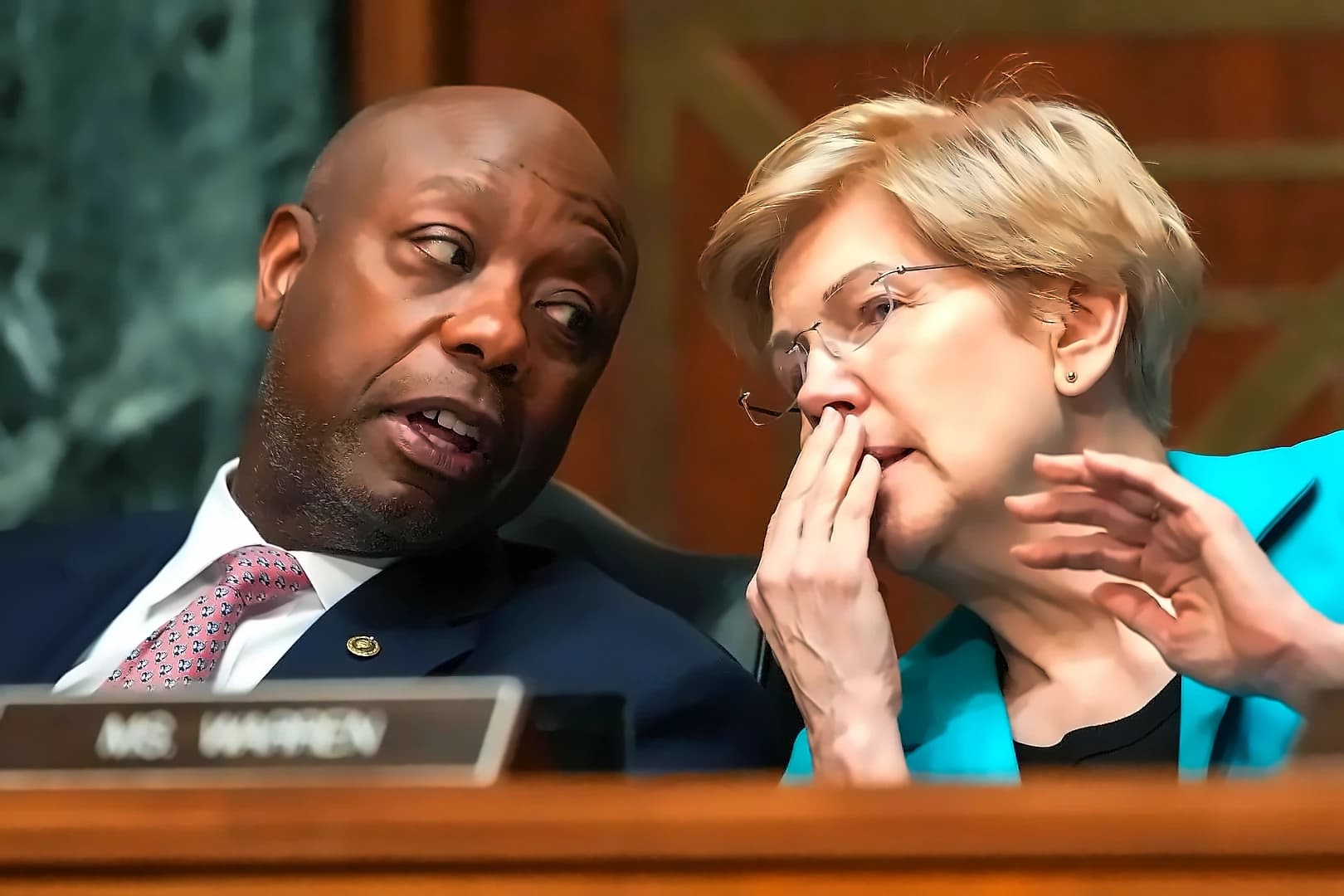
Clearer market structure rules can help larger crypto assets, regulated exchanges, and serious projects with visible token models. According to the analysis, regulation does not remove volatility but changes how capital enters the market. Large investors usually want clearer rules before adding more crypto exposure, which is why Bitcoin and Ethereum often benefit first when regulatory sentiment improves. Smaller projects can also gain from better market mood, but they need stronger reasons to stand out, with tokens tied to data, prediction markets, gaming, and real user activity having easier stories than coins built only on hype. Raj Karkara, COO of ZebPay, noted that regulatory clarity will remain instrumental in enabling responsible innovation and fostering long-term confidence among businesses, investors, and consumers alike. The Clarity Act seeks to establish clear criteria for determining whether crypto platforms qualify as sufficiently decentralised, with platforms failing to meet standards classified as financial institutions requiring bank-like rules. However, Sen. Elizabeth Warren, the top Democrat on the banking committee, expressed concern at the mark-up that the bill was too friendly to crypto companies, stating "Our job is to serve the American people. Our job is not to advance a pro-industry crypto bill that will put American consumers, American investors and our national security and our financial system at risk."
Poly Truth (PTRUE) offers a data-led presale approach with 11.5 billion tokens and 4,452% staking rewards, building a prediction market intelligence system around PTRUE where users can follow events across crypto, sports, politics, and other markets with AI-powered analysis. Meme Punch (MEPU) brings gaming utility with 10 billion tokens and a medieval play-to-earn arena where players choose meme-inspired knights, fight rivals, climb leaderboards, and earn MEPU rewards. Clearer regulation may actually make the market more selective, as investors will look harder at what tokens do and how their supply is structured, making presale coins like PTRUE and MEPU potentially stronger opportunities. The crypto industry has aggressively lobbied for the bill, reportedly spending more than $119 million supporting pro-crypto candidates during the 2024 US elections to advance crypto-friendly legislation. If the Senate fails to pass the bill this year, when November midterm elections could see Democrats take the House, it is unlikely to become law in the foreseeable future, say analysts.