Bitcoin briefly surged past $82,000 following the Senate Banking Committee's historic 15-9 vote to advance the Digital Asset Market Clarity Act, marking the cryptocurrency's highest level since January. According to The Economic Times, the rally to $82,000 mark was followed by a slight pullback to $81,000, with Bitcoin currently trading at the $80,572 mark. In the past 24 hours, Bitcoin rallied up to 1% before the recent consolidation, demonstrating continued institutional momentum despite the temporary pullback. This institutional momentum represents the sixth consecutive week of positive flows, with the latest weekly figure at $857.9 million and cumulative net inflows since the start of May exceeding $1.25 billion. The sustained ETF inflows have helped unwind significant outflows from November to February, creating a powerful flow engine that is currently outweighing geopolitical headwinds and external risks.
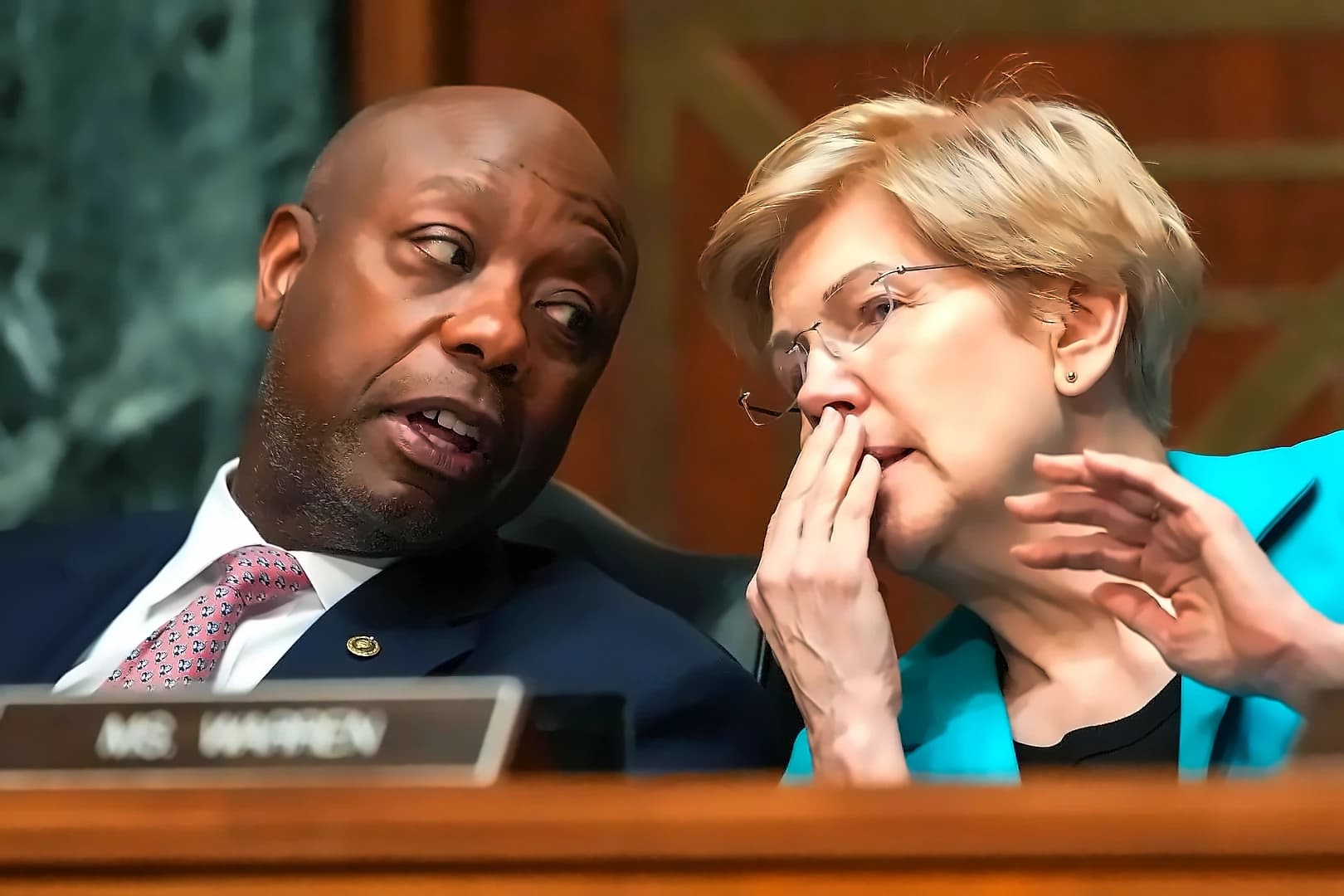
The Senate Banking Committee voted 15-9 on May 14, 2026 to advance the landmark crypto market structure legislation, marking a significant breakthrough after months of tense negotiations. According to The Block, the vote represents the first time the committee has moved the bill forward, with all Republicans on the committee voting in favor and joined by Democrats including Arizona Sen. Ruben Gallego and Maryland Sen. Angela Alsobrooks. The bill would comprehensively regulate the crypto industry at the federal level for the first time, in part through dividing jurisdiction between the Securities and Exchange Commission and the Commodity Futures Trading Commission. As reported by The Block, the vote comes after months of negotiations among the White House, lawmakers, the crypto industry, and bank trade groups, with the House having passed its version last year and the Senate Agriculture Committee advancing its bill without Democratic support in January. Senate Banking Committee Chair Tim Scott emphasized that "This legislation does not take sides between traditional finance and new technology. It brings digital assets out of the shadows and into a system that is safer, fairer and more transparent."
Crypto-linked equities experienced their sharpest single-session gains in months following the committee vote, with Coinbase surging 9.10% to a three-month high, MicroStrategy jumping 8.16%, and Bitcoin ETFs absorbing $131.3 million in net inflows on May 14. According to latest market data, Bitcoin reclaimed the $82,000 level, rising over 3.5% in the last 24 hours before paring gains, providing a bullish catalyst that had been priced in with medium confidence. Coinbase traded in a wide range of $195.10 to $222.35 on the day, with volume reaching 10.31 million shares against a daily average of 9.73 million. Strategy holds 818,869 BTC at an average cost basis of approximately $75,540, with a total portfolio value of roughly $61.86 billion and a BTC yield of 9.4% year-to-date. Robinhood (HOOD) gained over 6% in midday trade, while Circle Internet Group (CRCL) climbed over 2%, with Circle seeing the biggest surge in chatter with over 140% increase in the last 24 hours. XRP outperformed Bitcoin's rally, rising over 4% in the last 24 hours to around $1.48, with retail sentiment around the altcoin trending in 'bullish' territory accompanied by 'high' levels of chatter.
The Digital Asset Clarity Act's SEC-to-CFTC framework triggered a significant short squeeze, with over $250 million in short positions liquidated within four hours following the committee vote. According to market analysis, assets previously tagged as unregistered securities under the SEC's enforcement posture, including tokens on networks with high decentralization scores, were among the most heavily shorted positions in the market heading into the vote. The House version, which passed 294-134 last year, grants the CFTC exclusive jurisdiction over spot digital commodity markets while preserving SEC authority over investment contract assets. The decentralization threshold serves as the operative test, where if a network meets it, the underlying token shifts from the SEC's securities regime to the CFTC's commodity framework. This regulatory clarity has created a structural re-rating in crypto markets, with Bitcoin price already pricing in the vote before the result landed, sitting at $80,500 at press time, and the first meaningful supply ceiling on any continuation move is $85,000.
Akshat Siddhant, Lead quant analyst at Mudrex, noted that Bitcoin briefly crossed $82,000 before stabilising near $81,500, suggesting the regulatory progress could attract fresh institutional capital, especially after the $863 million in outflows from Bitcoin ETFs. According to The Economic Times, Riya Sehgal, Research Analyst at Delta Exchange, said Bitcoin and Ethereum are witnessing a cautious recovery after recent volatility, with macro developments and regulatory optimism driving sentiment. Sehgal also emphasized that improving regulatory clarity, institutional participation narratives, and resilient spot demand continue to support the medium-term outlook for crypto markets despite near-term consolidation. In the past 24 hours, Bitcoin rallied up to 1% while Ethereum was down 0.5% to trade at $2,256 mark, with among the major altcoins BNB, XRP, tron, Hyperliquid gaining up to 16% whereas Solana, Dogecoin and Cardano corrected up to 0.8%. Analysts suggest regulatory progress and strong equity markets could attract institutional capital, potentially pushing Bitcoin towards $85,000.
The committee vote establishes tighter anti-money laundering rules for crypto firms, with crypto exchanges, brokers, and dealers treated as financial institutions under the Bank Secrecy Act. This regulatory framework will subject crypto firms to strict AML regulations similar to banks, requiring identity verification and proper transaction checks. The legislation also creates transparency around AML rules by treating crypto exchanges as financial institutions, bringing them under the same regulatory framework as traditional banks. The bill designates the Commodity Futures Trading Commission (CFTC) as the primary regulator for much of the crypto industry, while the Securities and Exchange Commission (SEC) will continue to oversee digital assets classified as securities. The proposal will now move to the full Senate for debate, with the bill needing 60 votes on the Senate floor, reconciliation with the Senate Agriculture Committee version, and alignment with the House text before reaching the president's desk. Under the Clarity Act, rewards on idle stablecoin balances will be eliminated, though users can still receive rewards for other stablecoin activities such as making payments.