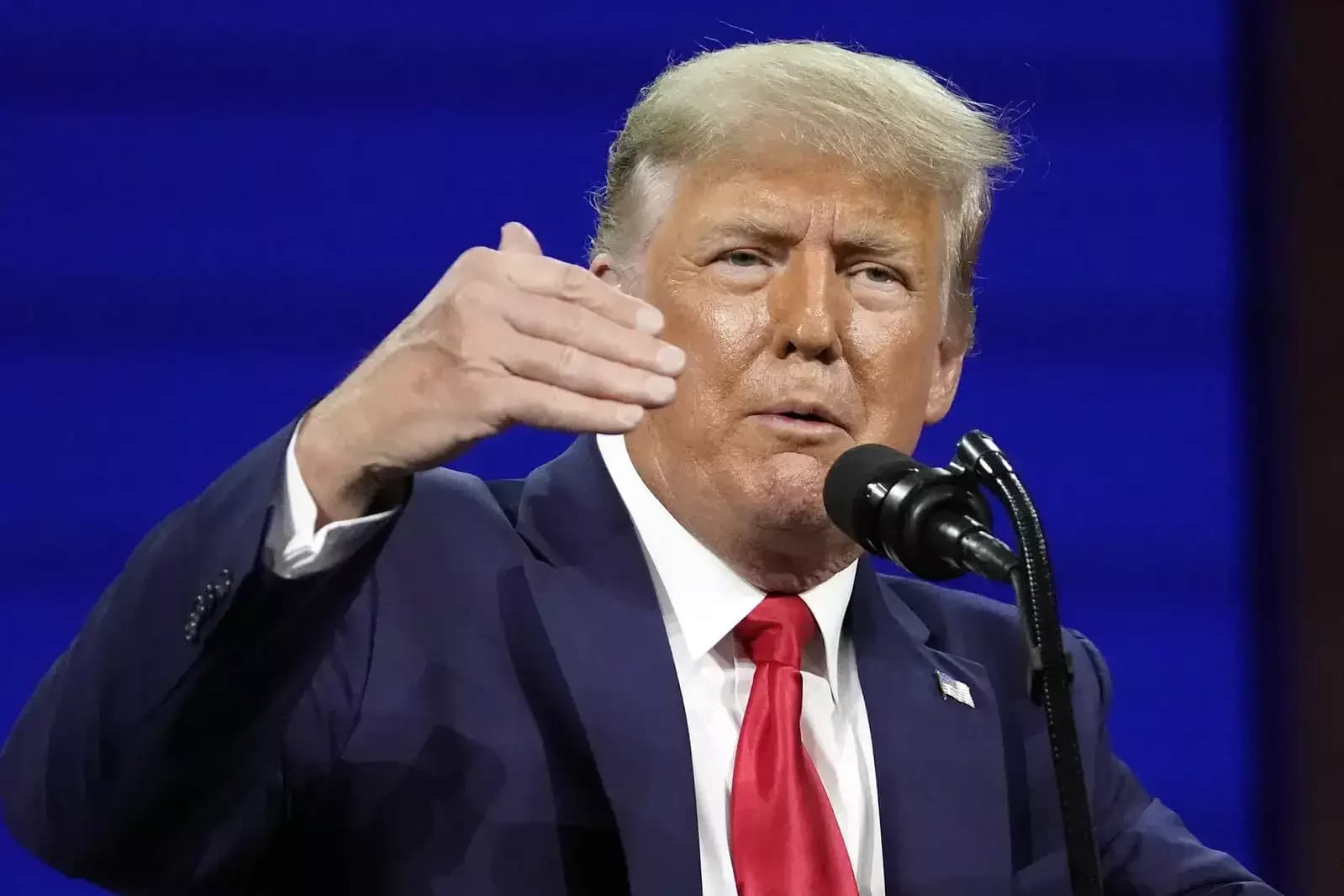
President Donald Trump has declared his support for the Commodity Futures Trading Commission's exclusive authority over prediction markets, stating via his Truth Social that "prediction platforms will thrive" under the CFTC's jurisdiction. Trump emphasized that "states must follow 'rules of the road' that are the Gold Standard for the States" and that other countries are seeking this new form of financial market. The President specifically targeted New York Attorney General Letitia James, Minnesota Governor Tim Walz, Illinois Governor J.B. Pritzker, and Former New Jersey Governor Chris Christie for opposing prediction markets. Trump reiterated that the U.S. is the "Crypto Capital of the World" and his administration won't let other nations threaten America's leadership in the cryptocurrency market, stating "It is a major industry, and we must protect it."
The Clarity Act, which aims to define the US digital asset regulatory framework, has already passed the Senate Banking Committee after several rounds of delay and negotiation, as reported by Huo Xing Finance. The delays largely stemmed from disagreements between banking industry lobby groups and crypto advocates, particularly over issues such as stablecoin rewards and ethical provisions embedded in the bill. During his remarks, Bessent highlighted progress on key digital asset legislation, pointing to the bipartisan passage of the GENIUS stablecoin bill as an example of growing cross-party alignment on crypto regulation. The Treasury Secretary encouraged both chambers of Congress to accelerate work on the Clarity Act, arguing that clearer rules are necessary to bring structure to a sector that has long operated in regulatory uncertainty.
On April 7, 2026, the Financial Crimes Enforcement Network (FinCEN) issued its notice of proposed rulemaking (NPRM) that would revise requirements for anti-money laundering and countering the financing of terrorism (AML/CFT) compliance programs for financial institutions. The proposed rule represents FinCEN's effort to achieve Treasury Secretary Bessent's goal to "make changes to the AML/CFT framework to truly focus on national security priorities and higher-risk areas and explicitly permit financial institutions to de-prioritize lower risks." If adopted as is, the final program rules would become effective 12 months from their date of issuance, with the comment period ending on June 9, 2026. The Federal Deposit Insurance Corporation (FDIC), Office of the Comptroller of the Currency (OCC), and National Credit Union Administration (NCUA) have issued a joint proposed rule that would align with the FinCEN proposed rule, with the Federal Reserve Board of Governors also expected to publish a similar proposed rule.
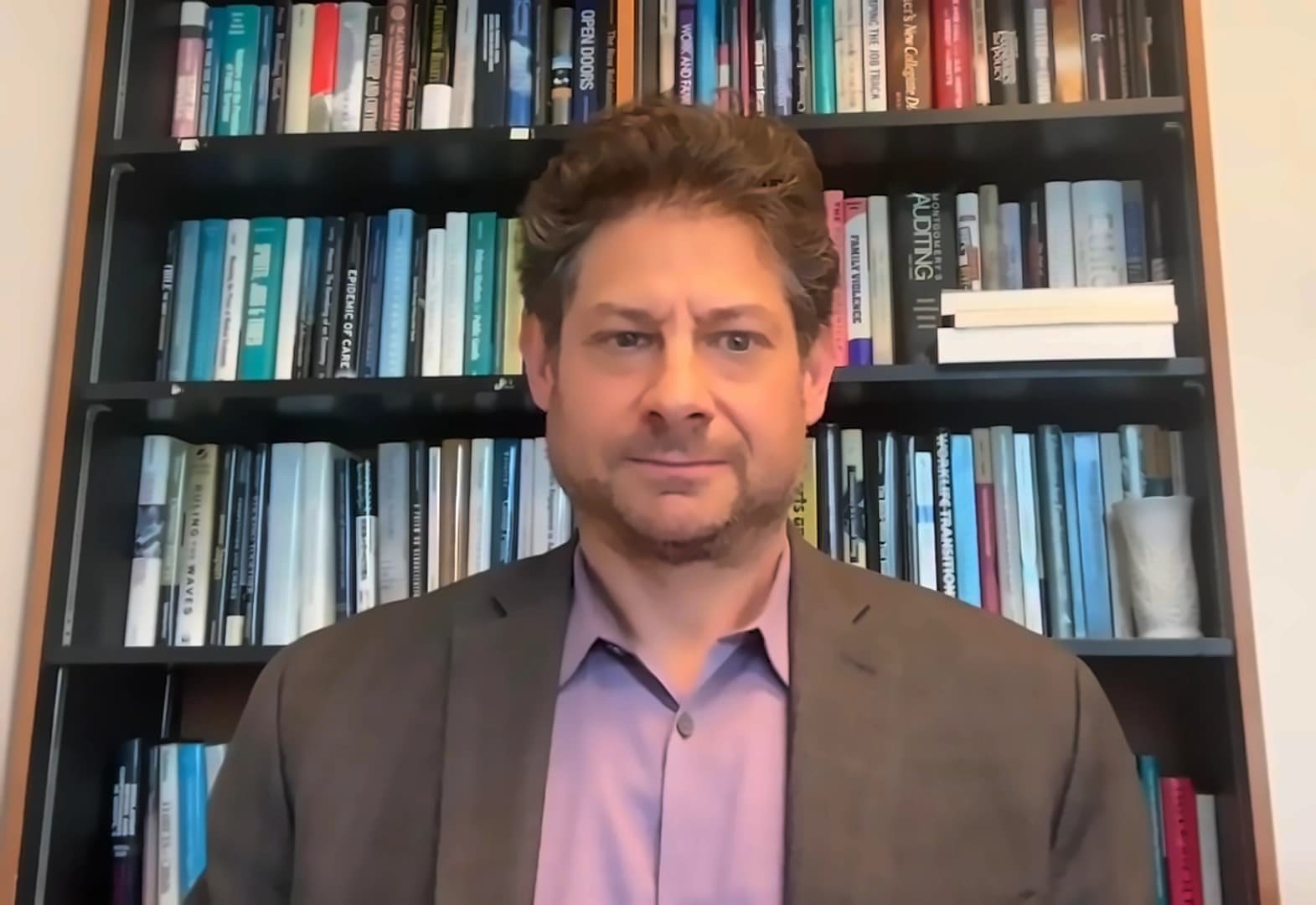
As Congress considers expanding the Commodity Futures Trading Commission's authority over digital assets through the Clarity Act, Brookings fellow Aaron Klein has raised significant concerns about the agency's capacity to handle the increased responsibilities. According to reports from Huo Xing Finance, Klein warned that the CFTC was originally created to oversee commodity futures markets and was not built for the scale of responsibilities envisioned under current crypto legislation. He emphasized that lack of additional personnel, funding, and specialized expertise could lead to a situation of "regulatory authority without substantive oversight."
Klein emphasized that regulatory capacity has been weakened by recent staff departures and organizational changes at the CFTC, as reported by Huo Xing Finance. He cited the Dodd-Frank era as evidence that assigning major responsibilities across multiple regulators can create delays and confusion. The expert argued that fragmented oversight risks repeating past regulatory failures if agencies lack the resources or will to enforce rules, comparing these risks to shortcomings that contributed to past financial crises. If digital asset regulatory responsibilities are fragmented across multiple agencies, delays and confusion may arise, echoing the enforcement shortcomings of the Dodd-Frank era.
Bessent addressed concerns about what he described as the "wild west" nature of parts of the global crypto market, arguing that the lack of consistent regulation has pushed much of the industry activity outside the United States, where oversight standards are weaker and risks are higher. According to Huo Xing Finance, he stated that this offshore concentration creates regulatory blind spots and exposes investors to unnecessary risks, reinforcing the need for comprehensive domestic legislation. Bessent described the current global crypto environment as fragmented, noting that much of the industry activity occurs offshore in jurisdictions with weaker regulatory oversight. Establishing clear US regulations would help shift this activity back onshore and create a more transparent and structured market environment.