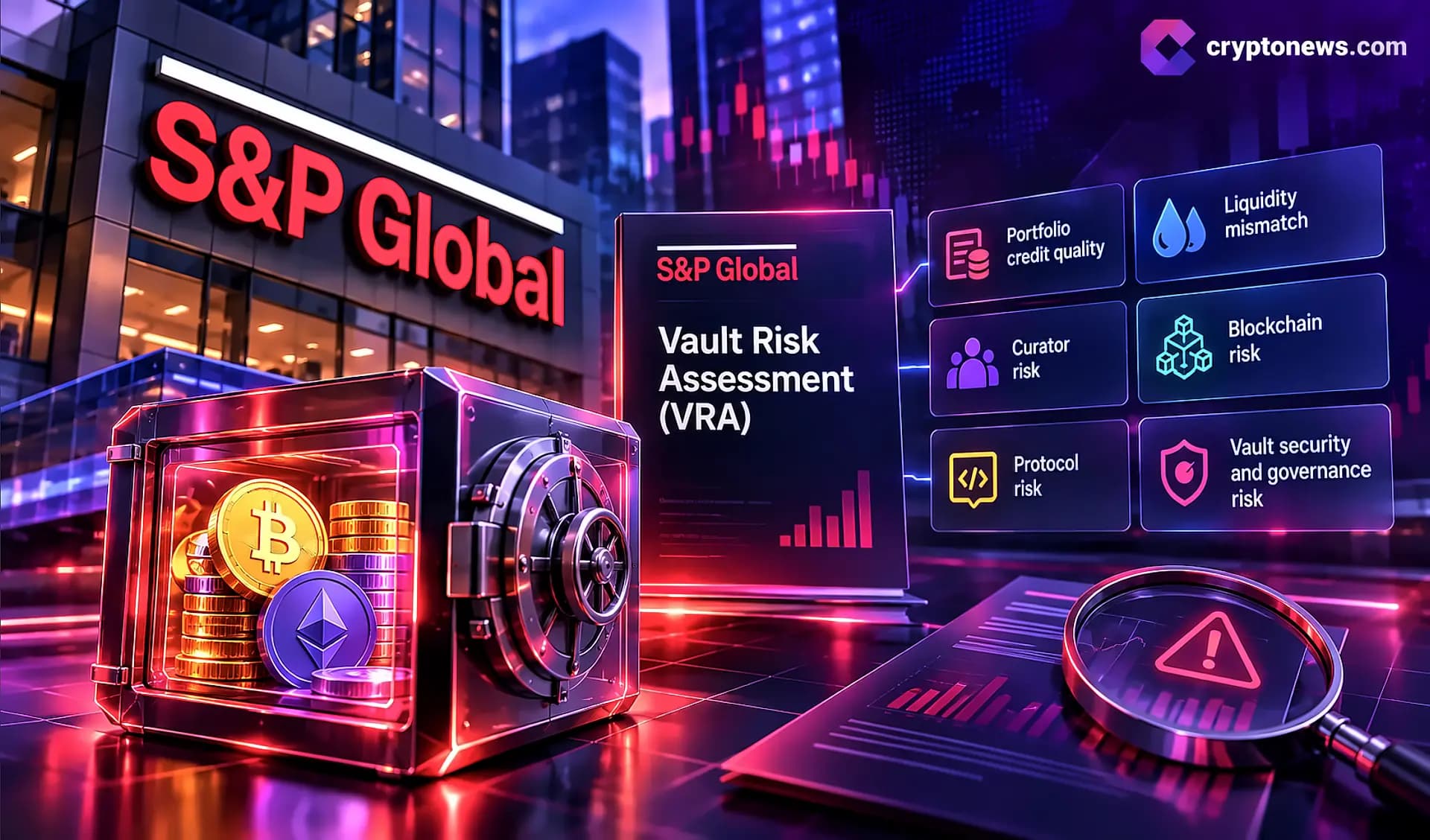
S&P Global Ratings has assigned its highest AAAm principal stability fund rating to BlackRock's $50 million BRSRV on the same day it began operating. According to S&P Global Ratings, the agency based the rating on the creditworthiness of the fund's investments and counterparties, its maturity structure and BlackRock Advisors' policies for maintaining a stable net asset value. S&P identified no weaknesses in its assessment of management, credit research, risk controls and compliance. The rating represents S&P's view that a fixed-income fund has an extremely strong capacity to preserve principal and limit losses arising from credit risk, though it does not guarantee the fund will always maintain its $1 share price.
The BRSRV invests 100% of its assets in cash, U.S. Treasury obligations maturing within 93 days and overnight repurchase agreements secured by Treasury instruments. As per BlackRock, the fund's portfolio must maintain a dollar-weighted average maturity of no more than 60 days and a weighted average life of no more than 120 days. The fund uses a permissioned architecture connected to public blockchains, with transfers limited to approved wallets to reduce cyber, smart contract and blockchain network risks. The minimum initial investment is $3 million, positioning the product for institutional rather than retail use. Securitize acts as the fund's transfer agent and tokenization provider, with investors required to complete identity and anti-money laundering checks before wallet approval.
Both new funds are designed to qualify as eligible reserve assets for permitted U.S. payment stablecoin issuers under the GENIUS Act, as reported by BlackRock. The company filed for these products with the U.S. Securities and Exchange Commission (SEC) in May of this year. However, BlackRock notes that aspects of the GENIUS Act remain unclear and subject to interpretation, with federal regulators developing implementing standards that have not been finalized. Changes in the GENIUS Act or related rules could affect the types of instruments the funds are permitted to hold or the methods by which they implement their investment strategy, potentially requiring the funds to adjust portfolio holdings or modify operational practices. Final eligibility will depend on applicable federal rules rather than BlackRock's stated objective alone.
The launch comes as stablecoins now account for over 14% of the total crypto market, representing $305 billion in capital against a $2.26 trillion market cap. S&P has assessed Tether's USDT at five, or weak, after lowering it from four in November 2025, attributing the downgrade to increased exposure to higher-risk reserve assets. By comparison, USDC, EURC, Global Dollar and Paxos USD hold strong assessments of two. The timing coincides with DeFi TVL already up over 8% in Q3, suggesting fresh stablecoin liquidity could further deepen on-chain activity. BlackRock Chief Financial Officer Martin Small outlined the company's ambition to be the stablecoin reserve manager of choice in the industry, highlighting that the company already manages $60 billion of reserves for Circle, representing about a quarter of the $300 billion stablecoin market.
The launch comes as U.S. money market funds have grown to more than $8.4 trillion in assets, with BlackRock's Cash Management Group currently overseeing approximately $1.1 trillion in cash strategies for corporations, banks, foundations, insurance companies, and public funds. The rating provides an external measure of the fund's portfolio and management controls, but it does not establish demand from stablecoin issuers. BlackRock has not disclosed how many issuers plan to use the fund or how quickly its assets could grow. Future GENIUS Act regulations will determine how tokenized money market funds fit within stablecoin reserve portfolios, with BlackRock having asked the Office of the Comptroller of the Currency to avoid imposing a separate cap on tokenized reserve assets.