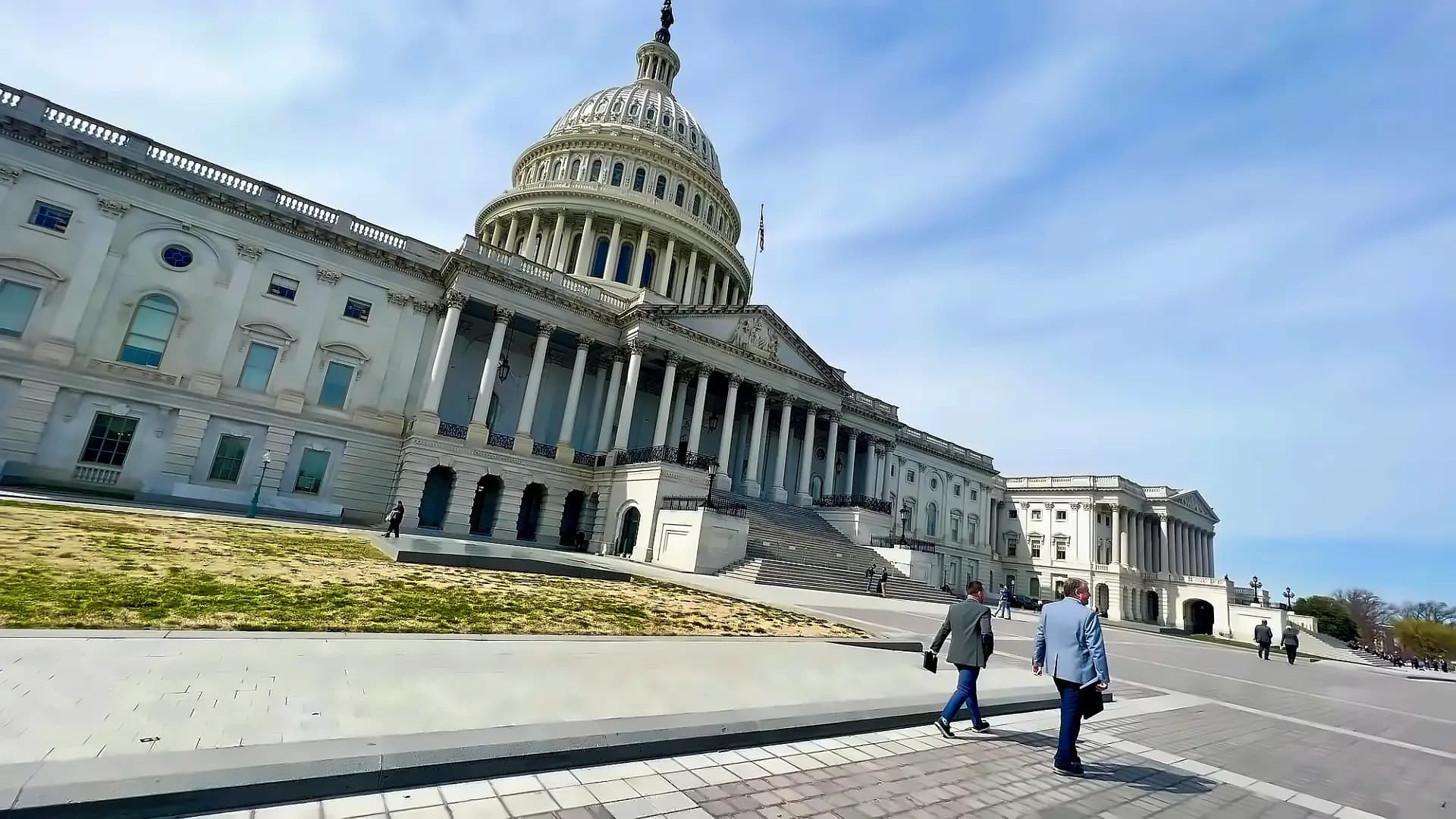
Grayscale Investments has joined Treasury Secretary Scott Bessent in urging the Senate to vote on the CLARITY Act before the August recess, as lawmakers face mounting pressure to resolve disputes holding up the crypto market structure bill. The asset manager sent a letter to senators calling for action on the Digital Asset Market Clarity Act, arguing that hundreds of thousands of Americans hold its digital asset investment products, giving the company and its clients a direct interest in clearer federal rules. According to Grayscale, senators and staff across the aisle have spent months addressing hard questions about jurisdiction, investor protections, and developer safeguards, with the proposed framework seeking to establish a regulatory framework for digital asset markets and clarify the respective responsibilities of the Securities and Exchange Commission and Commodity Futures Trading Commission.
Senators Thom Tillis and Ruben Gallego have submitted a counterproposal to the White House that would allow state authorities to enforce restrictions on federal officials' crypto activities, addressing a key Democratic concern. The revised ethics language would allow state authorities to enforce a ban on federal officials issuing or sponsoring digital tokens, instead of giving the U.S. Attorney General sole enforcement authority. This change addresses the main concern raised by Senate Democrats who argued that leaving enforcement solely to the Department of Justice would not provide enough independent oversight. The proposal comes as Senate negotiators continue seeking enough Democratic support to advance the crypto market structure bill before the August recess, with Sen. Cynthia Lummis noting that lawmakers have "one more week here in Washington" to bring the legislation forward.
Treasury Secretary Scott Bessent has escalated his public pressure campaign on Senate Democrats, posting a lengthy statement on X on July 30, 2026, that quoted Bitcoin's creator to demand immediate action on the CLARITY Act. In what amounted to the most aggressive public pressure campaign from a sitting Treasury Secretary on crypto legislation in recent memory, Bessent closed with Satoshi Nakamoto's dismissal that he had no time to convince those who don't understand. The move followed Bessent's earlier Wall Street Journal op-ed arguing the U.S. risks forfeiting its role as a global financial leader if Congress fails to act. Bessent accused Senate Democrats of delaying the measure under pressure from Sen. Elizabeth Warren and other crypto critics, adding support from the Trump administration as negotiators worked to resolve remaining disagreements.
Grayscale's endorsement adds significant institutional weight to the growing coalition backing federal crypto legislation, joining the world's largest asset manager, BlackRock Inc., investment giant Fidelity Investments, and global investment banking leader Goldman Sachs Group Inc., all of which have publicly backed the CLARITY Act. The asset manager argued that crypto businesses, developers and investors need stable rules instead of relying on enforcement actions and agency guidance that can change between administrations. According to Grayscale, clearer asset classifications and trading rules could affect the development of exchange-traded funds, exchange-traded products and other vehicles available to U.S. investors. The company warned that prolonged uncertainty could push digital asset investment and technical talent toward jurisdictions with more predictable regulations, citing Singapore and Abu Dhabi as markets with clearer frameworks for crypto businesses.

Polymarket traders place the bill's chance of becoming law in 2026 at about 26%, with roughly $3 million wagered on the outcome. The odds had reached 82% in February before falling as negotiations stalled and the Senate calendar tightened. Bitcoin traded near $64,767 after moving between $63,252 and $65,040 during the day, with the muted response indicating that traders are not yet treating the escalated pressure campaign as evidence that passage is secured. The House passed its version of the CLARITY Act by a 294–134 vote in July 2025, with 78 Democrats supporting the legislation, meaning the bill would likely need support from at least seven Democrats if every Republican voted in favor. Failure to act before the recess would push the debate further into the legislative calendar, where other spending and policy deadlines could make floor time harder to secure.