President Trump faces a critical deadline under the War Powers Resolution to end military operations in Iran, adding urgency to the ongoing geopolitical crisis. According to latest reports, this deadline creates additional pressure on Bitcoin traders who have been navigating significant volatility over the past four weeks as Trump's shifting rhetoric creates market whipsaw effects. The situation has become particularly challenging as Iran declares the Strait of Hormuz 'closed forever,' while analysts throw out wildly bullish and bearish oil targets. Traders are struggling to navigate this choppy environment, with the fate of risk assets potentially hinging on the next couple of weeks as the military timeline becomes more constrained.
The International Energy Agency's coordinated strategic stock release of 426 million barrels has been offsetting a supply shortfall of 4.5 to 5 million barrels per day since the Iran war began on February 28. As reported by CoinDesk, these emergency reserves are expected to hit exhaustion within the next couple of weeks, potentially doubling the deficit to 10 to 11 million barrels per day. The House of Saud described this as 'a shock of unprecedented scale with no obvious buffer left to absorb it.' This crisis could trigger massive risk aversion across both crypto and traditional financial markets regardless of Trump's military actions, particularly as the War Powers Resolution deadline approaches.
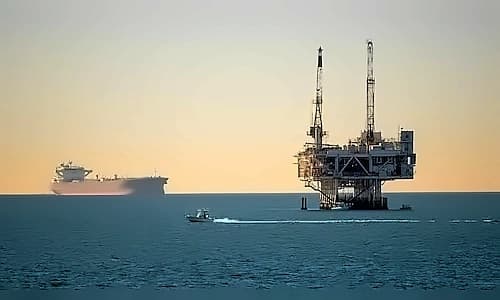
Ship insurance premiums for Strait of Hormuz navigation have increased dramatically, with rates jumping from less than 1% of ship's value before the war to as high as 7.5% per trip. According to CoinDesk reports, this means a $100 million ship now pays around $2-3 million in insurance versus $250,000 before the conflict. When premiums drop below 2%, that represents the clearest sign the route is genuinely safer and markets can take risk again. No political statement can replicate the certainty embedded in these insurance price signals, making the current elevated premiums a key indicator of ongoing geopolitical tensions.
Despite Trump's suggestions that passage through the Strait of Hormuz can be secured, tanker traffic has not returned to normal volumes. As reported by S&P Global Market Intelligence via CoinDesk, only 21 tankers have transited Hormuz since the war began, compared with more than 100 ships daily before the conflict. A sustainable rally in risk assets requires this number to pick up materially, and until then, Trump's market-calming attempts are likely to be short-lived. The Strait handles roughly 20% of the world's seaborne oil trade, making the current traffic levels a critical indicator of global energy supply chain stability.