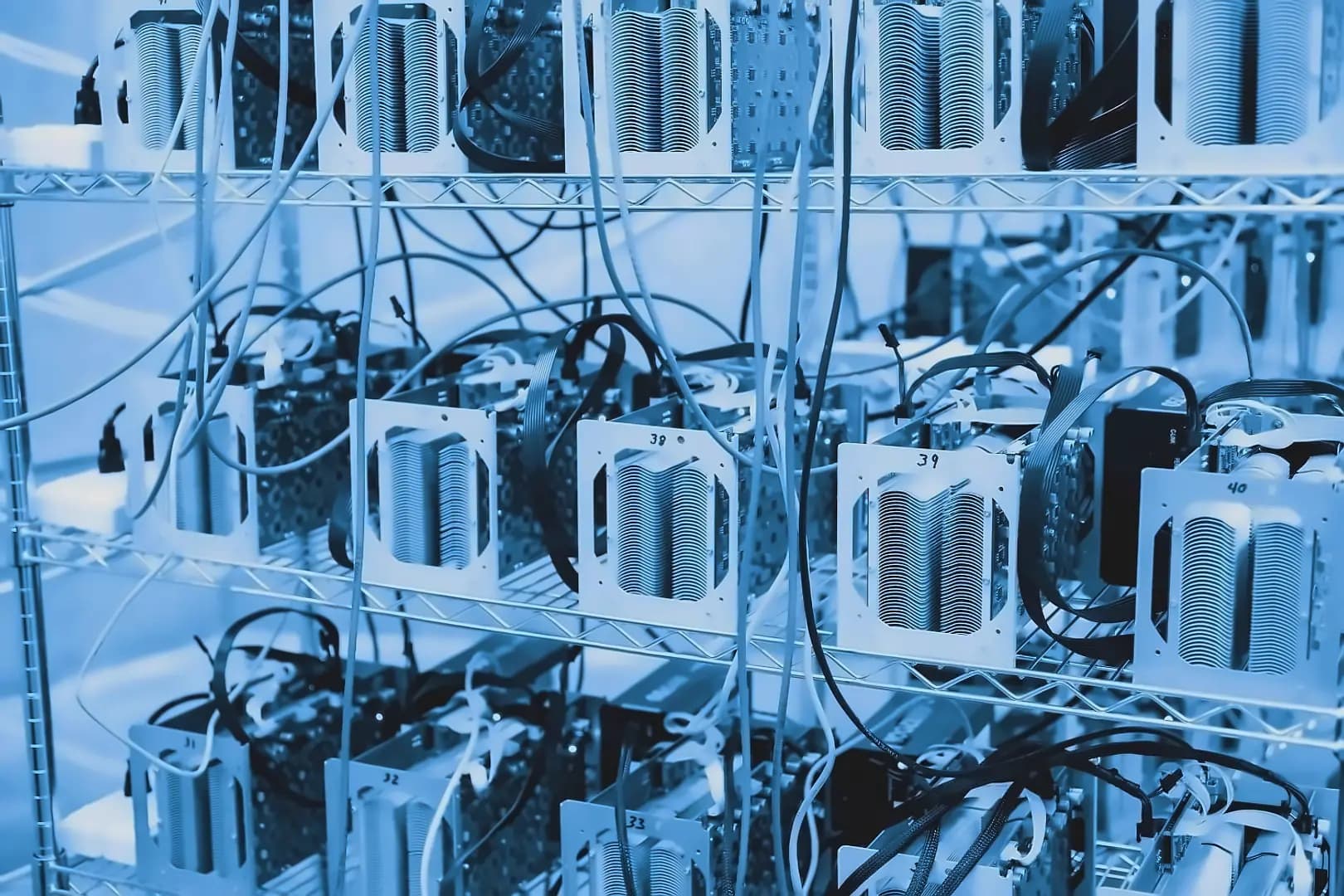


Seven of the world's largest bitcoin mining pools have agreed to adopt the Stratum V2 protocol, marking the biggest decentralization shift in mining in years. According to reports from Hashrate Index, the pools include Foundry (34.2% global hashrate), AntPool (14.2%), F2Pool (11.3%), SpiderPool (10.5%), MARA Pool (4.7%), Block Inc, and DMND. Together, these seven pools now represent close to 75% of all bitcoin hashrate, representing the largest consensus among major mining operations in recent years.
The current mining landscape represents a dramatic evolution from Bitcoin's early GPU era, which transformed the network from a hobby into a global computational utility. As reported by Hashrate Index, the network's daily hashrate rose from effectively 0 TH/s in 2009 to 0.024 TH/s by late 2010, marking the definitive beginning of the GPU era. This transition was driven by specific graphics cards, with the AMD Radeon HD 5870 and Nvidia GeForce GTX 295 becoming the workhorses that dramatically outperformed CPUs. The GPU era unleashed unprecedented hashrate expansion, with the network's daily hashrate growing at an annual rate exceeding 52,000% in 2011, fundamentally scaling the network's security and computational power.
The Stratum V2 protocol introduces a fundamental change by allowing individual miners to construct their own block templates, meaning the choice of which transactions get included in each new block sits with the miner rather than whoever operates the pool. As reported by Hashrate Index, this addresses long-standing concerns about centralized control over transaction selection that has been the loudest structural concern about modern mining for the past two years. Under the current Stratum V1 standard, transaction selection for nearly every new block sits with pool operators, creating concentration risks that the Bitcoin community has identified as problematic.
The timing of this protocol adoption coincides with challenging market conditions for miners. According to CoinShares, up to 20% of miners are currently unprofitable, with hashprice (revenue per unit of computing power) sitting at $38.57 per petahash per second per day, at or near breakeven for operators running mid-generation hardware. Additionally, network difficulty is set to rise again on May 15 from 132.47T to 135.64T, per CoinWarz, while network hashrate currently sits at 998 exahash per second. The immediate market impact of the GPU era was a surge in miner profitability and competition, with the massive influx of GPU power driving up network difficulty and making solo mining unprofitable.
The mining landscape has experienced a fundamental transformation in its relationship with Bitcoin price appreciation. As reported by Hashrate Index, the long-term hash rate-price correlation, which was stable at 0.94 from 2009-2014, turned negative, settling at -0.66 by July 2025. This structural shift signals that the network's security growth is no longer a simple proxy for rising demand, reflecting a mature, capital-intensive industry where mining activity is driven by different economic incentives. The price-to-hash rate ratio peaked at $11.55 in September 2010 and has since collapsed into ultra-low values, demonstrating that securing the network now requires massive, dedicated investment.