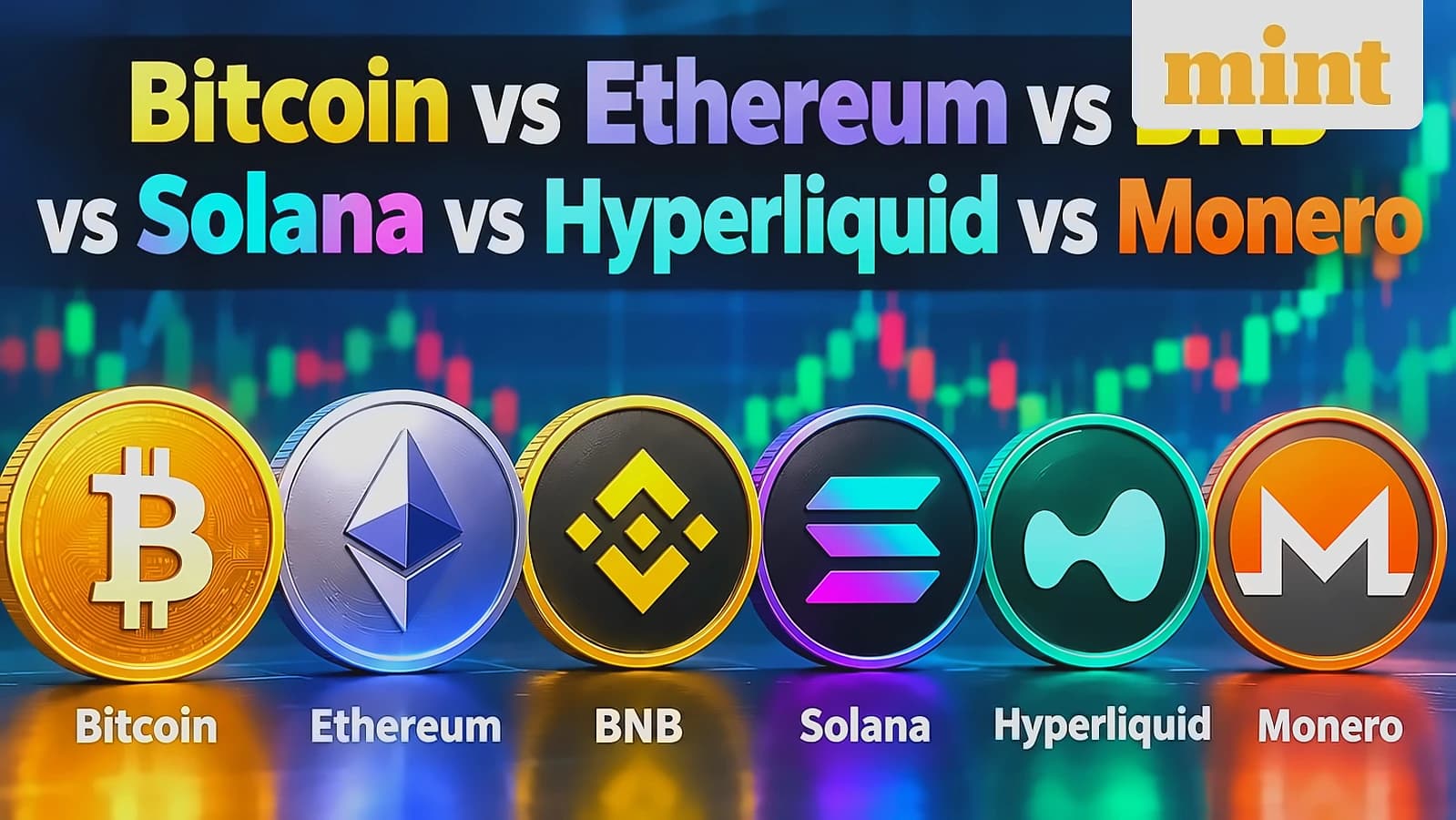
Bitcoin's price has crossed the $81,000 milestone for the first time since late January, representing a significant breakthrough in the current market cycle. The latest data shows network activity recovering from concerning lows, with 531,000 daily active addresses and 203,000 new wallets being created each day, according to Santiment data. This represents a two-year low recovery, though the network remains below historical participation levels. The price spiked from $78,000 to the psychologically significant $80,000 mark over the weekend, demonstrating resilience against massive profit-taking from veteran investors. However, recent Santiment data shows declining on-chain engagement even as price moved higher, suggesting the rally lacks support from new entrants.

Whale wallets have emerged as the most significant bullish signal, with whale wallets holding 1-10,000 BTC tokens purchasing 50,000 BTC in April, representing an investment of approximately $3.75 billion. According to Santiment data, wallets holding between 100-1,000 tokens have been the primary buyers, with this activity indicating that deep-pocketed players are convinced they have reached a cycle bottom. Paired with higher ETF inflows, it appears that investors' risk appetite is rising, though at a relatively slow pace. The Crypto Fear and Greed Index dropped from 62 (Greed) to 41 (Neutral), indicating that while sentiment has soured, it remains above the record low of 5, suggesting cautious optimism among investors.
Spot Bitcoin ETFs have emerged as the primary engine absorbing the current profit-taking wave, with over $1.1 billion in fresh capital attracted in just the first two trading days of May. BlackRock's iShares Bitcoin Trust (IBIT) led with more than $600 million of those inflows alone, according to SoSoValue data. The institutional footprint is radically altering the supply-and-demand calculus, with institutional buyers currently absorbing more than 500% of the newly minted Bitcoin supply generated daily by miners. As Charles Edwards from Capriole Investments noted, historical precedents for this level of supply absorption have yielded average returns of 24% over the subsequent month, potentially propelling Bitcoin toward the $96,000 mark by June. CoinShares data indicates combined assets under management for Bitcoin and Ethereum exchange-traded products reached $147 billion, showing institutional demand remained focused on major assets while altcoins lagged.
Bitcoin's dominance has reached unprecedented levels, with the asset's share of the total crypto market cap hitting 60.66%, marking its highest level since April 2021. This represents a breakout from an eight-month accumulation range and indicates that capital continues flowing into Bitcoin while altcoins get passed over. The Altcoin Season Index currently reads 37 out of 100, well below the 75 threshold that signals altseason, with only 44 of the top 100 altcoins outperforming Bitcoin across the 90-day window. Bitcoin ETFs pulled in $1.97 billion in net inflows during April—the strongest monthly total of 2026—and have now strung together five consecutive weeks of inflows. Every dollar going into a spot Bitcoin ETF is a dollar that didn't go to ETH, XRP, or the altcoins that would normally benefit from capital rotation.
Despite Bitcoin's rally, XRP continues to underperform, trading at $1.41 with only 1.2% daily gains and 2.7% weekly gains against Bitcoin's 7.2% weekly rally. This represents roughly 37% capture on a weekly basis—well below what XRP's higher volatility usually delivers during Bitcoin rallies. The 90-day correlation between the two coins is around 0.63, but XRP typically follows Bitcoin's direction with the size of the move depending on whether XRP has its own catalyst. However, XRP faces significant structural challenges, with around 36.8 billion XRP—roughly 60% of the circulating supply—held at a cost basis between $1.44 and $1.45 per Glassnode data. Every time XRP rallies toward those levels, sellers step in trying to break even on positions held for months, creating a supply wall that prevents price breakouts. New capital coming into XRP from outside the existing holder base has been thin all year, with Alphractal's Delta Growth Rate at -111.7 on a 365-day moving average, leaving XRP dependent on its existing holders to drive price moves higher.