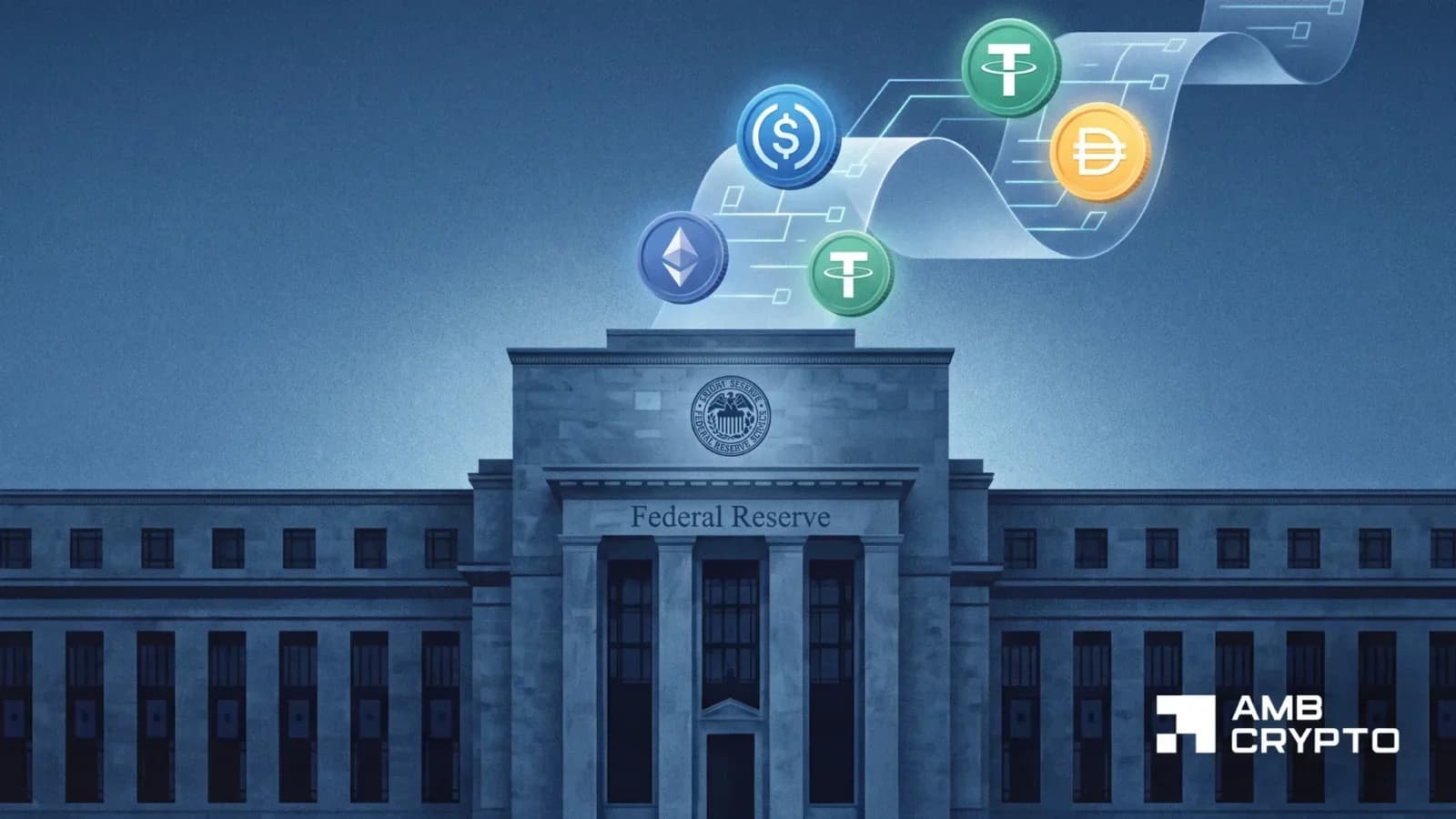
U.S. regulators have proposed requiring certain payment stablecoin issuers to maintain customer identification programs similar to those used by banks and credit unions. The Federal Reserve Board announced Thursday that it is seeking public comment on a joint proposal issued alongside the Financial Crimes Enforcement Network, the Federal Deposit Insurance Corporation, the Office of the Comptroller of the Currency, and the National Credit Union Administration. An 117-page notice published by the agencies said the rule would implement provisions of the Guiding and Establishing National Innovation for U.S. Stablecoins Act (GENIUS Act) and formally treat permitted payment stablecoin issuers as financial institutions under the Bank Secrecy Act. Comments on the proposal will be accepted for 60 days after publication in the Federal Register, as reported by The Block.
The proposed rule would require permitted payment stablecoin issuers to collect and verify customer information before opening an account relationship. Required information would generally include a customer's name, address, date of birth or formation, and identification number. The proposal requires issuers to adopt risk-based procedures designed to establish a reasonable belief that they know the true identity of each customer. Regulators said those procedures should take into account an issuer's size, business model, customer base, account types, and methods used to open accounts. NCUA Chairman Kyle Hauptman stated that this represents the next step to ensure that permitted payment stablecoin issuers are fully integrated into Bank Secrecy Act regulations, mirroring existing customer identification requirements used by credit unions and setting standards for identifying and verifying account holders. The 130-page proposal includes specific requirements that must include reasonable procedures for: (1) verifying the identity of any person seeking to open an account to the extent reasonable and practicable; (2) maintaining records of the information used to verify a person's identity, including name, address, and other identifying information; and (3) determining whether the person appears on any lists of known or suspected terrorists or terrorist organizations provided to the financial institution by any government agency.
The proposed rule draws a distinction between direct dealings with a stablecoin issuer and transactions that occur elsewhere in the market. Customer identification requirements would apply when a user establishes a formal relationship with a permitted payment stablecoin issuer through activities such as issuance, redemption, custody, reserve management, or other authorized services. The agencies also proposed that simply holding or transferring a payment stablecoin would not create an account relationship with the issuer. The document states that secondary market activity, including transfers between users and transactions conducted through intermediaries, generally would not trigger customer identification obligations for the stablecoin issuer. However, the 130-page proposal poses critical questions about extending these requirements: "Should any CIP requirement be extended to secondary market activity? If yes, in what circumstances? What would be the benefits and drawbacks of doing so?" Fed Governor Michael Barr expressed particular concern about these gaps, stating he remains "concerned that the GENIUS Act regulatory framework does not do enough so far to address the risks of illicit finance conducted through secondary market transactions in payment stablecoins." He noted that while some digital asset service providers are subject to anti-money laundering requirements in their home jurisdiction, it is "far too easy for bad actors to evade these restrictions and operate without detection when transacting in digital assets."
A bipartisan group of senators led by Sen. Cynthia Lummis, chair of the Senate Banking Committee's crypto subcommittee, has pressed the Treasury Department to preserve states' ability to regulate stablecoins as it writes rules implementing the GENIUS Act. The latest letter was sent on June 16 to Treasury Secretary Scott Bessent, emphasizing the need to maintain state regulatory flexibility in the stablecoin framework. The letter was signed by fellow Republicans and Democrats, including Angela Alsobrooks, Catherine Cortez Masto, Bill Hagerty, Kevin Cramer, Pete Ricketts, and Kirsten Gillibrand, highlighting the bipartisan support for state involvement in stablecoin regulation. As reported by The Block, the senators specifically asked Treasury to issue guidance clarifying the application, review, and certification process for state regimes, noting that Treasury's proposed principles for assessing whether state regimes are substantially similar to the federal regulatory framework are critical in this process.

The GENIUS Act, which President Trump signed into law, created a federal regulatory framework for stablecoins requiring them to be fully backed by U.S. dollars or similarly liquid assets. As reported by The Block, one section of the bill allows stablecoin issuers with $10 billion or less to be regulated by states as long as that state's rules are "substantially similar" to federal provisions. Some states, including New York, have already developed comprehensive digital asset and stablecoin rules over the years. The customer identification proposal states that its requirements would apply not only to federally supervised issuers but also to stablecoin issuers operating under eligible state frameworks established under the law. The Treasury's Financial Crimes Enforcement Network (FinCEN) has pursued its own related rule to apply the GENIUS Act anti-money laundering provisions on issuers, adding another layer of regulatory oversight to the framework.
This latest proposal represents the "notice of proposed rulemaking" stage, which follows a September preliminary document that received 450 comments from stakeholders. The agencies emphasized that "States must be able to develop and seek certification of stablecoin regulatory regimes as demand for these charters materializes and as legislative schedules permit." The Fed opened a 60-day public comment period alongside the other agencies in the joint effort. The proposal comes as the industry sees widespread growth and experimentation, with traditional firms pushing into the stablecoin market alongside crypto-native firms such as Tether (with its USDT) and Circle (with its USDC). While regulated issuers of stablecoins, known as "permitted payment stablecoin issuers" or PPSIs, are standing by as the U.S. financial agencies work through the lengthy implementation process, the competition in the field has been fierce. The agencies noted that treating every stablecoin holder or blockchain transaction as a direct customer relationship would be difficult to implement and could undermine the practical operation of stablecoin networks.