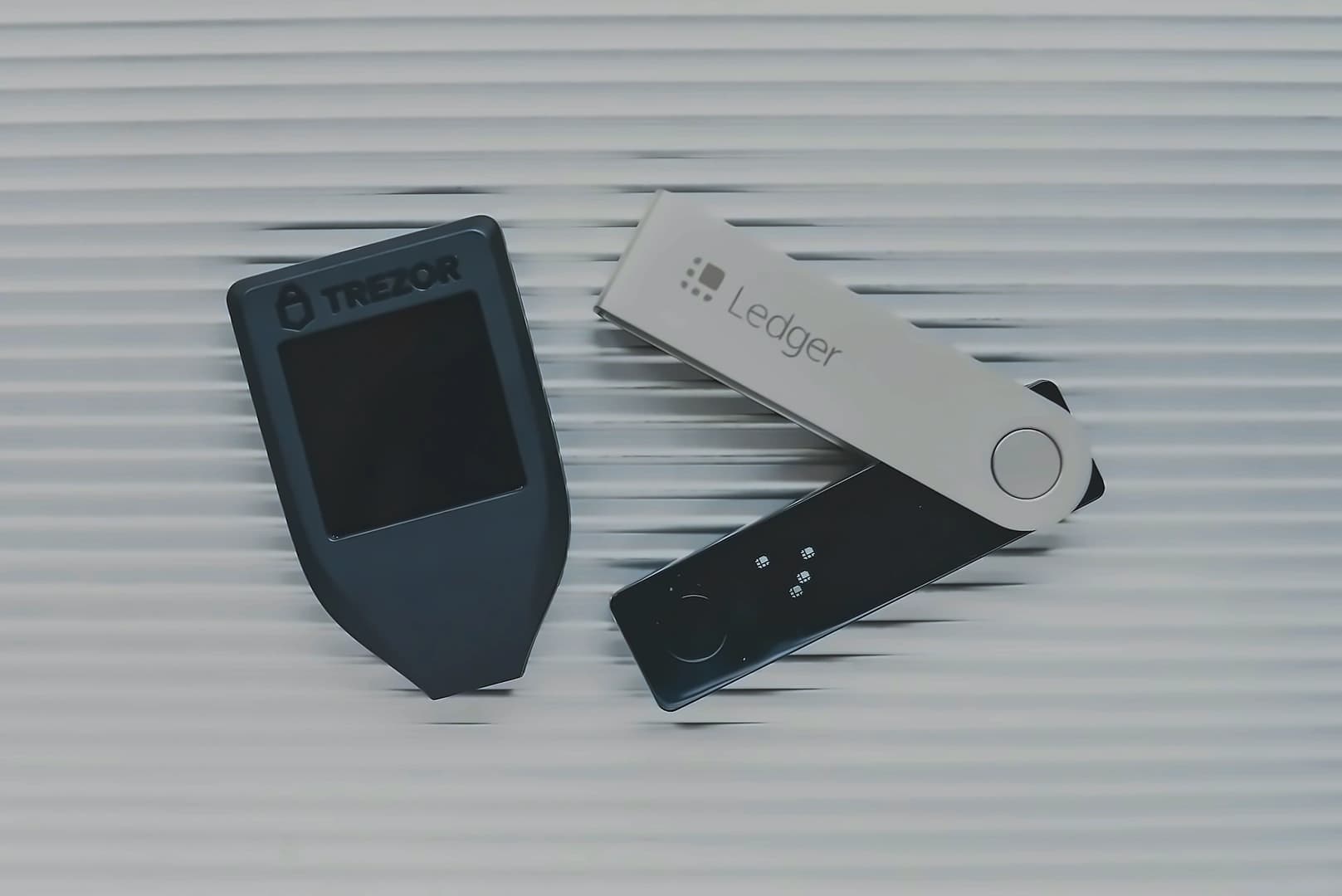
Bitcoin Improvement Proposal 110 activation has been paused indefinitely following the discovery of a critical security flaw in Coinkite's Coldcard wallet. As reported by CoinDesk, Udi Wertheimer announced the delay, urging anyone running BIP-110 software to switch back to a normal Bitcoin node, with no new activation date announced. The delay stems from a Coldcard wallet flaw disclosed on July 30, which used only 72 bits of randomness instead of the promised 128 bits for seed phrases, making wallets vastly easier to guess and leaving user funds vulnerable to theft. Thieves had already drained wallets tied to the flaw, though Coinkite has not disclosed the total amount lost.
Bitcoin Improvement Proposal 110 has failed to achieve its 2.54% voluntary threshold during the current difficulty period, with 30 signaling blocks appearing among 1,068 total blocks as of the latest data. As reported by CoinDesk, this represents 2.63% support, which is still more than 20 times short of the required 55% threshold needed for activation. The proposal requires 1,109 signaling blocks within a 2,016-block difficulty period to voluntarily lock in, but even with all remaining blocks signaling, the total could reach only 48%, making the threshold mathematically unreachable. All 30 signaling blocks originated from miners using the DATUM system while sharing rewards through OCEAN's system, with every signal coming from DATUM miners.
All 30 signaling blocks originated from miners using the DATUM system while sharing rewards through OCEAN's system, as confirmed by recent analysis. According to Strategy, Saylor counted 24 signaling blocks among 946 total blocks at block 960,561, with every signal coming from DATUM miners. The official BIP-110 installation guide directs users toward Bitcoin Knots and includes instructions for pointing rented hashpower at a DATUM node, while OCEAN's DATUM documentation confirms the technical relationship between the systems. The Coldcard wallet flaw has not affected the technical relationship between the systems, as the vulnerability lies in Coldcard's seed phrase generation process rather than the DATUM protocol itself.
The current voluntary period ends at block 961,631, after which mandatory signaling begins from block 961,632 through block 963,647. As reported by Strategy, software enforcing BIP-110 is designed to reject every block that does not signal bit 4 during this mandatory window. The proposal would then lock in at block 963,648 and activate at block 965,664, implementing transaction restrictions for 52,416 blocks. However, the recent delay means this second phase will not proceed as scheduled, with 948 blocks remaining in the current period. Wertheimer called the delay a matter of timing rather than doubt, emphasizing that no one owns Bitcoin's rules and that operators' decisions to listen to warnings will reveal more about BIP-110's actual support than any vote counter.

Saylor and Blockstream co-founder Adam Back have warned that enforcing BIP-110 without broad agreement could divide the network. According to Strategy, the proposal faces criticism from supporters who argue that consensus rules should not determine which currently valid transaction structures deserve block space. The next decisive evidence would have come from major mining pools, exchanges, wallets and node operators before the mandatory period started. Foundry USA Pool had separately asked mining customers to vote on whether the pool should signal, with its voting window scheduled to close near block 961,632. The recent Coldcard wallet flaw has intensified these concerns, with Back flagging the 55% bar as too low to be safe for network stability.