A critical firmware flaw in Coldcard hardware wallets has exposed approximately $116 million worth of Bitcoin to theft, affecting more than 5,200 addresses according to blockchain intelligence firm TRM Labs. The vulnerability, which remained undisclosed for over five years, caused affected devices to use a predictable software random-number generator instead of the intended hardware source while creating wallet seeds. Firmware versions 4.0.1 through 4.1.9 on Coldcard Mk2 and Mk3 devices were affected, with seeds containing only 40 bits of entropy instead of the promised 128 bits. As per TRM Labs, attackers could reconstruct affected private keys without opening, stealing, or modifying the hardware wallets, with the first vulnerable release arriving in March 2021.
Russian consumers' demand for hardware crypto wallets more than doubled in the first half of 2026, according to data from two major retailers. Retailer M.Video reported that unit sales on its marketplace rose 107% in the second quarter from the first quarter, while sales by value increased 92%. Wildberries also recorded higher demand, with unit sales rising 84% in the first half from a year earlier, as reported by RIA Novosti, citing RWB, the marketplace's parent company. Sales value increased 60% over the period. The surge comes amid growing awareness of security vulnerabilities in the crypto space, with retail investor activity in the Bitcoin network reaching a four-year high and about $9 billion in bitcoin transferred to exchanges and new addresses. As per recent reports, this surge coincides with a 10% increase in Bitcoin mining profitability over the month, though mining costs still exceed market prices.
The retail surge coincided with notable price adjustments in the hardware wallet segment. Wildberries' average price for hardware wallets fell 13% to 7,900 rubles, while M.Video broadened its range of products, though neither retailer identified the driving force behind the renewed demand. The comparisons cover different periods: M.Video measured Q2 against Q1, while Wildberries compared H1 with the same period of 2025. Neither company released unit totals for their respective sales figures.
According to TEXITcoin founder Bobby Gray, users who added independent dice-generated entropy were not affected by the reported attacks. Users who entered at least 50 fair, private, and independent dice rolls while creating their seed are not considered at risk from the random-number-generator flaw alone, with between 50 and 98 rolls adding at least 128 bits of entropy, while 99 or more added about 256 bits. Gray emphasized that the incident should not be treated as evidence that centralized custody is safer, arguing that "blind trust is what failed here, and self-custody is taking the blame it doesn't deserve." He rejected the idea that moving to exchanges resolves the problem, stating that "running back to an exchange because a device let you down isn't a solution either, since that's just handing your risk, and your keys, to someone else to lose instead."
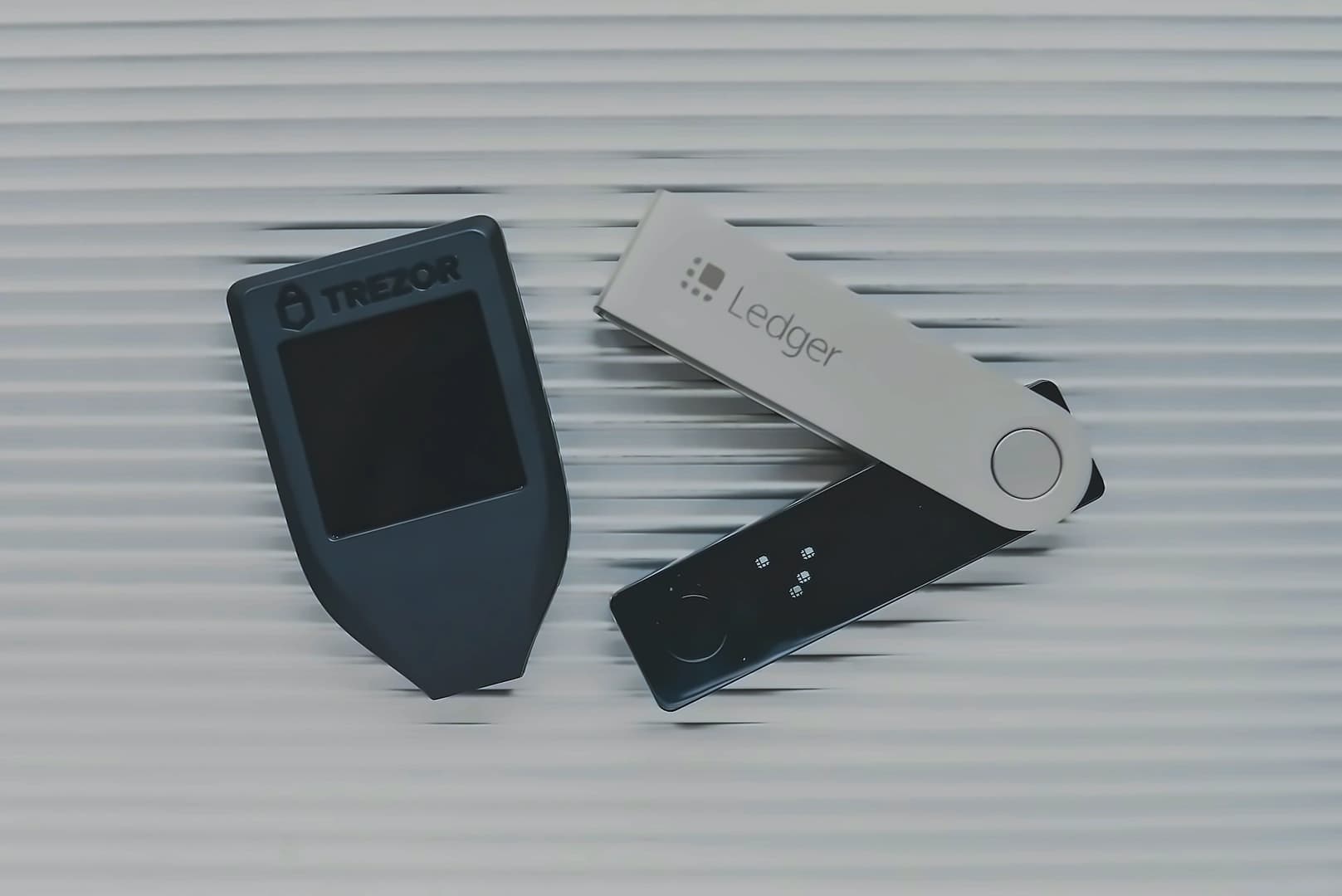
The increase in wallet sales comes before Russia's broader crypto regime takes effect September 1, 2026. According to the Bank of Russia, the framework will allow regulated exchanges and digital depositories, while letting some retail investors buy liquid cryptocurrencies after testing and within a 300,000-ruble annual cap per intermediary. After July 1, 2027, crypto transactions must go through regulated entities, and banks must refuse to process transactions outside that framework. Russian law currently does not ban non-custodial wallets, though it bars withdrawals from Russian digital depositories to personal wallets. Recent reports indicate that the FBI reported a major operation against scam factories, with FBI chief Kash Patel emphasizing that the agency is now targeting the destruction of entire criminal networks rather than just individual scammers.