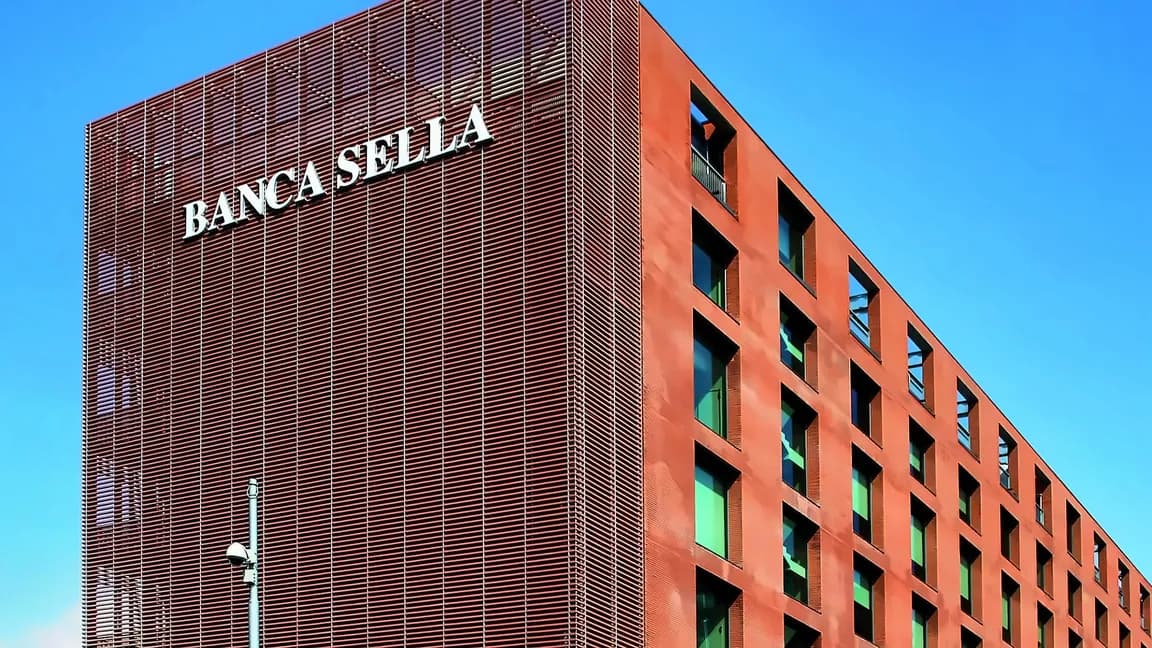
Banca Sella has achieved a historic milestone by becoming the first bank in Italy authorized to offer crypto-asset services under the European Union's Markets in Crypto-Assets (MiCA) regulation. According to the bank's announcement, it has completed its notification process with the Bank of Italy, marking a significant regulatory achievement for Italy's banking sector. The approval provides Italy's banking industry with a regulated entry point into digital assets under MiCA, as European financial institutions move from crypto pilots and partnerships toward licensed custody, tokenized payments and stablecoin infrastructure.
The planned rollout will focus on selected categories of customers rather than broad retail trading, with the service launching in 2026. As reported by Banca Sella, the bank expects to launch the solution focused on custody, transfer and receipt of digital assets. The approval covers holding crypto assets for clients and moving them between approved accounts, though the bank has not announced plans to offer direct crypto buying or selling, separating the service from a full exchange platform. The bank's Managing Director of Digital Banking, Andrea Tessera, described the approval as contributing to a shift toward "instant, interoperable, and programmable" payments through tokenization.

Banca Sella's MiCA approval follows its participation in a distributed ledger technology pilot promoted by the Bank of Italy's Fintech Milano Hub in 2022. The bank has also created an internal DLT and digital assets team to support its crypto initiatives. According to Sella Group, the bank operates almost 300 branches and more than 2,400 employees. The service could make Banca Sella one of Italy's early banking examples under MiCA, potentially guiding how other banks approach digital asset custody and tokenized financial services.
Banca Sella's move reflects a practical shift among European banks toward digital assets, with many lenders building custody, settlement, and token infrastructure while avoiding speculative trading products. The bank is also linked to wider European stablecoin work, being a founding member of Qivalis, a consortium of 37 European banks that plans to issue a euro-denominated stablecoin. This involvement suggests the bank's crypto strategy is part of a broader European lender movement to prepare for tokenized money and digital settlement, with the bank previously having crypto exposure through Hype, its digital banking brand, which integrated Bitcoin wallet services through Italian crypto firm Conio.