Bitcoin has fallen to approximately $60,200, marking its lowest level since September 2024 and representing a 53% decline from its October 2025 record of $126,080. The cryptocurrency had traded above $61,800 earlier in the session before the price decline accelerated, with the token changing hands near $60,200 at the time of writing. The current decline contradicts the popular 'max pain' theory that prices gravitate toward the level where options buyers lose the most, as the current max pain level for Friday's expiry stands at $70,000, significantly above spot prices of around $60,000. The price keeps tapping the $63,830 support zone as a $10.63 billion combined Bitcoin and Ethereum options expiry lands on Friday, with roughly 80% of those contracts sitting out of the money.
Bitcoin is heading into one of its largest options expiries of the year as spot markets remain under pressure. Roughly $10.63 billion in Bitcoin and Ethereum options contracts are set to expire on Friday, with Bitcoin accounting for $9.06 billion and Ether $1.57 billion. The end-of-month and end-of-quarter timing makes the event larger than a normal weekly expiry, with traders often adjusting positions around these dates. According to Deribit, Bitcoin is entering expiry well below its $70,000 max pain level, with recent quarterly expiries showing limited evidence of a consistent pinning effect ahead of settlement. The put/call ratio for this week's Bitcoin options batch sits at 0.63, with 92,154 calls against 57,652 puts, meaning call contracts still outnumber puts but demand for downside hedging has grown as spot prices weaken. Total Bitcoin options open interest has climbed near $34 billion across exchanges, with heavy open interest around the $80,000 strike and the $60,000 strike remaining a key downside area. The combined BTC and ETH expiry is worth about $11 billion, making Friday's settlement one of the largest crypto derivatives events of 2026 so far.
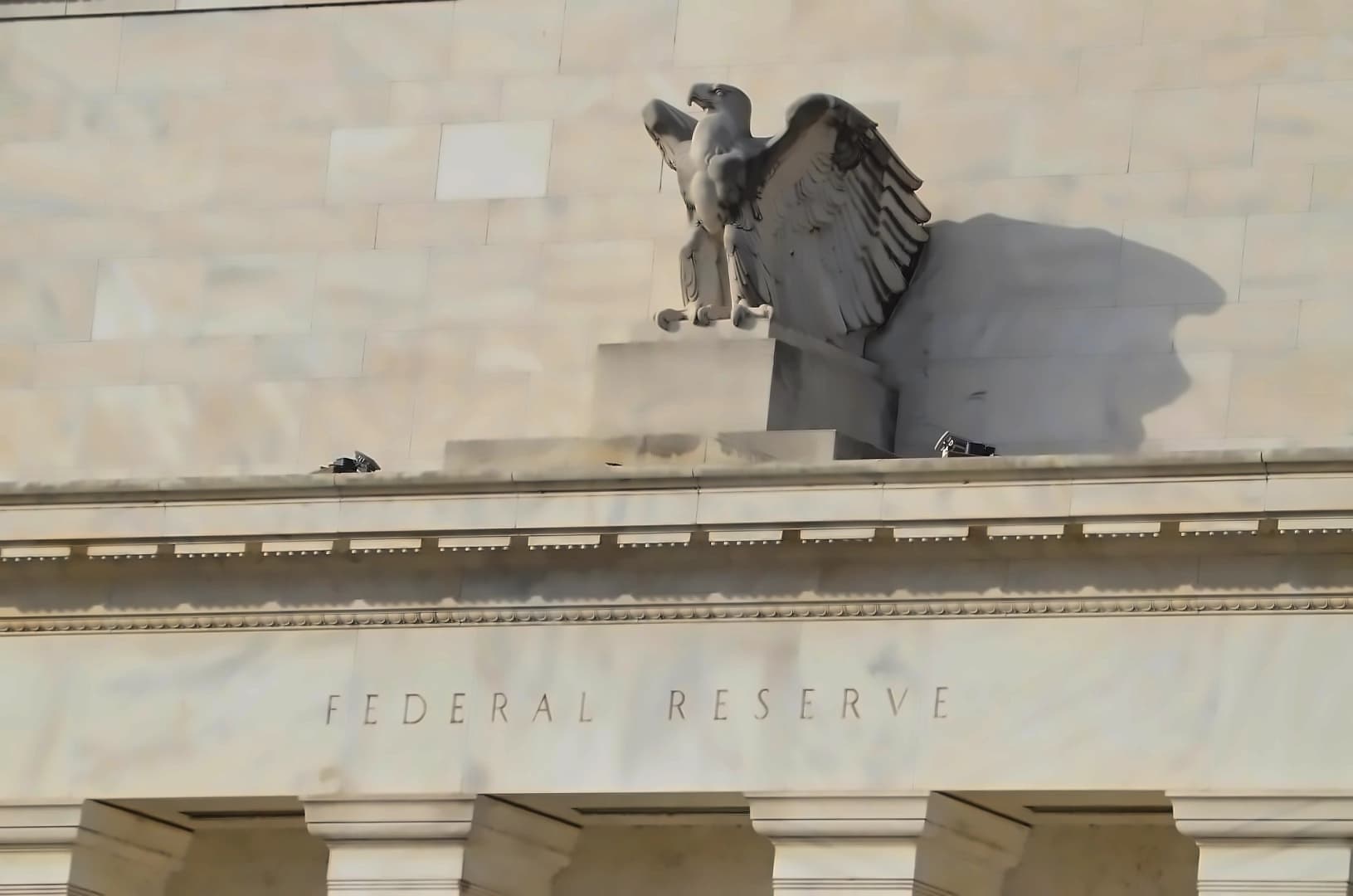
The crypto selloff has been driven by fresh U.S. inflation data that reinforced expectations that interest rates could remain higher for longer. According to the U.S. Bureau of Economic Analysis, the Personal Consumption Expenditures (PCE) price index rose 4.1% year over year in May 2026, up from 3.8% in April, marking its highest reading since April 2023. The core PCE, which excludes food and energy, reached 3.4% during the month, while consumer spending rose 0.7% in May, above forecasts, and first-quarter GDP growth was revised upward to 2.1% from 1.6%. The figures pointed to a resilient economy rather than a slowing one, with some economists now seeing room for possible rate hikes instead of cuts. Under Chair Kevin Warsh, the Fed held its benchmark rate at 3.5% to 3.75% in June and projected higher rates ahead, tying part of the price pressure to energy supply shocks from the Middle East conflict. This stance has weakened Fed rate-cut hopes across markets, where traders had expected easing this year. According to J.P. Morgan's Chief Global Strategist David Kelly, short-term inflation is partly attributable to the so-called 'tsunami of spending' flooding into AI development, infrastructure, and usage, with little prospect of AI-powered disinflation providing relief.
The cryptocurrency market has experienced heightened correlation with traditional tech stocks, with crypto and tech stocks tracking each other closely throughout 2026. The Nasdaq 100 had climbed before reversing, echoing a big tech selloff earlier in June that also dragged Bitcoin lower. Higher rates raise the cost of holding risk, weighing on both crypto and tech assets simultaneously. The Nasdaq 100's reversal mirrors Bitcoin's decline, with both markets turning lower after the Fed's preferred inflation gauge rose faster than expected in May. This correlation suggests that the Fed's monetary policy stance continues to influence risk asset performance across traditional and crypto markets, leaving risk assets exposed to further swings as policymakers maintain their hawkish stance. The total cryptocurrency market capitalization also fell 2.2% to $2.13 trillion during the recent selloff, with the combination of heavy ETF outflows and derivatives liquidations creating a perfect storm for Bitcoin's decline below the critical $60,000 support level. According to CoinSwitch Markets Desk, a big whales have been pulling back, with a lot of investor attention and new money lately flowing into artificial intelligence (AI), which leaves crypto fighting for a smaller slice of overall risk appetite.
Trader sentiment has shifted dramatically as Polymarket traders now assign a 65% probability that Bitcoin drops to $50,000 this year, after a hot inflation reading sent the token to its lowest level since September 2024. The odds for lower targets have risen recently, signaling that traders now see a deeper drop as likely. The nearer $55,000 target carried an even higher conviction at 77%, with the sharpest recent move coming on this level, which jumped about 20 points. Meanwhile, some experts target an even lower range, with Arthur Hayes seeing a $40,000 bottom within six months and Chinese miner Jiang Zhuoer pegging the floor at $42,000 to $44,000 in late 2026. However, the board is not one-sided, as the odds of Bitcoin reclaiming $70,000 this year have risen to 60%, a sign some traders expect a rebound once the selling clears. The repricing has flushed out leveraged positions across exchanges, with more than $1.26 billion in crypto positions liquidated across 209,000 traders.