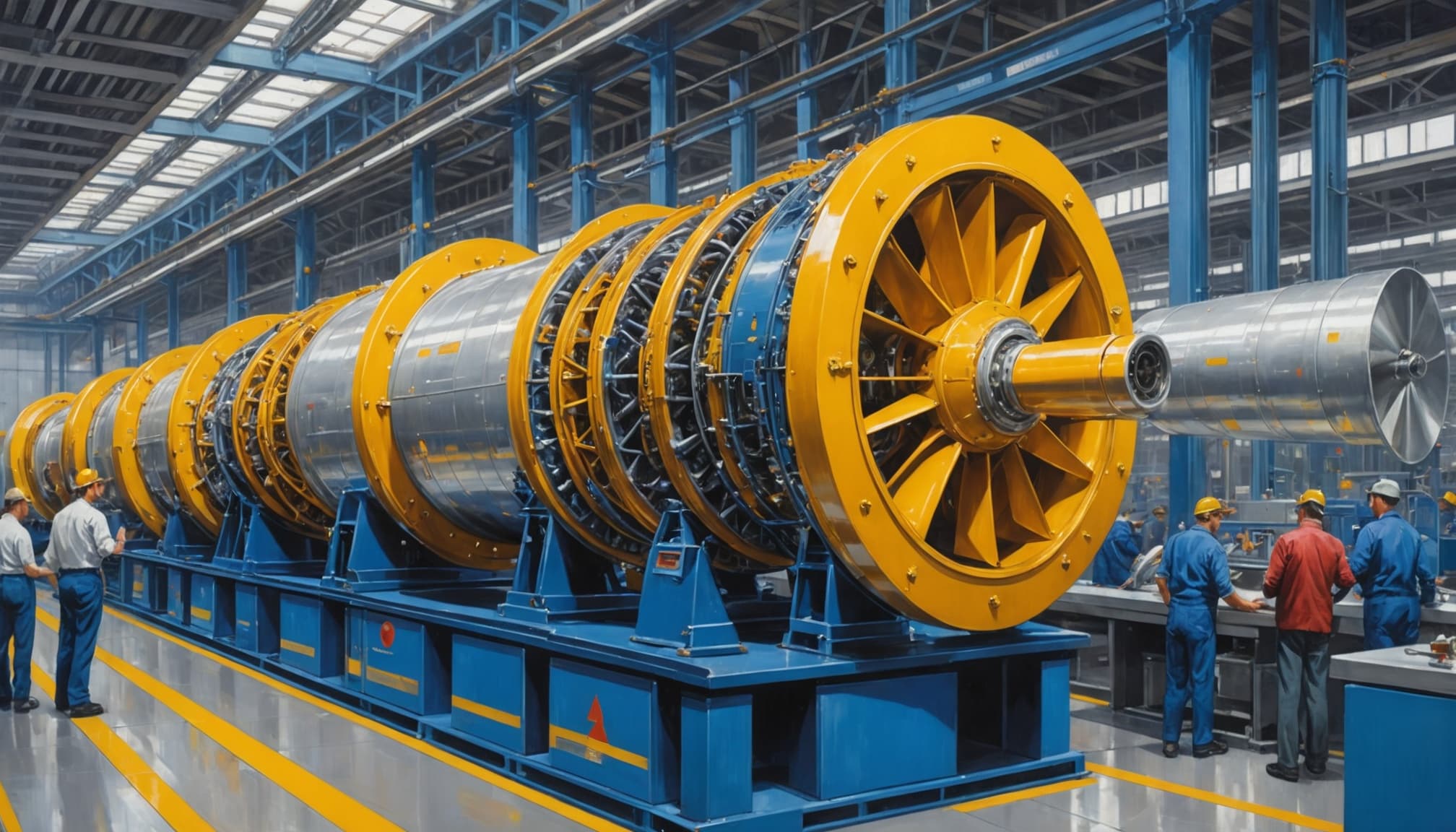
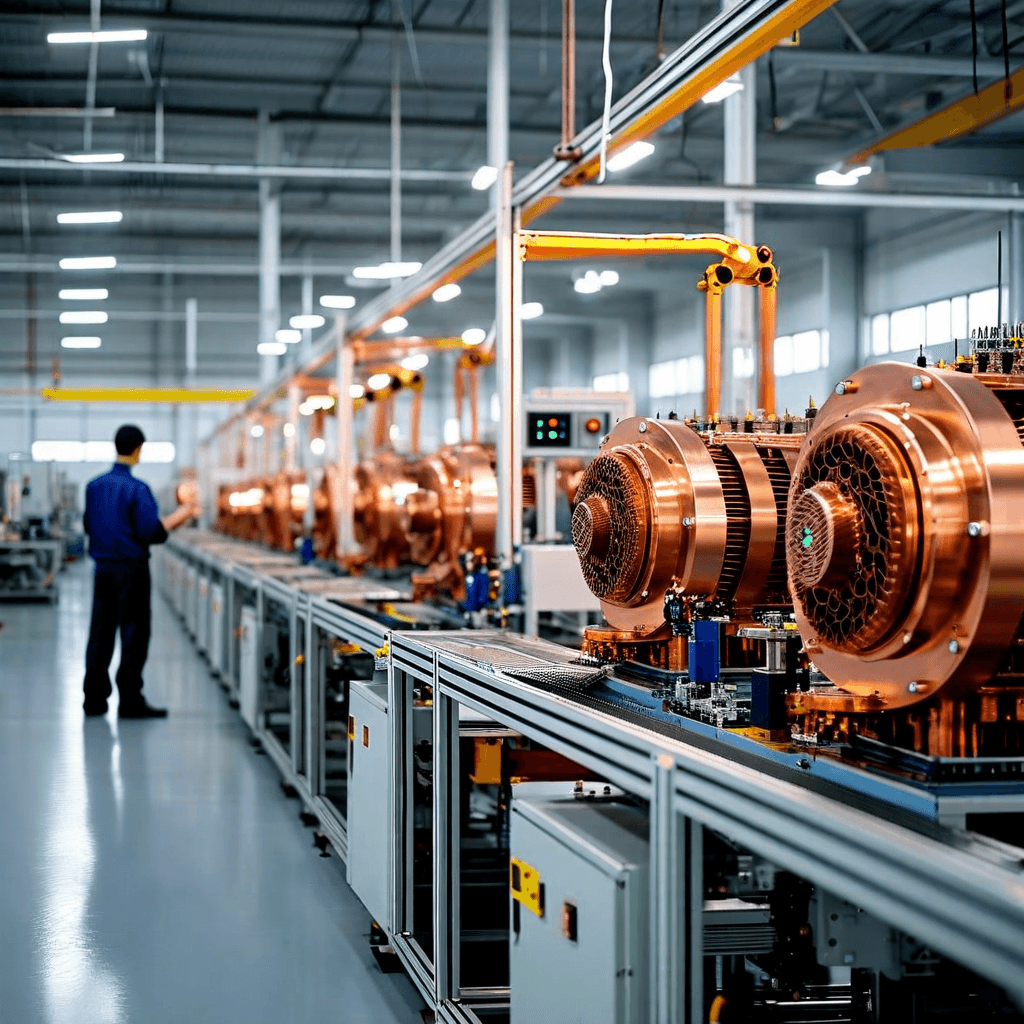
TD Power Systems has been on a tear. The stock is up about 89% in 2026 and has gained roughly 369% over three years, riding a wave of export orders tied to AI data centers and gas-based power generation. But after a blockbuster Q2 FY27 where profit more than doubled and margins crossed 20%, the real question is whether the company can execute fast enough to justify its premium valuation.
The Numbers: Growth That Speaks for Itself
Q2 FY27 was exceptional. Consolidated revenue jumped 86% year-on-year to ₹841 crore, while profit after tax surged 106% to ₹124 crore. More importantly, the quality of earnings improved. EBITDA margin expanded to 20.6%, up from 18.3% a year ago and 19% in the previous quarter. Half-year profit of ₹210 crore is already 88% of what the company earned in all of FY26.
The order book tells a similar story. At ₹23,187 crore, it covers roughly 2.8 quarters of current revenue. Order inflow for Q2 hit ₹822 crore, up 57% year-on-year, with exports contributing 88% of the inflow.
What Drove the Margin Expansion?
The margin gains didn't come from magic. They came from operating leverage. Gross margin held steady around 33.5%, but operating costs grew more slowly than sales, allowing more revenue to flow to the bottom line. Finance costs also fell sharply.
The revenue mix helped too. Exports now dominate, making up 88% of Q2 order inflow and 90% in the first half. Management has previously cited favorable forex tailwinds as a cushion against domestic cost inflation. Product mix shifted toward higher-margin segments like gas-engine generators for data centers and gas turbines for global OEMs. Price variation clauses in contracts also passed through some cost pressures. Investor Presentation
Demand-Driven vs. Supply-Pushed Growth
This growth appears to be demand-driven, not supply-pushed. Order inflow has risen every quarter and now exceeds ₹750–800 crore per quarter. Customers are reportedly planning to double or triple their own capacity, and OEMs have paid significant non-refundable advances—a sign of genuine demand rather than inventory stuffing. Investor Presentation +1
That's good news for margin sustainability. Demand-led growth supports pricing power and operating leverage. But there's a catch: Q2 inflow was roughly equal to Q2 revenue, meaning the order book is being filled almost as fast as it's being used. The book covers less than three quarters of sales, so margins depend on inflow continuing at this pace.
AI, Data Centers, and the Grid
The AI theme is real, even if the company doesn't break out the numbers. Q2 included large-volume serial-production orders from leading global OEMs for data center and distributed power applications at 13.8 kV. Repeat orders came from the Americas.
Grid stabilization is another qualitative driver. Management cites it alongside data centers, with utilities needing equipment to integrate renewables. Synchronous motors appear in the product range, but no specific revenue figures or timelines were disclosed. Transcript +1
Decarbonization is reshaping the baseline business too. Gas engines and turbines are the main growth engine, with management calling the expansion "massive." Hydro is seeing a recovery, with large orders from Nepal and expectations of more across multiple projects. Steam turbines are growing steadily at 10–12% in captive power and waste-heat recovery. The railways segment, however, is under review with no fresh orders. Transcript +1
Valuation: Paying Up for Growth
The stock trades at a trailing P/E of about 73x and a price-to-book of 11.5x. SBI Securities has a "Buy" rating with a target price of ₹732, implying about 15% upside from current levels. At that target, the stock would trade at roughly 48x FY28E earnings—still a premium multiple.
But the valuation leaves little room for error. If the market applied a more conservative 35x FY28E multiple to consensus EPS of about ₹15, the stock would trade closer to ₹525—well below current levels. Missing earnings estimates by even 10% at that multiple would push it toward ₹475.
Execution Risks and What Could Go Wrong
The risks are real. Order inflow is lumpy and heavily concentrated in exports and a few global OEMs. Management flagged data center execution delays, which could push out revenue recognition. Large generators take 18–20 months to build, so those orders won't contribute to revenue within six months. Transcript +1
Working capital is another pressure point. Receivables stood at about ₹785 crore against cash of roughly ₹240 crore (analyst estimate). Management says payment terms can't be changed significantly without losing business. The company is raising ₹75 crore through a preferential issue to promoters specifically for working capital. Transcript +1
Margin sustainability is also key. The recent expansion came from operating leverage, forex gains, and product mix. Freight costs are rising, and any reversal in these factors could compress margins back toward the high teens. Transcript +1
The Dividend: A Signal, Not a Strategy
The board declared an interim dividend of ₹0.65 per share with a record date of November 18. That's about ₹20 crore in total payouts—roughly 10% of H1 profit. At the current price, the yield is just 0.1%. This isn't an income stock; it's a growth stock that pays a token dividend as a confidence signal.
Cash generation, however, is thinner than profit growth suggests. Free cash flow was just ₹18 crore in FY26, barely covering dividends. Capex is ramping up to about ₹50 crore annually to support capacity expansion toward ₹3,200 crore by FY28 and beyond ₹4,000 crore by FY30. The company is prioritizing reinvestment over payouts. Transcript
Technicals and Ownership: A Stock in Transition
Technically, the stock has cooled off from its October peak of ₹856. It's now about 25% below that high and trading below its 50-day moving average but above the 200-day line. The RSI is neutral at 43, and the MACD histogram is negative, suggesting short-term momentum is bearish. The post-results jump of nearly 10% intraday happened within this broader pullback.
Ownership is shifting too.
Retail holding has declined steadily over the past year. Promoter holding edged up slightly to 27.2%. The data doesn't explain the moves, but it shows the stock is rotating hands.
The Verdict: High Expectations, Higher Stakes
TD Power Systems has delivered on growth. The AI and data center theme is real, the order book is robust, and margins are expanding. But the stock now prices in perfection. At 52x forward earnings, investors are assuming continued strong order inflow, margin sustainability, and flawless execution.
The next few quarters will be critical. Watch for order announcements, margin trends, and working capital management. If the company can maintain its current pace, the premium valuation may be justified. But if execution stumbles or data center demand moderates, the stock could face a sharp de-rating. This is a high-quality growth story, but at these prices, it's not for the faint-hearted.