Tata Motors is executing a bold three-pronged strategy for 2026-27: launching premium EVs via the Avinya platform, expanding its 7-seater portfolio, and investing heavily in capacity. With ₹10,000 crore earmarked for expansion, the company aims to transition from mass-market leader to premium contender while navigating severe production bottlenecks and intensifying competition.
The Avinya Gamble: Democratizing Luxury
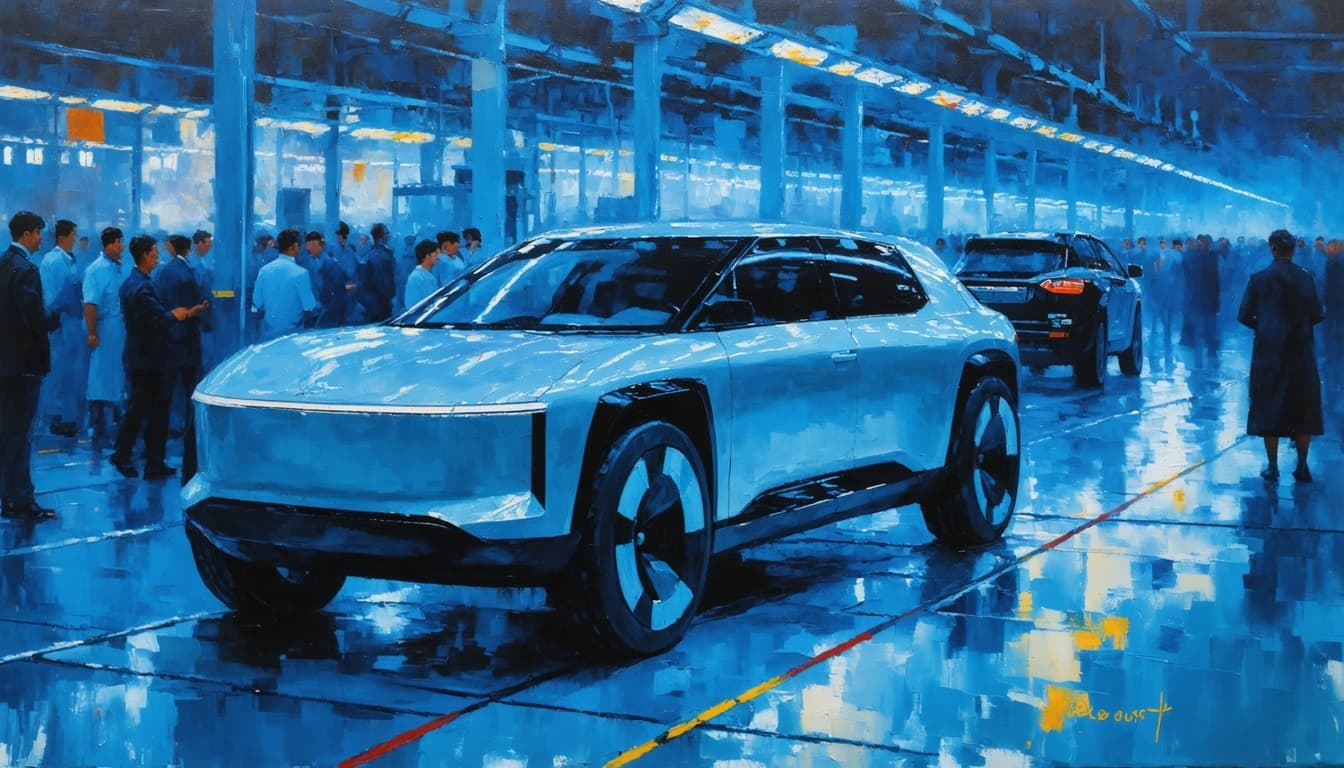
The Avinya platform represents Tata's most ambitious play yet—shifting from mass-market dominance to the premium EV segment. Originally slated for late 2026, the launch has been pushed to 2027 due to a strategic pivot to Jaguar Land Rover's EMA (Electrical Modular Architecture) platform. This collaboration provides access to advanced E&E architecture, electric drive units, and proven reliability, essentially borrowing premium credibility from JLR's pedigree. Transcripts +2
Positioned as "significantly premium" compared to the Safari, Avinya aims to democratize luxury vehicle experiences at accessible price points. The strategy focuses on tech-rich products with world-class features, targeting sophisticated, upscale, and adventurous customers—a distinct shift from Tata's traditional buyer personas. This aligns with the company's broader "House of Brands" strategy, creating distinct brand worlds for premium offerings while maintaining mass-market appeal. Transcripts +3
Capacity Constraints: The Waiting Game
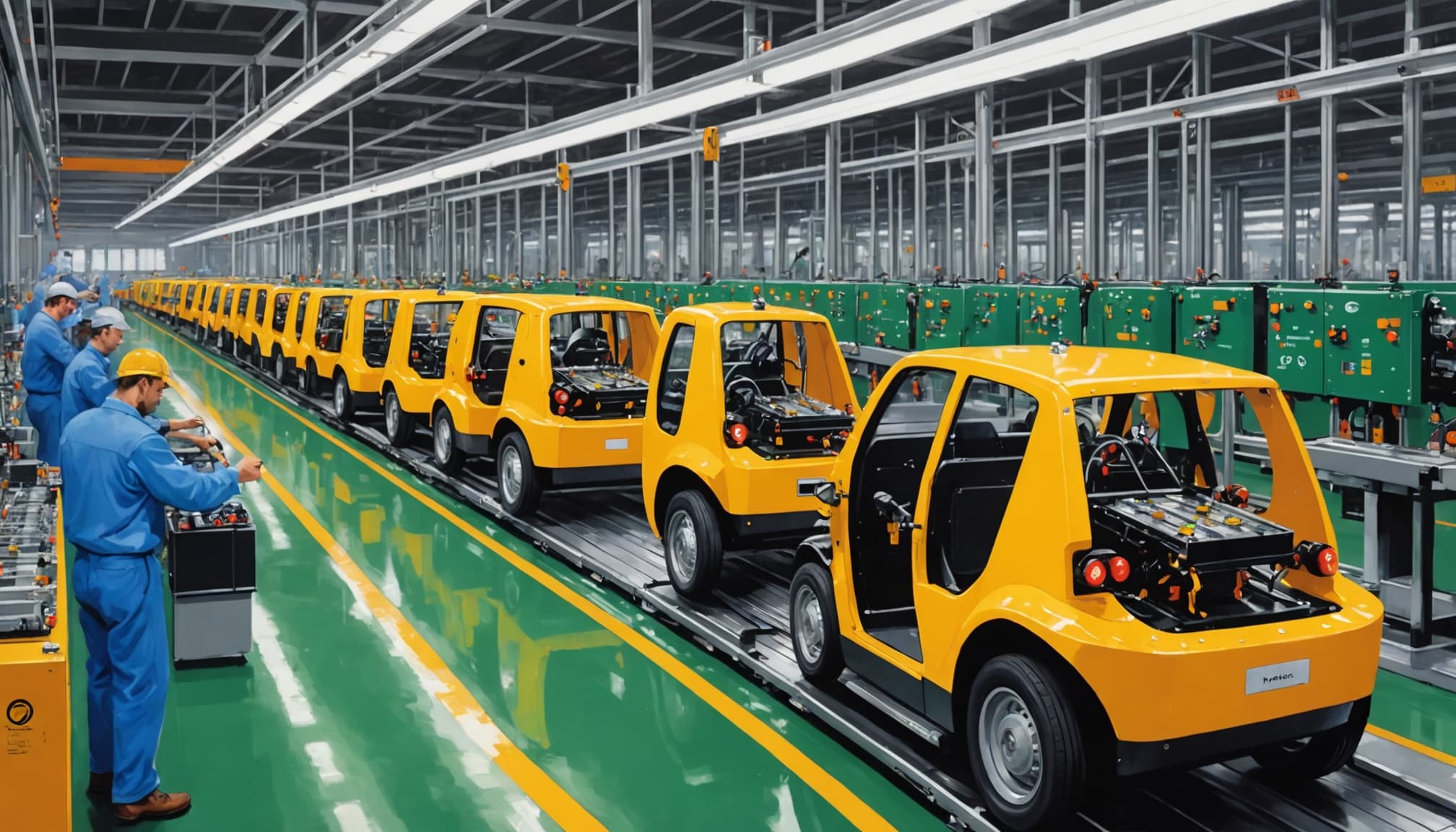
Despite ambitious plans, Tata faces severe production bottlenecks. The Punch EV currently carries an 8-10 month waiting period despite monthly production of 4,000-4,500 units. The primary culprit? Castings. Industry-wide capacity constraints at Tier 1 to Tier 3 supplier levels, particularly for castings, have created critical bottlenecks affecting Sierra production and commercial vehicle segments alike. Transcripts +1
The company is aggressively addressing these constraints through debottlenecking actions and capacity expansion initiatives. EV production has ramped from approximately 9,000 to over 15,000 units monthly, with plans for further increases. Management targets production volumes of 65,000-70,000 units per month across all models, up from recent levels affected by supply chain issues including labor challenges and geopolitical disruptions. Transcripts +2
Balancing Act: Existing Models vs. New Launches
Tata is implementing a balanced distribution strategy for shared components like engines between Sierra and Safari. For Sierra specifically, dedicated capacity at the Sanand 2 factory is being enhanced in two phases over the next 5-6 months to reduce waiting periods from current 6-7 month levels. The company is also working on enhancing capacities and ramping up supplies from suppliers across Tier 1 to Tier 3 levels. Transcripts +2
The product pipeline includes Sierra.ev launching in Q4 FY26, Avinya in 2027, one additional unnamed product in FY27, plus two big refreshes and four facelifts. This "intense product action year" requires careful capacity allocation between existing high-demand models and new launches—a challenge management acknowledges will make FY27 "more a supply challenge rather than demand". Transcripts +2
7-Seater Segment Challenge
The 7-seater market is growing robustly at 24.9% YoY, reaching 88,830 units monthly. Currently dominated by Maruti Suzuki Ertiga (22.9% market share) and Mahindra Scorpio (17.8%), Tata's Safari holds minimal presence with just 1,057 units monthly. The Sierra.ev, which received 70,000 bookings on day one for its ICE version, represents Tata's serious entry into this segment. Transcripts
Realistic projections suggest Tata could capture 5-10% of the 7-seater segment within 24 months, directly challenging Mahindra's SUV dominance and creating pressure on Maruti Suzuki and Toyota to accelerate premium EV plans. The expanded portfolio strengthens Tata's competitive positioning against both domestic and international automakers, solidifying its position as India's #2 PV manufacturer while establishing credentials in the premium 7-seater EV space.
Financial Impact: ₹10,000 Crore Bet
The expansion comes with significant financial commitment. Tata has raised annual investment guidance to 7-9% of standalone passenger vehicle revenue—₹4,000-5,200 crore annually based on FY26 revenue of ₹58,500 crore. This translates to ₹8,000-10,400 crore over two years for capacity addition and product development. Additionally, the company plans ₹16,000-18,000 crore in EV-specific investment through FY30.
Despite this investment surge, Tata's free cash flow remains robust. The company generated ₹9,186 crore in FCF in FY26, with Q1 FY27 showing ₹1,114 crore—a ₹2,900 crore swing from the previous year's negative ₹1,796 crore. Strong liquidity positions (₹13,500 crore consolidated net cash) provide cushion for the expansion. Transcripts +2
Regulatory Compliance and Profitability
The balanced EV-ICE mix strategy enhances profitability through multiple mechanisms. EV costs are significantly deflationary while ICE costs face inflationary pressures from emission compliance requirements. Tata's EV business achieved both EBITDA and PBT positivity in FY25, with structural margin improvements evident. Nearly two-thirds of volumes qualify for PLI schemes, contributing approximately ₹1,000 crore in accruals. Transcripts +2
On regulatory compliance, Tata is already "well below CAFÉ 2 norms" with CNG and EV penetration exceeding 40% of its portfolio. The company actually opposes proposed CAFE exemptions for small vehicles, demonstrating confidence in its compliance position and advocating for uniform standards without weight-based relaxations. Transcripts
Multi-Segment Strategy: Risks and Rewards
Simultaneously pursuing premium (Avinya), mass-market EV (Tiago EV, Punch EV), and ICE (Harrier Petrol) segments presents both opportunities and challenges. The rewards include market leadership across multiple segments—Tata holds 75%+ market share in entry EVs below ₹12 lakh and 55% overall EV market share. The widest EV portfolio spanning ₹8-22 lakh with no overlapping products provides unique competitive positioning. Transcripts +2
However, the strategy requires parallel investment across multiple powertrains—ICE, PHEV, potentially REEV, and BEV—creating higher overall Capex than a single powertrain approach. The ₹12-20 lakh segment, where "maximum volume would lie," faces intense competition from all manufacturers. Market share volatility from competitor launches and profitability pressures from ICE discounting add to execution complexity. Transcripts +3
Strategic Outlook
Tata Motors' 2026-27 strategy represents a calculated bet on India's automotive transition. The ₹10,000 crore investment in new models and capacity expansion, supported by strong free cash flow generation and robust liquidity, positions the company to challenge established players while maintaining its mass-market leadership.
The Avinya platform's success will depend on execution excellence, competitive response management, and maintaining the technological edge that has driven Tata's EV market leadership. Realistic market share gains of 5-10% in the 7-seater segment within 24 months would significantly impact competitors, particularly Mahindra in the SUV space.
The key to success lies in managing the transition period where Tata must sustain investments across legacy and future technologies while gradually shifting the portfolio mix toward electrification. Their ability to maintain profitability during this transition, supported by PLI incentives and structural cost improvements, will be critical to long-term success in India's evolving automotive landscape.