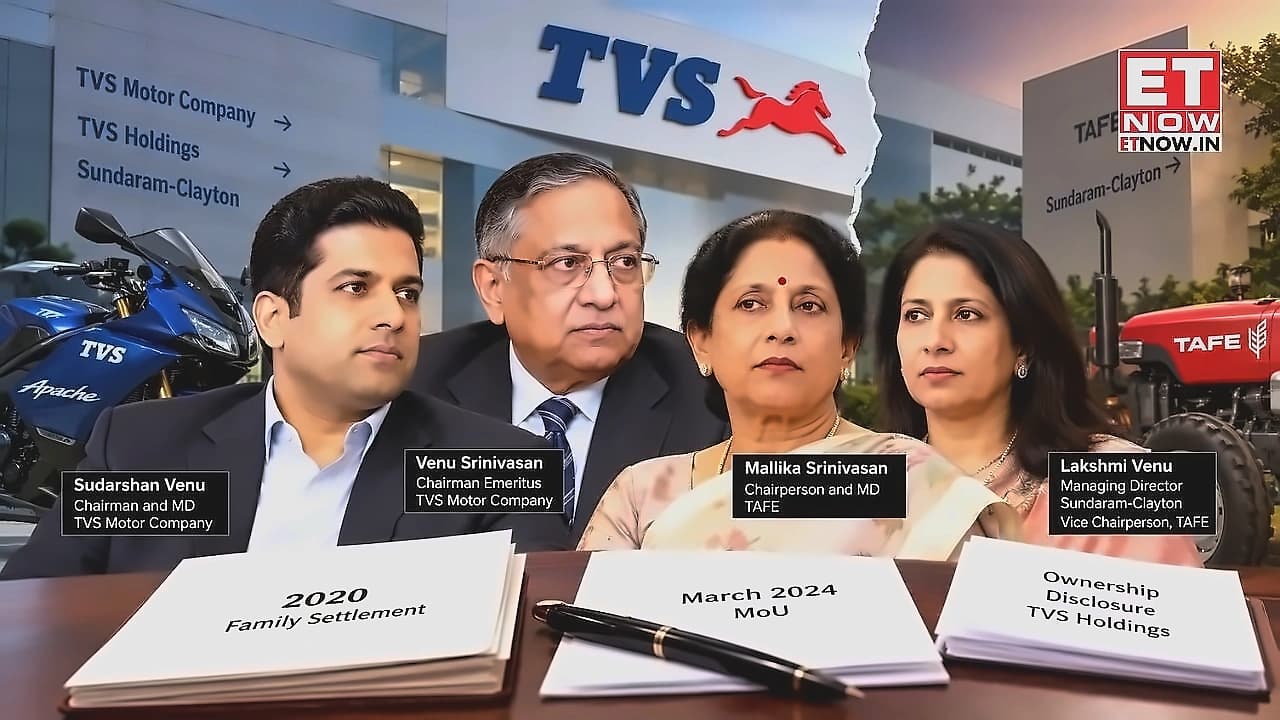
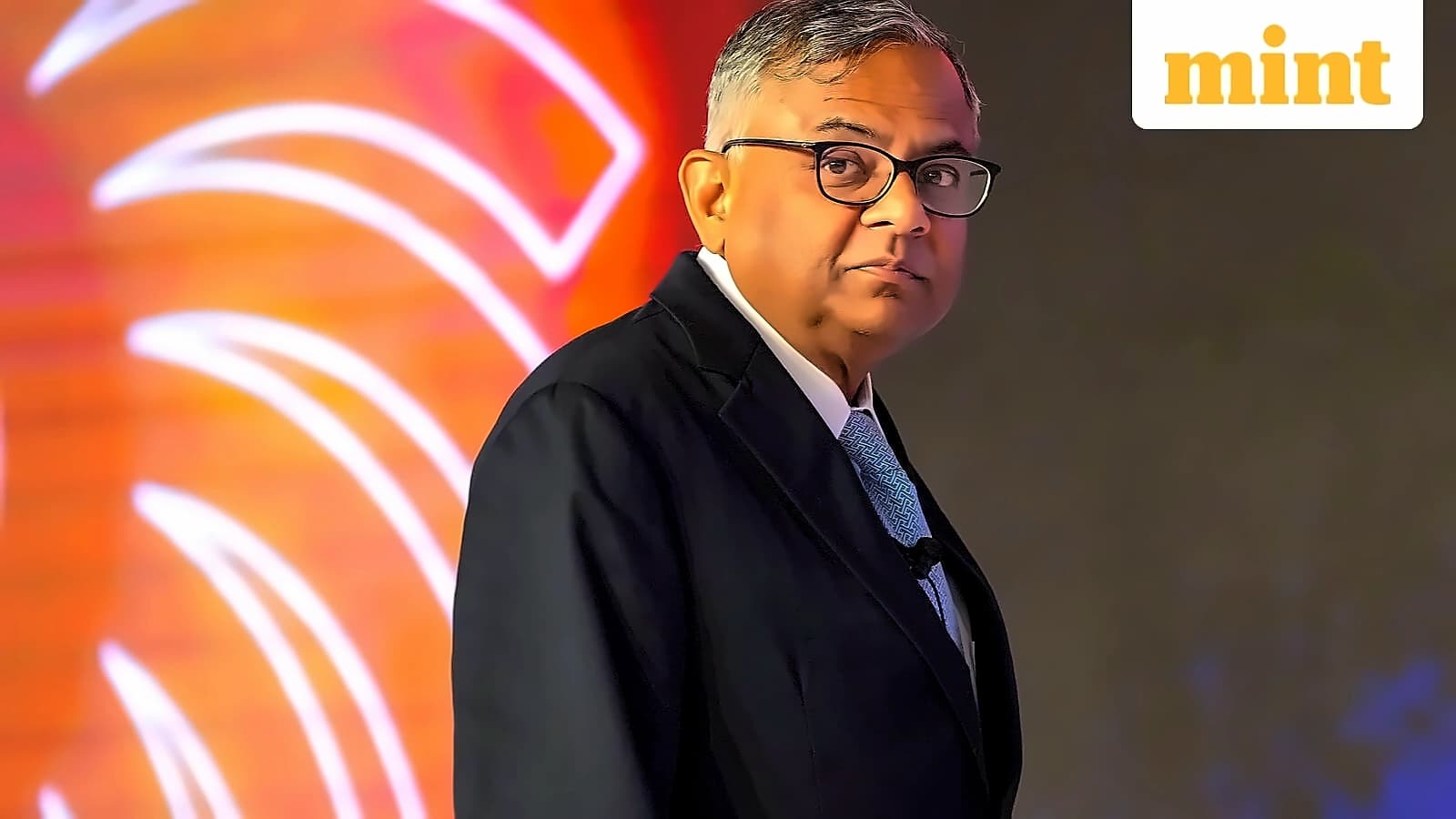
In March 2025, Hanno One Warehousing Private Limited was incorporated with Lalitha Chandrasekaran (wife of Tata Sons Chairman N. Chandrasekaran) and Pranav Chandrasekaran (their son) as directors.
HDFC Bank subsequently extended a Rs 60 crore construction loan secured by these lease rights. Yet neither Tata Sons nor Tata Trusts boards received disclosure of these transactions, despite Venu Srinivasan serving as a Tata Trusts nominee on the Tata Sons board and as Chairman Emeritus of TVS Motor.
Tata Sons maintains that Hanno One's incorporation was disclosed in April 2025 to companies where Chandrasekaran serves as chairman, and that TVS Motor is an independent listed company with no Tata Group dealings—meaning the transaction didn't trigger disclosure obligations. Tata Trusts disputes this, confirming no disclosures were made to trustees and indicating none reached the Tata Sons board either. This gap in disclosure becomes particularly significant given that on September 17, 2026, Srinivasan voted in favor of Chandrasekaran's reappointment for a third five-year term, while Tata Trusts Chairman Noel Tata opposed it.
The Regulatory Gap
Under Indian law, specifically the Companies Act, 2013 and SEBI Listing Obligations and Disclosure Requirements (LODR) Regulations, related-party transaction disclosures are triggered when a person is a director or key managerial personnel of the company, or a relative of such a director. Since N. Chandrasekaran is not a director of TVS Motor, Hanno One does not qualify as a "related party" under strict legal definitions. This creates a regulatory gap where transactions that don't meet technical related-party definitions but present governance concerns escape mandatory disclosure frameworks.
The Tata Code of Conduct, however, defines conflict of interest more broadly than legal requirements. It explicitly requires executive directors to disclose actual or potential conflicts involving themselves or immediate family members to the Board of Directors for review and approval. The code also prohibits employees from accepting positions with other organizations without prior approval and requires all senior management to confirm absence of material conflicts. The absence of disclosure about the TVS-Hanno One transaction—particularly given Srinivasan's position on the Nomination and Remuneration Committee evaluating Chandrasekaran's performance—raises questions about adherence to these broader governance principles. AnnualReports +1
Financial Dependencies and Strategic Benefits
The transaction structure creates multiple layers of financial dependency between Chandrasekaran's family interests and TVS Motor. The 29-year lease from TVS Motor provides Hanno One with long-term revenue certainty, while the Rs 60 crore HDFC Bank loan was offered based specifically on lease rights from TVS Motor as primary security. This creates a financing dependency where Hanno One's ability to secure institutional capital is contingent on its relationship with TVS Motor.
Geographic proximity amplifies these strategic advantages. TVS Motor operates manufacturing facilities in Hosur (Tamil Nadu) and Mysuru (Karnataka). The Krishnagiri warehouse project borders Hosur, placing Hanno One within TVS's established industrial ecosystem. This proximity provides logistics integration, infrastructure synergy, and guaranteed anchor tenant status—benefits that would be difficult for an independent warehousing developer to secure without established relationships. While specific details of a Rs 436 crore project pipeline could not be independently verified, the verified Krishnagiri project cost of Rs 106.3 crore represents significant commercial value flowing to Chandrasekaran's family through the TVS relationship.
The Governance Crisis Deepens
The governance concerns intersect with a broader leadership dispute at Tata Sons. Tata Trusts has termed Chandrasekaran's reappointment a "legal nullity," arguing that Article 121 of Tata Sons' Articles of Association requires majority support from Trusts' nominee directors for chairman appointments. With Noel Tata voting against and Srinivasan voting for the reappointment, Tata Trusts contends the resolution is invalid.
The undisclosed Hanno One transactions strengthen Tata Trusts' position by demonstrating flaws in board decision-making and disclosure processes. Tata Trusts' July 2025 unanimous support for Chandrasekaran's reappointment was provided without knowledge of the commercial relationship between his family and TVS Motor—a company whose representative (Srinivasan) sits on the Tata Sons board and participated in evaluating Chandrasekaran's performance. This creates potential fiduciary duty breaches regarding duties of loyalty, disclosure, and good faith.
Regulatory Exposure and Market Pressure
While Tata Sons has limited direct regulatory exposure to Karnataka's land allotment processes, state-level involvement through agencies like the Karnataka Industrial Areas Development Board (KIADB) and State Level Single Window Clearance Committee (SLSWCC) creates indirect risks. If Hanno One received concessional treatment or priority allotment, questions could arise about whether Chandrasekaran's position influenced the process, potentially triggering political scrutiny or regulatory investigations.
Institutional investors and proxy advisory firms are likely to exert significant pressure. Amit Tandon of Institutional Investor Advisory Services (IiAS) noted that "there has to be alignment between the executive management and the owner," warning that conflicts could impact Tata Group operating companies' performance. Proxy advisors can influence through shareholder voting power in Tata Group listed companies, public advocacy, ESG integration, and coordination with other institutional investors for collective action.
Potential Consequences
The legal and reputational consequences could be significant. For Tata Sons, potential risks include fiduciary duty breach claims, derivative actions, regulatory investigations, contract disputes if the reappointment is challenged, and listing complications. For TVS Motor, SEBI LODR violations, shareholder class actions, minority oppression claims, and director liability are possible if transactions should have been disclosed as related-party transactions.
Reputational impacts include governance credibility erosion, talent attraction challenges, stakeholder relations strain, brand value impact, and negative international perception. Market reaction scenarios range from mild (5-10% stock decline) to severe (30%+ decline) depending on the severity of regulatory action and legal findings. The cost of governance failures could range from Rs 50-200 crore in legal fees and settlements to significantly higher opportunity costs from management distraction and increased cost of capital.
The path forward requires comprehensive disclosure of all conflicts, independent governance reviews, enhanced conflict-of-interest policies, stakeholder communication, and structural reforms to prevent recurrence. Failure to address these issues comprehensively could result in significant consequences for both Tata Sons and TVS Motor, potentially affecting the entire Tata Group ecosystem.