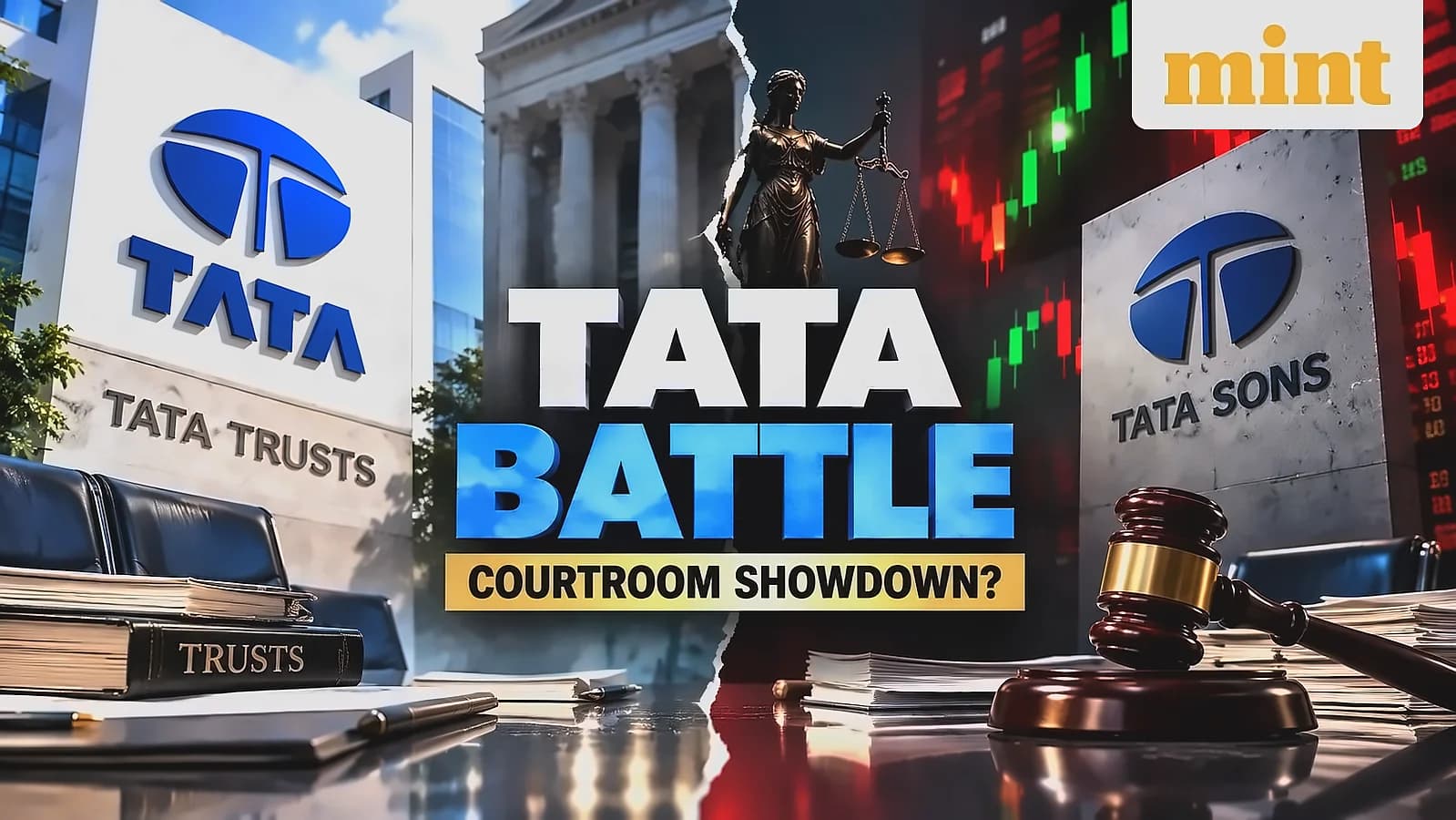
Tata Trusts has issued a stern warning to address the mounting governance crisis, telling NDTV Profit that if allegations of business ties between Tata Sons chairman N. Chandrasekaran and TVS Motor chairman emeritus Venu Srinivasan are proven true, they will 'evaluate response and act appropriately'. According to NDTV Profit, Tata Trusts confirmed that no disclosures were made to its trustees about any business relationship between the two executives. The trusts also stated that Venu Srinivasan did not disclose any dealings involving Hanno One Warehousing, Hanno Infra or TVS Motor to their representatives. This clarification comes after Mint reported that family members of Chandrasekaran have business ties to Srinivasan, who cast a decisive board vote last week to give Chandrasekaran a fresh term.
Venu Srinivasan, the grandson of TVS Group founder T V Sundaram Iyengar and chairman emeritus of TVS Motor, has emerged as a key figure in the latest Tata Sons governance crisis after publicly defying a directive from the Sir Dorabji Tata Trust (SDTT). As reported by Mint, Srinivasan was one of four directors who voted in favour of reappointing N. Chandrasekaran as chairman of Tata Sons and the proposed listing of the Tata group holding company at a board meeting held this week. The vote followed a resolution by SDTT, a major Tata Sons shareholder, seeking to bar Srinivasan from voting after he took a public position at odds with the Trust's preference to keep Tata Sons private. Srinivasan pushed back in writing, stating the directive was issued without consultation and conflicted with his legal duty as a director to act in the interests of Tata Sons as a whole, not any single shareholder.
According to reports from Mint, family members of Tata Sons chairman N. Chandrasekaran hold business relations with TVS Motor Co. Ltd, the automaker led by Venu Srinivasan, who recently cast a decisive board vote backing Chandrasekaran's fresh term. Hanno One Warehousing Pvt. Ltd was incorporated on March 10, 2025, with Lalitha Chandrasekaran and Pranav Chandrasekaran listed as directors. Hanno Infra LLP owns 99.99% of the company, while Pranav holds one share directly, with Lalitha signing on behalf of the LLP. As per Mint, documents show Lalitha signed on behalf of the LLP, with the company registered under the Ministry of Corporate Affairs. Tata Sons has confirmed that the incorporation of Hanno One was disclosed in April 2025 to all companies where Chandrasekaran serves as chairman. However, Tata Trusts has alleged that Srinivasan did not disclose the relationship between TVS Motor and Hanno One to the trustees and was not aware of such disclosure being made to the Tata Sons board.
As reported by Mint, in June 2025, three months after Hanno One was founded, TVS Motor leased 17 acres of farmland in Uddanapalli village in Tamil Nadu's Krishnagiri district to the company. In November 2025, HDFC Bank offered Hanno One a ₹60 crore construction loan, backed by lease rights and the building to be constructed. The term sheet estimates the cost of the 3.3 lakh sq. ft 'TVS Motors Warehouse Project', slated to finish by March 2027, at ₹106.3 crore. NDTV Profit reports that Hanno One owns land in Uddanapalli that is visible on Tamil Nadu's pollution control board's website when searched on the official state government sites. The terms of the TVS lease, including rent, are not public. TVS Motor is an independently listed company and one of India's major manufacturers of two-wheelers and three-wheelers, with the commercial relationship existing between TVS Motor and Hanno One rather than directly between TVS Motor and Tata Sons.
The latest boardroom battle reveals significant divisions within Tata Trusts, which hold a 66% stake in Tata Sons. According to Bloomberg News, Venu Srinivasan, chairman emeritus of TVS Motor and one of two Tata Trusts representatives on the board, opposed Tata Trusts chairman Noel Tata's preferences on contentious issues. Srinivasan's opposition matters because Tata Trusts' influence is strongest when their representatives act together. With Noel and Srinivasan on opposing sides, the majority shareholder's position is no longer as unified as it was during earlier boardroom battles. The Shapoorji Pallonji Group, which owns an 18.4% stake in Tata Sons, is the company's largest minority shareholder, with the Mistry family historically supporting a public listing of Tata Sons. On September 17, the Tata Sons board approved Chandrasekaran's reappointment for another five-year term, with Tata Trusts opposing the reappointment, with chairman Noel Tata voting against the proposal. According to Mint, the 4:1 vote was invalidated by Tata Trusts, who argue that since Srinivasan voted in favour and Noel opposed, there was no majority under Article 121. The trusts also claim the reappointment did not follow Article 118 requirements for a five-member selection committee.
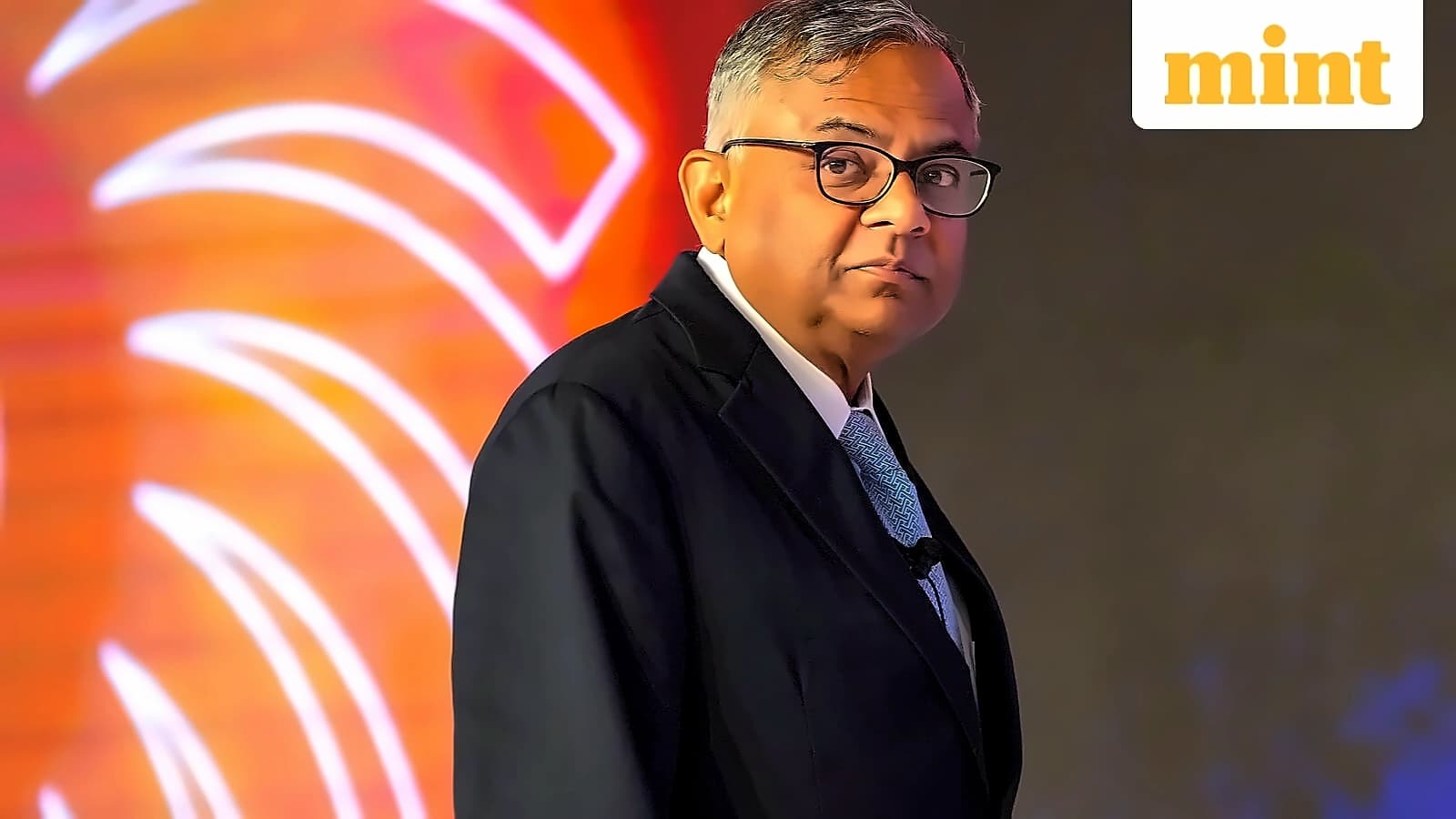
Harish Manwani and Anita George, the two independent directors on the six-member Tata Sons board, have emerged as crucial players in the battle over N Chandrasekaran's reappointment. Both backed Chandrasekaran for another five-year term at the September 17 board meeting, where Tata Trusts chairman Noel Tata voted against the resolution. Manwani, the former global chief operating officer of Unilever and currently a senior operating partner with private equity giant Blackstone, has been on boards through significant corporate battles including Broadcom's $117 billion takeover attempt of Qualcomm and activist investor Elliott Management's campaign at Nielsen. George, 66, comes from an investment background, having helped build CDPQ's India investment business and served on boards within the Edelweiss group. Their careers before Tata Sons offer distinct histories - Manwani's extensive experience with hostile takeovers and activist investors, and George's background in institutional capital deployment across emerging markets. Their roles have become particularly important given the unusual governance situation where the board and controlling shareholder are taking different positions, with governance experts noting that prolonged disagreement between a board and dominant shareholder can create governance uncertainty.