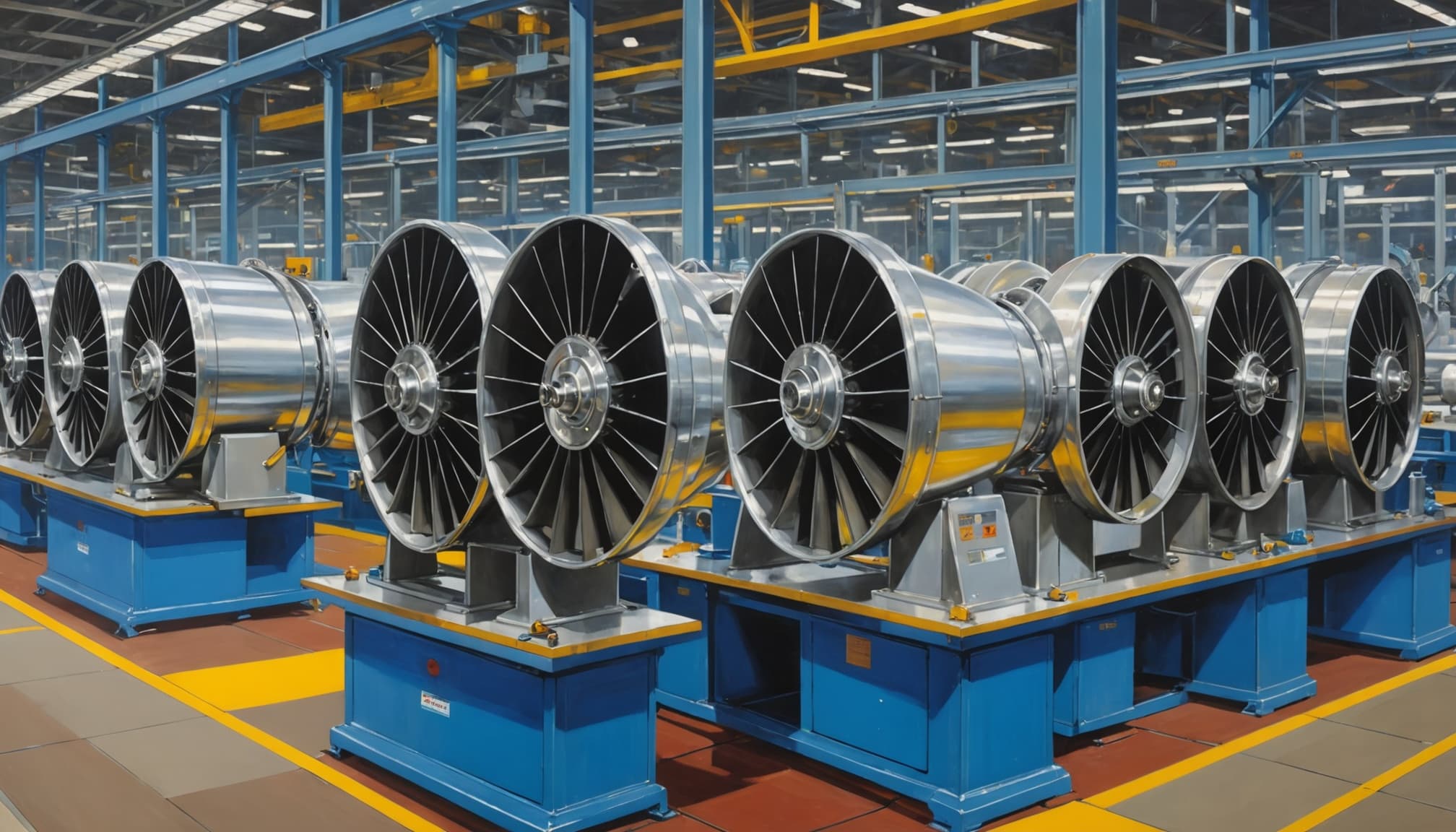
Suzlon Energy delivered a classic case of good news, bad news in Q1 FY27. Revenue from operations climbed 22.5% year-on-year to ₹3,819 crore, driven by record first-quarter wind turbine deliveries of 506 MW—up 14% from the year-ago period. Commissioning activity more than doubled to 269 MW. The order book swelled to 6.1 GW, with record new order additions of around 1 GW during the quarter, including major EPC contracts from Tata Power and Waaree Group.
Yet, the bottom line told a different story. Consolidated net profit declined 6% to ₹305 crore, down from ₹324 crore in Q1 FY26. EBITDA marginally fell to ₹595 crore from ₹599 crore, but the margin itself collapsed to 15.6% from 19.2% a year earlier—a 360-basis-point erosion that sent alarm bells ringing.
Why Margins Crumbled
The primary culprit behind this profit contraction was a deliberate but costly shift in business mix. Suzlon's EPC (Engineering, Procurement, and Construction) orders grew to 32% of the order book in Q1 FY27, up from 22% in the year-ago period. While this strategy drives revenue growth and market share, EPC contracts typically carry significantly lower margins compared to pure wind turbine generator sales. The company is essentially trading margin for scale.
Cost pressures compounded the problem. Total operating expenses surged, with other operating expenses jumping 72.96% year-on-year and depreciation costs rising 53.23%. Commodity headwinds persisted—while steel prices eased somewhat, elevated copper prices continued to squeeze margins on electrical systems. Analysts had flagged these risks ahead of the results, with Centrum Broking specifically warning about margin pressure from higher EPC mix.
Market's Verdict: Disappointment
Investors reacted swiftly and negatively. Suzlon shares plummeted 5.78% to ₹50.08 on the NSE following the announcement. This wasn't merely profit-taking after a rally—it was a fundamental reassessment. The results significantly missed analyst expectations, with most brokerages forecasting EBITDA margins in the 17.3-18.8% range and net profit between ₹433-492 crore.
The market's message was clear: revenue growth alone isn't enough. Investors are demanding evidence that Suzlon can control costs and maintain profitability while scaling up. The margin deterioration raised serious questions about pricing power, operational efficiency, and the sustainability of current growth trajectories. This pattern of disappointing investors despite strong top-line numbers has occurred before—shares fell nearly 6% in Q3 FY26 under similar circumstances.
Strategic Expansion Amid Margin Pressure
Paradoxically, Suzlon is pursuing ambitious expansion even as margins compress. The company's "Suzlon 2.0" strategy targets 10 GW of annual renewable energy sales by FY31, expanding beyond pure-play wind into solar and battery storage. This vision requires significant capital allocation and organizational transformation.
However, specific details about a much-discussed Singapore subsidiary for international OMS business remain elusive. Despite extensive searches, no public announcements or regulatory filings confirm such a subsidiary's approval or strategic rationale. What is clear is that Suzlon's international operations currently generate only single-digit operating margins due to lack of scale, compared to more profitable domestic operations. Any international expansion would likely pressure margins further in the near term. Transcripts
Leadership Transition and Organizational Challenges
The company is also undergoing significant leadership restructuring. In February 2026, Ajay Kapur was appointed Group CEO, and a Group Executive Council was established to separate strategic planning from operational execution. Ashok Ramachandran joined as President of India Business in June 2026, bringing experience scaling capacity at JSW Energy.
However, reports of Anjali Byce's appointment as Group CHRO appear unfounded. Byce resigned as CHRO of Tata Motors Passenger Vehicles in May 2026 to pursue opportunities outside the company. No evidence links her to Suzlon Energy. The actual CHRO transition involved Rajendra Mehta ceasing his role in late July 2026, though no successor announcement has been publicly confirmed. Others +1
The Path Forward: What Investors Are Watching
The Q1 FY27 results represent a reality check for Suzlon. The company has proven it can win orders and grow revenue, but profitability remains elusive. Going forward, several factors will determine whether the stock can recover:
Margin recovery is paramount. Can Suzlon restore EBITDA margins to the 17-19% range? Cost control initiatives need to demonstrate effectiveness quickly. The company must balance its accelerating shift toward EPC business with margin preservation—a challenging feat given the structural nature of EPC economics.
Execution excellence matters more than ever. Analysts have consistently flagged project delays and commissioning challenges. With working capital days running at 90-100 against a target of 75, cash conversion needs improvement. The company's ability to deliver on its 3 GW annual execution target while maintaining margins will be closely scrutinized.
The Suzlon 2.0 vision remains compelling, but execution risks are mounting. The transition from a wind-focused company to a full-stack renewable energy player requires capabilities beyond manufacturing—project development, EPC execution, and international operations all demand different skill sets and cost structures. The Q1 results suggest this transition is proving more expensive than anticipated.
Bottom Line
Suzlon Energy's Q1 FY27 performance exposes the fundamental tension between growth and profitability. The company is successfully scaling revenue and building an impressive order book, but margins are suffering as a result. The 5.78% stock decline reflects investor skepticism about whether management can navigate this trade-off successfully.
The coming quarters will be critical. If Suzlon can demonstrate margin stabilization while maintaining growth momentum, sentiment could recover quickly. However, if margin pressure persists or execution challenges intensify, the stock faces further downside. For now, the market is demanding proof that Suzlon's ambitious expansion plans can generate sustainable returns, not just impressive revenue figures.