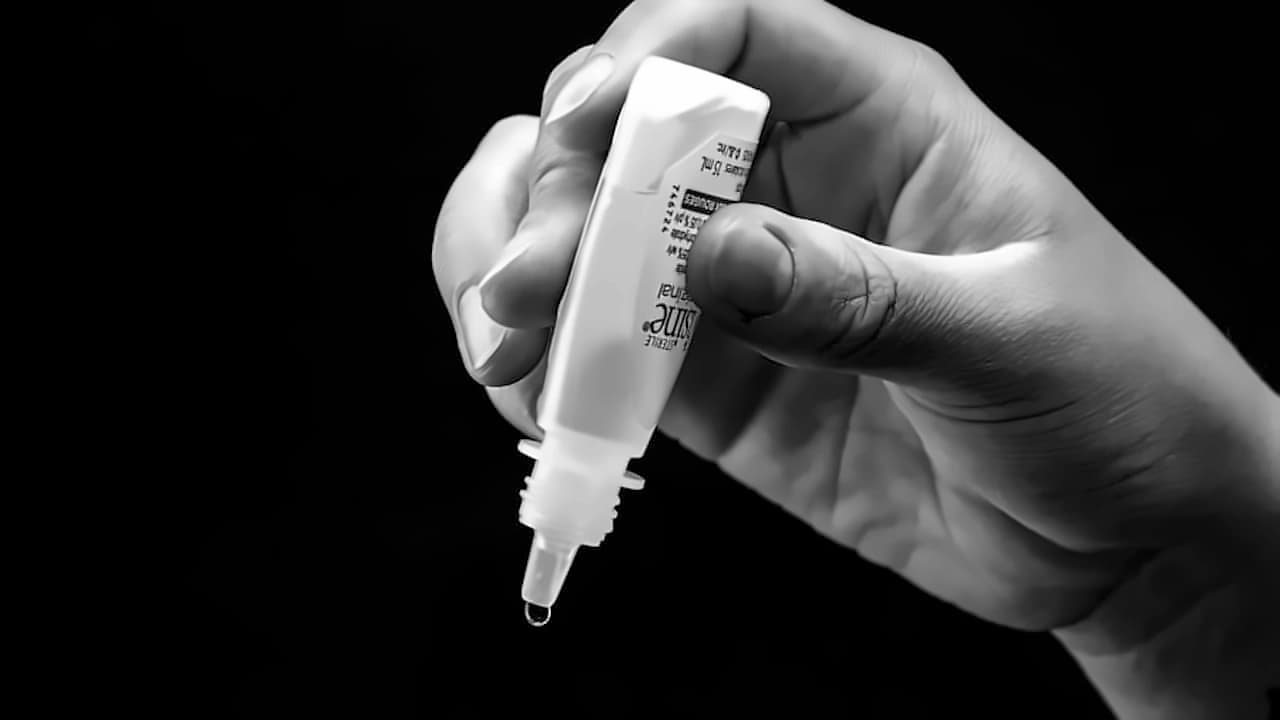
On July 17, 2026, Sun Pharmaceutical Industries Limited issued a confidential letter to distributors, withdrawing 10 eye drop brands including Brinolar, Lotepred, Nepalact OD, Depopred, Brinzotim, and Toba-F over suspected contamination. The company instructed immediate cessation of billing and return of all existing stocks, describing it as a "precautionary measure" while emphasizing that "patient safety remains our highest priority".
The recall affects critical medications used for post-surgical recovery, glaucoma management, and ocular inflammation—high-stakes applications where treatment interruption can have serious consequences. What makes this incident particularly troubling is the simultaneous emergence of contamination concerns across multiple brands, suggesting systemic rather than isolated quality control failures.
Manufacturing Failures and Systemic Quality Issues
The specific manufacturing process failures and facility conditions that led to suspected contamination remain unclear in public disclosures. However, Sun Pharma's history of regulatory compliance issues provides important context. The company currently has three facilities under US FDA warning letters: Halol, Mohali, and Dadra. Transcripts
The Halol facility received an Official Action Indicated classification in May 2022 and was placed under import alert in December 2022 for issues including poor aseptic processes, inadequate cleanroom design, and environmental monitoring failures. The Dadra facility faced similar scrutiny in December 2023, with FDA inspectors finding 450mL of stagnant liquid containing "too numerous to count" yeast and mold, along with microorganisms including Sphingomonas paucimobilis, Bordetella bronchiseptica, and Pseudomonas stutzeri. AnnualReports +2
The presence of BKC FREE formulations among recalled products is particularly significant. Benzalkonium Chloride (BKC) is a common preservative in ophthalmic products. BKC FREE formulations, designed for patients with preservative sensitivity or chronic use, require stricter sterility controls since they lack preservative protection. The fact that both preserved and preservative-free products were recalled suggests contamination occurred in shared manufacturing systems or environmental conditions, rather than formulation-specific issues.
Financial Impact: Manageable but Meaningful
The immediate financial impact appears manageable for a company with ₹4,80,131 crores market capitalization and ₹52,578 crore annual revenue. The ophthalmic segment represents a small portion of total revenue, with India's entire eye drop market valued at approximately $500 million.
This represents less than 0.1% of annual revenue. However, indirect costs including business interruption, market share erosion, and brand damage could push total exposure to $100-200 million over the longer term.
The more significant concern is market share impact.
Analysts estimate potential market share loss of 2-5% in the ophthalmic segment, with recovery taking 12-24 months.
Regulatory and Legal Exposure
Sun Pharma's recall triggers requirements under India's Drugs and Cosmetics Act, 1940 and CDSCO guidelines. The recall system mirrors the FDA's three-tier classification: Class I (serious health risk or death), Class II (temporary harm), and Class III (technical violations). While Sun Pharma has not publicly classified this recall, the precautionary nature suggests Class II.
The company faces potential penalties including fines, license suspension, facility closure, and criminal prosecution for manufacturing adulterated drugs. Under India's Consumer Protection Act, 2019, the company faces strict product liability—patients need not prove negligence, only that products were defective.
Legal exposure could reach ₹500-1000 crores ($6-12 million) if adverse health outcomes are documented, particularly given the vulnerable patient populations affected. The company's history of compliance issues across multiple facilities suggests systemic quality management problems that could exacerbate both regulatory and legal liability.
Supply Chain and Operational Challenges
The recall creates immediate supply shortages for patients dependent on chronic eye drop treatments. Conservative estimates suggest 8-12 weeks for product availability restoration, requiring root cause resolution, production ramp-up, and distribution replenishment.
Coordinating returns from multiple distribution channels while simultaneously producing replacement batches creates significant operational complexity. Reverse logistics challenges include traceability gaps (40% of batches untrackable without serialization), cold chain requirements (30% spoilage risk during returns), and geographic dispersion across India's vast distributor network.
Distributor relationships face severe strain. Financial losses from unsellable inventory, operational disruption, and reputational concerns will likely lead to reduced inventory allocation, increased safety stock for alternative suppliers, and enhanced quality assurance requirements in future agreements. These changes could create permanent market share redistribution.
Confidence Crisis and Communication Challenges
The recall severely impacts patient and physician confidence, particularly for high-stakes applications. Post-surgical recovery and glaucoma management patients face the highest risk, with confidence recovery potentially taking 12-24 months. Physicians may shift prescribing patterns toward competitors with cleaner quality records.
Sun Pharma's communication strategy—emphasizing patient safety while providing limited technical details—falls short of crisis management best practices. Effective crisis response requires transparency, empathy, consistency, and coordination. The company's 2+ week delay between the July 17 letter and public disclosure, combined with lack of specific timelines or technical explanations, creates information vacuums that competitors can exploit.
The "patient safety as highest priority" messaging has limited effectiveness without visible, substantial actions backing it up. To preserve brand equity, Sun Pharma must demonstrate unprecedented transparency about contamination causes, invest significantly in quality system enhancements, and establish industry leadership in ophthalmic sterility standards.
Future Launch Implications and Strategic Response
The recall will significantly impact Sun Pharma's ability to launch new ophthalmic products. The regulatory landscape for ophthalmic formulations has shifted, with traditional eye drops now classified as drug-device combination products, exponentially increasing compliance complexity. Heightened regulatory scrutiny will extend development timelines by 6-12 months and increase commercialization costs by 25-50%.
Future launches will face enhanced physician adoption barriers, payer and formulary challenges, and competitive disadvantages for companies with quality issues. Sun Pharma must implement comprehensive corrective actions including environmental monitoring enhancement, aseptic process validation, equipment sanitization, and quality system strengthening.
The company faces a critical trade-off between accelerating production to restore availability versus ensuring enhanced quality control. A balanced 8-12 week approach provides optimal compromise, allowing critical corrective actions while enabling progressive supply restoration with enhanced oversight.
This includes advanced aseptic processing equipment ($15-25M), digital quality management systems ($8-12M), facility infrastructure upgrades ($20-30M), and AI-powered quality analytics ($10-15M).
The Path Forward
Sun Pharma's contamination recall represents a significant confidence crisis that will impact the company for 12-24 months minimum. The financial costs are manageable, but the reputational damage and market share erosion pose longer-term strategic challenges.
Success depends on executive commitment, substantial resource allocation, and cultural transformation toward quality excellence. The investments in advanced manufacturing technologies and digital quality systems will not only address current issues but could position Sun Pharma as a quality leader in the ophthalmic market, potentially transforming this crisis into a competitive advantage.
The company must move beyond generic safety statements to demonstrate specific, measurable quality improvements. Only through unprecedented transparency, substantial investment, and sustained commitment to manufacturing excellence can Sun Pharma rebuild trust and restore its position in the critical ophthalmic market segment.