Steel's Perfect Storm: When Costs Rise and Supply Chains Break
Here's the thing about making steel in India right now—it's like trying to bake a cake when someone keeps jacking up the price of flour, eggs, and even the oven gas, all while your delivery truck can't get through traffic. The industry is navigating a perfect storm of cost pressures, and it's fascinating to watch how companies are adapting.
The Cost Squeeze
Let's start with the basics. NMDC, the state-owned mining giant, decided to raise iron ore prices by about 11% in April 2026. Baila Lump ore now costs ₹5,300 per tonne, up from ₹4,800, while Baila Fines jumped to ₹4,500 from ₹4,050. That might not sound like much until you realize iron ore makes up roughly 25-30% of what it costs to produce steel. An 11% hike there translates to about a 3% increase in total production costs.
Steel companies responded by pushing up their own prices. Hot Rolled (HR) coils, the bread and butter of the industry, now cost around ₹64,500 per tonne after a ₹3,500 increase. Cold Rolled (CR) coils climbed by ₹3,000 to roughly ₹68,000 per tonne. Here's the math that keeps CFOs up at night: the price increase represents about 5.4% of the new HR coil price, but iron ore costs rose 11%. They're not fully passing through the cost inflation.
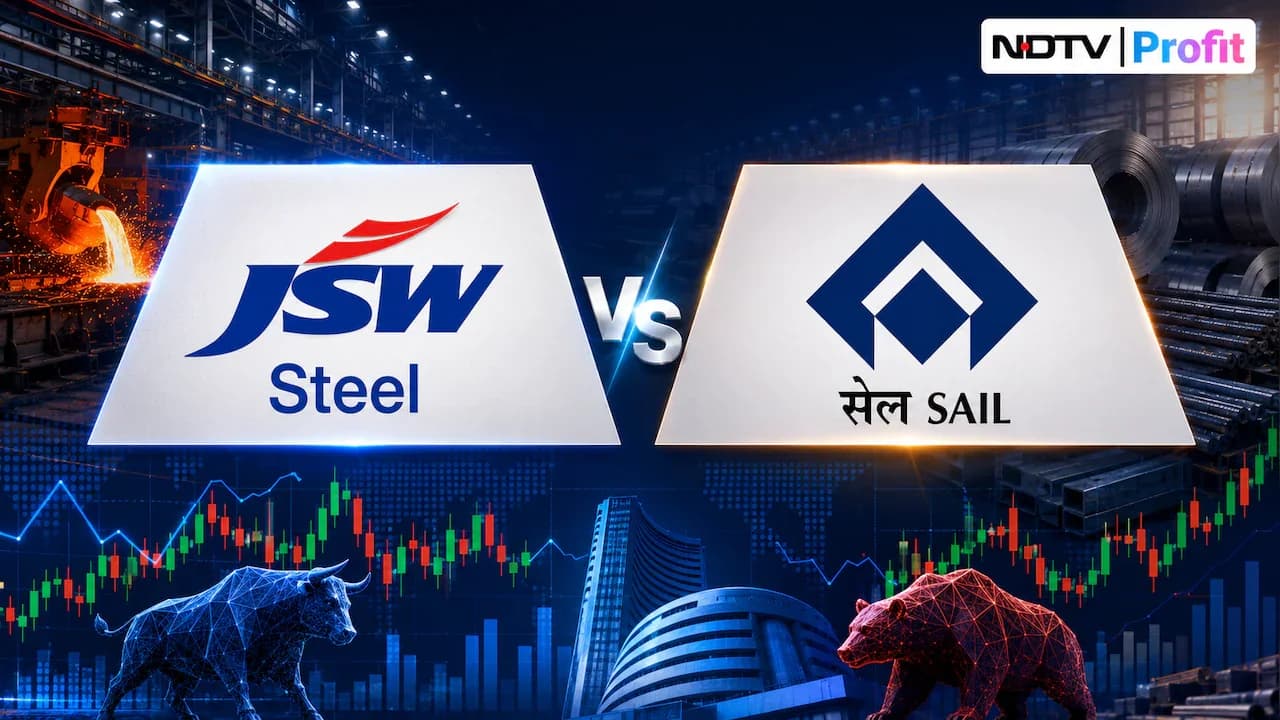
The margin pressure is real. Tata Steel and JSW Steel both operate with EBITDA margins around 12-14%, while Steel Authority of India (SAIL) sits at about 11%. When you're running that thin, a 3% cost increase hurts. Analysts expect margins to compress by 50-100 basis points in the June quarter alone. Jindal Steel & Power has it slightly better at 19% EBITDA, but nobody's immune.
The West Asia Factor
Now, layer on the geopolitical mess. The West Asia conflict has done something wild to shipping costs—war-risk insurance premiums have jumped 400-1,200%. A large tanker that used to cost ₹3-6 crore to insure per voyage now faces ₹15-75 crore in charges. That's not a typo.
Vessels are avoiding the Strait of Hormuz, adding 10-15 days to journeys and burning more fuel. Freight costs are up about 40% overall. For coking coal, which India imports 90% of, this means landed costs climbed from about $240.50 to $277.25 per tonne—a 15.3% increase. That's roughly a $20 per tonne competitive disadvantage versus China, which has domestic coal resources.
The inventory strategy has completely flipped. Companies used to run lean, keeping 30-45 days of raw materials on hand. Now they're holding 60-90 days of stock. Smart move for supply security, but it ties up an extra ₹500-700 crore in working capital for major producers like Tata and JSW. That's real money that could've gone elsewhere.
The Energy Crisis
Speaking of gas, here's another headache. LNG prices surged 50% to $23.3-23.5 per million British thermal units, and India gets 67% of its LNG from the Middle East. The government prioritized household gas supply, so industries got squeezed. Gujarat Gas cut industrial supply by 50%, and GSPC slashed it by 70%.
The downstream impact is fascinating. Powder coating and welding operations need propane or LPG, and stocks were down to just 10 days of cover. Galvanized and colour-coated steel production—about 12-14 million tonnes annually—took a hit. Automotive and appliance manufacturers, who rely heavily on coated steel, saw production drop 20-40%. That's demand disappearing right when steel companies need it most.
Some companies got creative. Jindal Steel & Power extended its coal gasification capabilities from DRI production to galvanizing and coating lines. They commissioned the world's first coal gasification-based DRI plant back in 2014, and that investment is paying off now. When gas is scarce, they make their own fuel from domestic coal. Clever.
Who Wins, Who Loses?
Here's where it gets interesting. The iron ore price hike created an ₹800 per tonne gap between lump and fines ore. Companies with beneficiation capabilities—like Tata and JSW—can process lower-grade fines into usable material and save ₹200-300 per tonne compared to buying lump on the market. SAIL has partial capability, while Jindal is more market-dependent. This isn't just about cost; it's about competitive advantage.
The demand picture is stable but not spectacular. India's steel demand is projected to grow 10% in 2026 to 179.3 million tonnes, slightly outpacing supply growth of 9.6% to 180.3 million tonnes. That's a 0.4 percentage point gap—enough to support prices but not enough to go crazy with further hikes.
Infrastructure spending provides a floor. The government proposed ₹12.2 lakh crore in public capital expenditure for FY2026-27, up 9% year-on-year. Roads, railways, and urban development don't stop just because steel gets pricier. But automotive and consumer goods? They're price-sensitive. Push HR coils above ₹70,000 per tonne, and demand starts eroding fast.
The Strategic Pivot
The smart money isn't just waiting for this to blow over. Companies are fundamentally rethinking how they source materials. Enlight Metals put it well: "multiple pressures across currency, raw materials, energy and demand converging at the same time." This isn't temporary; it's structural.
Digital procurement is the new normal. AI-powered platforms, real-time pricing visibility, automated workflows—Tata Steel alone has deployed over 260 algorithms for real-time decision-making. This isn't just tech for tech's sake; it delivers 20-30% cost reductions in procurement operations.
The bigger play is backward integration. India's "Mission Coking Coal" aims to scale domestic production to 140 million tonnes by FY30, reducing import dependence from 90% to below 80%. The government's offering capital subsidies for washeries and allowing 100% FDI in mining. Tata Steel acquired a stake in Thriveni Pellets for raw material security. Jindal is investing in coal gasification and even a green hydrogen plant.
International partnerships are heating up too. India's engaging with Argentina for lithium, Indonesia for nickel, and Oman for iron ore. Steel Exchange India formed a strategic alliance with IMR Group, which operates in 17+ countries and will supply metallurgical coke and coking coal.
What's Next?
The June quarter (Q1 FY27) will be rough. Energy costs are up 50%, gas supplies are constrained, and labor costs are rising 9.1%. Margin compression of 200-300 basis points is likely. Secondary producers and coated steel specialists will feel it most.
But looking further out, the companies that emerge strongest will be those that combine raw material security with technology leadership. Fully integrated players like Tata and JSW are positioned to maintain EBITDA margins around 14-16.5% over the medium term, while market-dependent players face sustained pressure.
The industry's undergoing a quiet transformation. From reactive spot buying to proactive strategic sourcing. from just-in-time inventory to just-in-case buffers. from cost-push pricing to value-based differentiation. It's not just about surviving the current storm—it's about building ships that can weather the next one.
As Enlight Metals CEO Vedant Goel noted, "resilience will belong to businesses that combine foresight, transparency, and speed in their sourcing strategies." That's the new playbook for Indian steel.