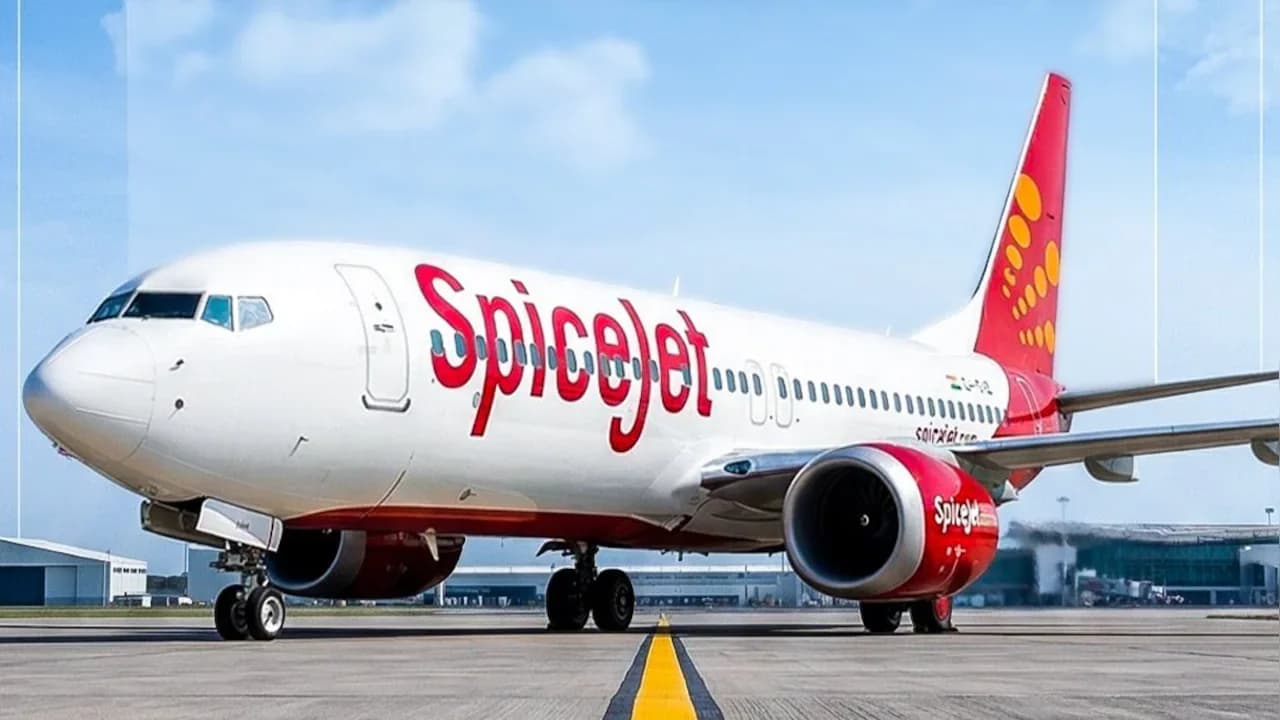
SpiceJet's operational collapse has been nothing short of dramatic.
This wasn't a planned downsizing; it was a forced retreat driven primarily by the return of leased aircraft to lessors. Major players like Engine Lease Finance BV, Willis Lease Finance, Aircastle Ireland, Wilmington Trust SP Services, and Celestial Aviation all repossessed assets due to unpaid dues. The airline's wet-leased fleet alone shrank from 13 to seven aircraft, a nearly 50% reduction in capacity that directly crippled operations.
The impact on connectivity was immediate and severe. With aircraft vanishing from the fleet, SpiceJet had no choice but to suspend services from key cities including Chennai, Guwahati, and Varanasi. Chennai was particularly hard hit—the airline went from operating 12 daily flights connecting the city to major hubs like Mumbai, Kolkata, and Bengaluru to zero operations. This wasn't a temporary seasonal adjustment; it was a direct consequence of having no planes to fly. By July 2026, the airline was scheduling 44% fewer flights compared to April, with actual departures falling from 4,812 in January to just 2,956 in May according to DGCA data.
While SpiceJet management has pointed to scheduled maintenance and C-Checks as a factor, the evidence overwhelmingly points to lessor repossessions as the primary driver. The company claims three aircraft will return in July, followed by two in August and more later in the year. However, the trajectory—from 33 aircraft in December 2025 to 21 in May 2026 to 12-13 by July—shows an accelerating decline inconsistent with routine maintenance. The wet-lease fleet collapse and documented repossession actions by multiple lessors tell the real story: this is a financial crisis manifesting as an operational collapse.
Capital Raises That Couldn't Plug the Hole
On paper, this should have been a lifeline. In practice, it was barely a tourniquet. The funds were quickly deployed—₹602 crore to clear statutory dues, ₹698 crore for creditor liabilities, ₹228 crore for ungrounding aircraft, and ₹120 crore for employee salaries. But the airline's obligations ran far deeper. It owed ₹427 crore in accumulated statutory dues, ₹118.9 crore in employee salary arrears, ₹290 crore in airport dues, and approximately ₹3,700 crore in lessor liabilities. The capital raise was simply too small to address the mountain of debt. InvestorPresentations
The liquidity crunch has persisted with brutal consequences. By June 2026, employees across departments—pilots, engineering staff, ground handlers, even loaders and drivers—hadn't been paid since March. March salaries were released only for those earning up to ₹51,000, while February salaries were paid as late as May. The airline's liquidity challenges long predate the recent West Asia crisis; they are structural and deep-seated. External pressures have only made things worse. Aviation turbine fuel prices have surged, and the depreciating rupee has increased the cost of aircraft leases and maintenance, which are largely foreign currency-denominated. SpiceJet reported a net loss of ₹197 crore in Q3 FY26, with higher fuel costs and rupee depreciation weighing heavily on expenses.
This strategy has come at a steep cost. The airline has routinely delayed employee salaries, with internal communications citing payments to lessors as the priority. More dangerously, it failed to remit over ₹65.7 crore in employee provident fund contributions deducted between June 2022 and July 2024, violating the mandatory 15-day remittance rule. This trade-off—keeping planes flying by shortchanging employees and statutory obligations—has now landed the airline in criminal trouble.
Legal and Regulatory Storm Clouds
The consequences of those payment prioritization decisions have now arrived with full force. In September 2024, the Employees' Provident Fund Organisation (EPFO) filed a complaint with the Delhi Police's Economic Offences Wing (EOW). The result: a criminal case against Managing Director Ajay Singh and four other senior officials for cheating and criminal conspiracy. The FIR alleges that SpiceJet deducted 12% of employees' salaries for PF but failed to credit the amounts to employee accounts for over two years. While the company claims to have deposited ten months of PF dues after the QIP, the criminal case proceeds—a stark reminder that financial distress doesn't exempt corporate leaders from statutory obligations.
Amidst this legal turmoil, questions are mounting about regulatory inaction. Industry observers have raised concerns that SpiceJet continues to sell more seats than its available fleet can reliably operate, resulting in flight cancellations and prolonged delays. Yet the Directorate General of Civil Aviation (DGCA) and Ministry of Civil Aviation have not intervened publicly. This regulatory forbearance may reflect systemic concerns—India's aviation sector is under stress, with only four of eleven airlines reporting profit in 2025. The government has even approved a ₹5,000 crore Emergency Credit Line Guarantee Scheme (ECLGS) 5.0 specifically for airlines facing West Asia-related pressures. But the lack of enforcement on overbooking and consumer protection issues raises questions about regulatory priorities.
Compounding these pressures is the long-running dispute with Kalanithi Maran and KAL Airways. The Supreme Court has directed SpiceJet to approach the Delhi High Court for an extension on depositing ₹144 crore, rejecting the airline's plea for relief. The Delhi High Court has taken a strict stance, rejecting SpiceJet's offer to pledge property as security and imposing ₹50,000 in costs for what it called "a complete abuse of the process of law." The dispute dates back to 2015 and has already seen SpiceJet pay approximately ₹730 crore. This ₹144 crore payment obligation comes at the worst possible time, when the airline is already scrambling for cash to meet operational needs.
The Road Ahead: Lifelines and Long Odds
Against this backdrop of crisis, the government's ECLGS 5.0 scheme offers a potential lifeline. SpiceJet can access up to ₹1,500 crore under the program, which provides 90% guarantee coverage for airlines with a seven-year tenure including a two-year moratorium. This could cover the airline's immediate cash requirements of approximately ₹276 crore, including the Maran payment, PF dues, and engine lessor obligations. The two-year moratorium provides crucial breathing room on debt service. However, while ECLGS access is lifesaving for SpiceJet, it's merely supplementary for competitors like IndiGo, which reported a net profit of ₹8,172 crore in FY24 and operates 440+ aircraft.
SpiceJet's recovery plan hinges on ambitious fleet expansion. The airline plans to induct 10 leased aircraft each in October and November 2026, part of a broader target to reach 35 damp-leased aircraft. This would more than double its current operational fleet of 12-13 aircraft. But execution risk is enormous. The airline has a poor track record of meeting previous expansion targets, and its current operational metrics are dismal—on-time performance of just 43% compared to IndiGo's 88.7%. The competitive landscape has also shifted dramatically.
SpiceJet's market share has eroded from 3.8% in March 2026 to just 2.0% in August 2026.
The effectiveness of SpiceJet's recovery strategy depends on three critical factors: flawless execution of fleet expansion, dramatic operational improvement, and sustained financial discipline. The airline must induct 20 aircraft on schedule, restore reliability to win back passenger trust, and utilize ECLGS funds effectively rather than treating them as a temporary fix. Without these elements, SpiceJet risks continued market share erosion and potential insolvency. The ECLGS lifeline and ambitious expansion plans offer a path forward, but in an industry dominated by well-capitalized competitors and unforgiving of operational failure, SpiceJet's margin for error has vanished. The airline is fighting for survival on multiple fronts—legal, financial, operational, and competitive—and the outcome remains deeply uncertain.