SpiceJet shares surged 10% to hit the upper circuit on Thursday, July 23, marking the fourth consecutive session of gains for the budget carrier. The stock reached its intraday high of ₹12.32, gaining ₹1.12 from its last closing price of ₹11.20 following the company's announcement of fleet expansion plans. According to Business Standard, the small-cap airline stock witnessed higher-than-average volumes with 10.76 million shares traded as of 12:55 AM, significantly above its two-week average of 3.94 million shares. There were only buy orders for 7.60 million shares at the time of reporting, demonstrating strong investor interest in the fleet expansion news.
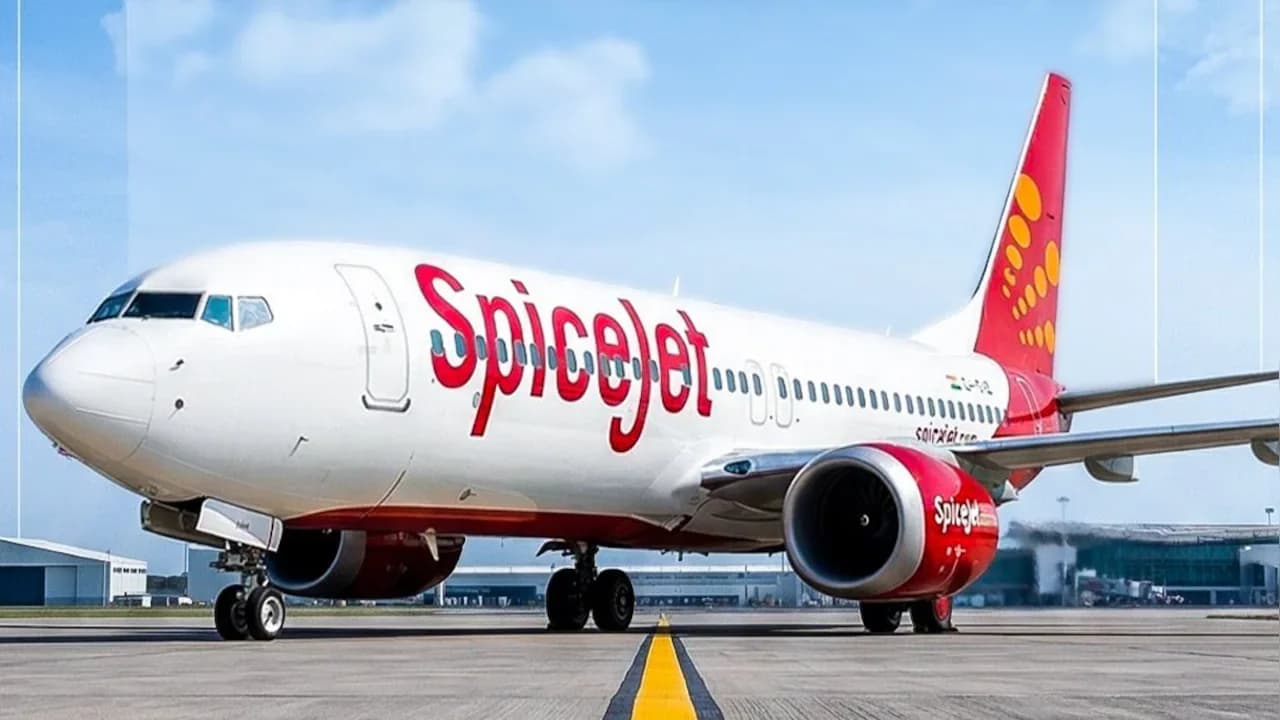
The airline announced plans to induct three Airbus A320 aircraft on a damp lease basis, with all three aircraft having already arrived in India. As reported by Essential Business Intelligence, these aircraft are scheduled to commence commercial operations later this week. The damp lease arrangement includes leasing the aircraft along with pilots and maintenance services, while SpiceJet will provide its own cabin crew for operations. The airline stated that the additional aircraft will support network expansion plans and enable enhanced connectivity across key domestic routes, providing greater operational flexibility while delivering significant cost efficiencies. According to Livemint, the damp-lease model is expected to provide the airline with greater operational flexibility and improved cost efficiencies. The airline indicated it is in advanced negotiations with several aircraft lessors to bring in more planes over the coming months as part of its ongoing fleet expansion programme.
In a concerning development for SpiceJet, the airline's market share dropped to 1.9% in June from 2.5% in May, as reported by the Directorate General of Civil Aviation (DGCA). This decline came amid a broader industry downturn, with domestic air traffic falling nearly 12% to 13.5 million passengers in June compared to 15.3 million in May. India's biggest airline IndiGo saw its market share increase to 66.3% in June from 64.9% in May, highlighting the competitive pressures facing SpiceJet. The decline was attributed to airlines temporarily curtailing networks due to surging fuel prices from the West Asia conflict, creating additional operational challenges for the budget carrier.
According to the company statement, the additional aircraft will support network expansion plans and enable enhanced connectivity across key domestic routes. Debojo Maharshi, Chief Business Officer at SpiceJet, emphasized that "The induction of these three aircraft is part of our planned capacity expansion. As demand continues to grow, these aircraft will help us add more flights on existing routes, improve connectivity and support the launch of new services. We are steadily building capacity ahead of the busy travel season and remain focused on offering our passengers a wider choice of destinations and a reliable travel experience." The airline indicated it is in advanced negotiations with several aircraft lessors to bring in more planes over the coming months as part of its planned fleet augmentation programme. The latest induction follows earlier efforts by the airline to enhance its fleet and operational capabilities, with SpiceJet having finalised a lease agreement for three Airbus A320 aircraft in June that were slated to join its fleet during July 2026.
In a significant development related to fleet optimization, lessors of financially stressed SpiceJet have approached the aviation regulator seeking deregistration of four Boeing 737-8 MAX aircraft. According to public notices issued by the Directorate General of Civil Aviation (DGCA), Ireland-based lessors Sky High LXXX Leasing Company Ltd and Sky High LXXVII Leasing Company Ltd have submitted requests under the Irrevocable Deregistration and Export Request Authorisation (IDERA) framework for the four leased aircraft. The aircraft for which deregistration has been requested are registered as VT-MXA, VT-MXC, VT-MAX and VT-MXB. A SpiceJet spokesperson confirmed that the four Boeing 737 MAX aircraft have remained grounded for a prolonged period due to High Pressure Turbine (HPT) manufacturing issues affecting their engines. "The deregistration of these aircraft will eliminate lease rental costs on assets that have remained non-operational for a prolonged period. There is no impact on the airline's operations, as these aircraft have been out of service for a considerable time," the spokesperson stated.