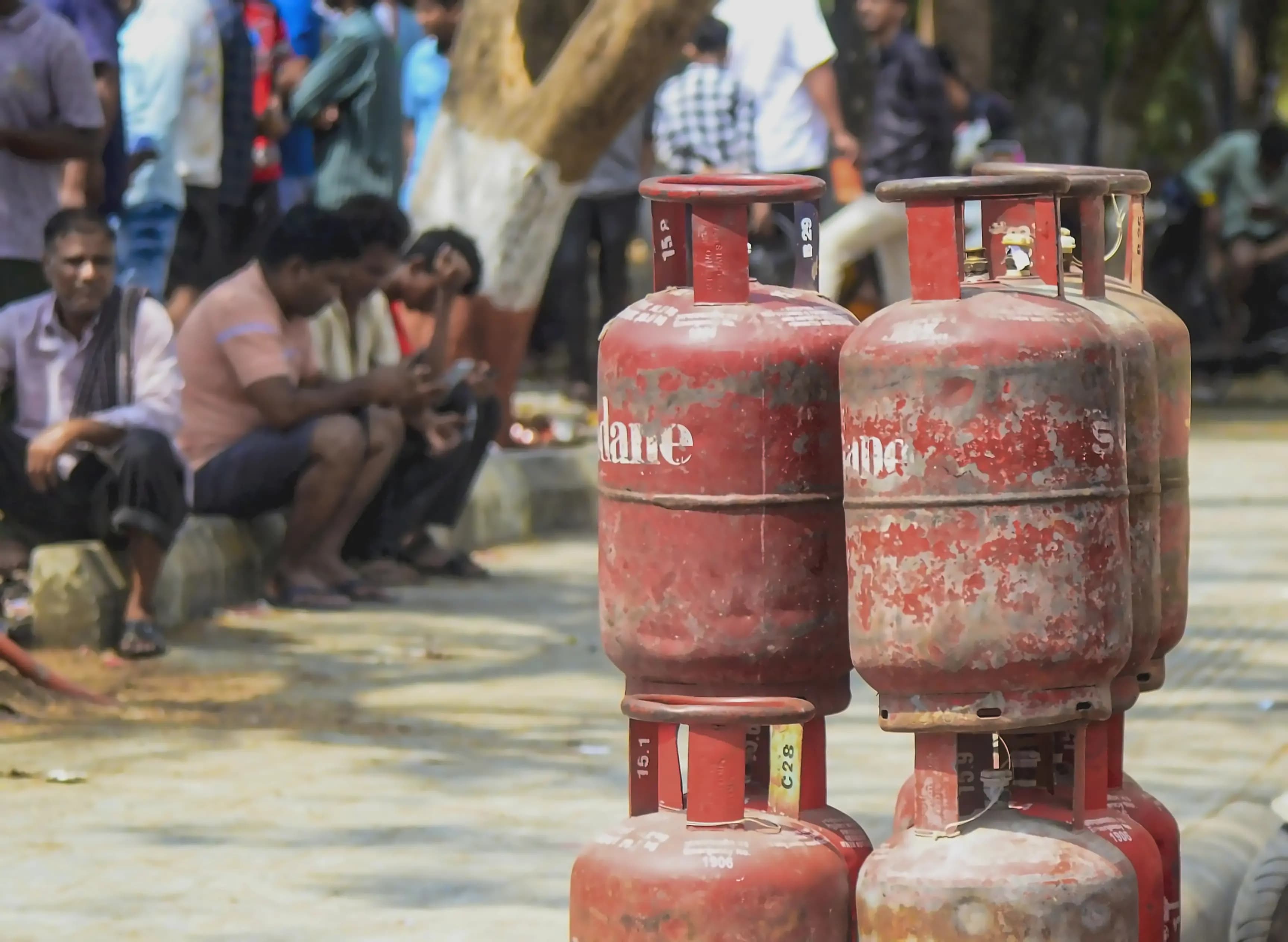
Imagine running the world's largest refinery while the world's biggest economies argue over where you should buy your crude. That's roughly the spot Reliance Industries finds itself in right now. The company is caught in a geopolitical tug-of-war between Russian discounts, US pressure, and Venezuelan opportunity. It's not just about getting the cheapest barrel anymore—it's about which barrel comes with the least political baggage.
The Tariff Shadow Over Russian Oil
Here's the backdrop. The Lindsey O. Graham Sanctioning Russia and Iran Act of 2026 gave the US President power to slap tariffs of up to 100% on the top five buyers of Russian oil and gas. India, which gets roughly 44% of its oil imports from Russia, was squarely in the crosshairs. For a moment, it looked like Reliance's heavy reliance on Russian Urals crude could become a massive liability.
But then came the waiver. On October 16, President Trump invoked Section 115 of the Graham Act, suspending those tariffs and sanctions in the name of national interest. The waiver doesn't have a fixed expiry date—it lasts until the President or Secretary of State decides otherwise. That gives Reliance some breathing room, but it's hardly a permanent fix. The Office of the US Trade Representative is now monitoring Russian energy purchases and will report back on whether further action is needed. In other words, the gun is still on the table, just not pointed directly at anyone's head right now.
The Venezuelan Opportunity and Its Limits
This is where Venezuela enters the picture. The Trump administration, having helped topple President Nicolas Maduro in January, is now looking for buyers for Venezuelan crude. Reliance, with its Jamnagar complex capable of processing heavy, high-sulphur crude, is the obvious candidate. The company already accounts for about 76% of India's Venezuelan crude imports.
On paper, the economics look tempting. Venezuela's flagship Merey grade trades at a discount—reports suggest anywhere from $16 to $25 per barrel below Brent. But here's the catch: freight. Shipping Merey from Venezuela to India's west coast takes about 45 days and costs roughly $33–$35 per barrel. That often turns the discount into a landed premium. Plus, those long voyages tie up working capital for weeks and expose Reliance to price volatility while the cargo is at sea.
Reliance's position as the dominant buyer of Venezuelan crude does give it bargaining power, but it's not unlimited. Washington needs a market for Venezuelan barrels, but Reliance still has to make the economics work. The company has processed Merey before and knows how to handle it, which gives it an edge over other Indian refiners. Yet, high tanker rates and the sheer distance make Venezuelan crude a supplementary option rather than a wholesale replacement for Russian supplies.
The US Crude Calculus
Then there's the US angle. Reliance is investing in America, backing a planned refinery at the Port of Brownsville, Texas, with a 20-year offtake agreement expected to start around 2029. That's a long-term bet, not a quick fix for today's crude slate.
Right now, US Gulf Coast crude faces its own freight hurdle. Moving a VLCC from the US Gulf to China costs about $29 per barrel, compared to $15.6 from the Gulf of Oman. Those rates have hit record highs, driven by disruptions in the Strait of Hormuz and Red Sea. For Reliance, US crude offers diversification and political goodwill, but the landed cost is steep. The company hasn't disclosed its specific US crude economics, but the freight math suggests it's not a bargain hunter's paradise—at least not yet.
The Margin Puzzle at Jamnagar
So, how does all this affect refining margins at Jamnagar? It's complicated. Russian Urals crude has been trading at wild swings—from a $10-plus discount to a premium against Brent within months. When Urals is cheap, it's a margin booster. When it flips to a premium, that advantage evaporates.
Venezuelan Merey is heavy and sulphurous, yielding fewer light fuels per barrel. Jamnagar can handle it, but the processing costs are higher. Add in the freight premium, and the margin benefit looks questionable. US crude might offer better yields, but again, freight eats into the upside.
Reliance management has been blunt about this: product margins look strong on paper, but rising Middle East official selling price premiums, freight costs that jumped tenfold, and soaring insurance mean the gains don't fully flow through to the bottom line. The company ran at 96–97% throughput during recent disruptions, while other Asian refiners ran 15–20% lower. That operational flexibility is a competitive advantage, but it doesn't solve the crude cost equation. Transcript +1
Working Capital and Payment Shifts
There's also the working capital angle. Russian crude is increasingly paid for in alternative currencies—rupees deposited into special overseas accounts, then converted into UAE dirhams or Chinese yuan. This reduces dollar dependence but adds complexity. Shifting to dollar-denominated transactions with US companies would simplify banking but increase currency risk, especially with the rupee under pressure.
Longer voyages from Venezuela and the US mean more capital tied up in inventory. Cargoes spend six weeks or more at sea, raising carrying costs and exposure to price swings. Reliance's supplier finance arrangements stood at ₹76,377 crore at the end of March 2026, down from the previous year. If payment terms tighten or voyages lengthen, that number could climb, putting pressure on cash flow. Annual Report
The RELOS Factor and Sanctions Risk
The India–Russia Reciprocal Exchange of Logistics Support (RELOS) agreement, operationalised in January 2026, adds another layer. It's a military logistics pact allowing mutual access to ports and supplies for exercises and disaster relief. It doesn't directly target oil trade, but it signals deepening defence ties with Moscow.
The Graham Act targets Russian energy purchases and sanctions evasion networks, not logistics agreements. However, Washington could view RELOS as a sign of India's closeness to Russia, potentially influencing how it treats India on trade and sanctions. Reliance itself hasn't disclosed any RELOS-related risks, and I found no evidence of a direct link between the pact and the company's operations. The risk is political, not legal—at least for now. Transcript
Secondary sanctions are a real concern. The Graham Act's waiver doesn't affect pre-existing sanctions on Russian entities. If Reliance deals with sanctioned vessels or companies, it could face exposure. The company has previously cut back when sanctions hit and has approached national oil companies early to secure crude. Its growing US partnerships, like the Brownsville offtake, give it goodwill in Washington but don't provide legal immunity. Transcript
Supply Reliability and the ADNOC Reserve Link
On supply reliability, Russian crude has a stable demand base in India but faces vessel sanctions and shadow fleet constraints. Venezuelan crude has a favourable US policy stance now, but that could change. The licenses easing Venezuela sanctions are discretionary and come with conditions, such as US-law contracts and payments into designated accounts.
The ADNOC strategic reserve partnership with India's ISPRL—exploring up to 30 million barrels of storage in India and Fujairah—could play a role in buffering supply shocks. But it's a government-to-government deal, not a Reliance-specific arrangement. If Reliance shifts toward longer-haul Atlantic crude, having reserve storage closer to source or on India's coast could cushion delays. However, the reserves hold Middle East barrels, which still face Hormuz risks. Any Reliance access would need separate government arrangements.
The China Competitive Edge
Reliance might gain a competitive edge over Chinese refiners, particularly the independent "teapot" refineries. China's teapots are squeezed by overcapacity and have faced US sanctions for buying Iranian oil. Venezuelan access to China has dropped sharply due to US enforcement. Reliance's ability to process heavy Venezuelan crude, combined with a more compliant US-facing profile, could give it sourcing flexibility that Chinese rivals lack.
But again, freight is the great equaliser. High Atlantic-to-Asia freight rates are pushing all Asian refiners toward shorter-haul Middle East barrels. Reliance's advantage isn't just about access—it's about having the refinery complexity to handle whatever crude makes economic sense at the moment.
The European Export Dimension
Then there's Europe. The EU banned imports of refined products made from Russian crude from January 21, 2026. Reliance responded by stopping Russian crude at its export-focused Special Economic Zone (SEZ) refinery, routing it only to its domestic refinery. That move protects its EU exports, which are significant—Reliance's Sikka terminals alone accounted for 58.9 million barrels of Russian-derived product exports to the EU in 2025.
Shifting to US and Venezuelan crude wouldn't change EU eligibility—Reliance already meets that by segregating crude. The margin impact would come from crude cost and yields. Product cracks have been strong, driven by Russian refining losses and low inventories, but higher crude and freight costs eat into those gains. Transcript +2
The Bottom Line
Reliance is walking a tightrope. Russian crude offers discounts but comes with political risk and volatile pricing. Venezuelan crude offers diversification but faces freight and reliability hurdles. US crude offers long-term partnership but at a high freight cost. The Graham Act waiver buys time, but the underlying pressure hasn't gone away.
The company's strategy seems to be: keep all options open, use Jamnagar's flexibility to adapt, and let the economics dictate the mix. It's a high-stakes game, but Reliance has the scale and sophistication to play it. The question is whether the politics will let the economics win.