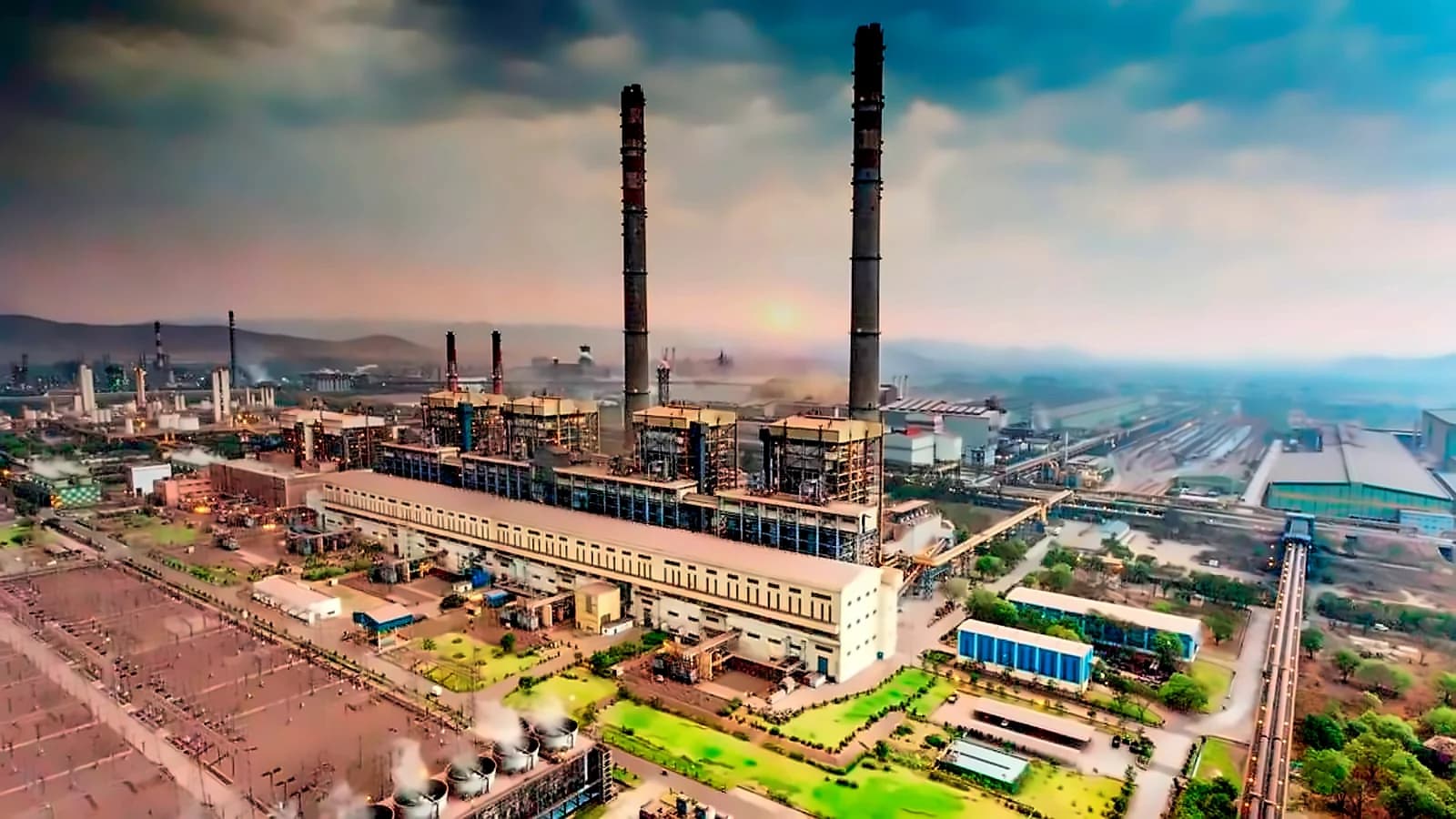
The USFDA's seven observations at Cipla Ltd's Pithampur facility represent a manageable regulatory challenge rather than a crisis. The inspection, conducted August 17-25, 2026, follows a follow-up cGMP review, indicating ongoing quality monitoring rather than acute compliance failure. While specific observation details remain undisclosed, Cipla's commitment to address issues within stipulated timeframes suggests a measured approach to remediation. Others
The immediate impact on US exports appears limited. Cipla typically continues operations during observation resolution, and the facility's role in its broader manufacturing network provides operational flexibility. However, compliance costs will rise in the near term—investments in quality infrastructure, process modifications, and documentation enhancements are inevitable. Remediation typically spans 3-6 months for complex observations, with potential follow-up inspections adding 6-12 months to the timeline.
Financially, Cipla enters this period from a position of strength. Q1 FY27 revenue grew 7.37% to ₹7,287.92 crore, with net profit up 8.77% to ₹1,081.93 crore. The company maintains FY27 EBITDA margin guidance of 18.5%-20%, suggesting capacity to absorb remediation costs without material margin compression. The real risk lies not in immediate export restrictions, but in the opportunity cost of management attention diverted from growth initiatives to compliance matters. Transcripts
Strategic Diversification in Beverages
Varun Beverages's entry into alcoholic beverages through a Carlsberg partnership in African markets represents a calculated geographic and category expansion. The company will initially distribute and import Carlsberg products in Zambia, Zimbabwe, DRC, and South Africa, transitioning to local manufacturing once market response validates the approach. This strategy minimizes upfront capital while testing market acceptance. Transcripts
Financially, Varun Beverages enters this expansion from a position of exceptional strength. Q1 FY27 revenue surged 28.14% to ₹8,555.61 crore, with net profit doubling 100.68% to ₹1,525.36 crore. EBITDA margins stand at a healthy 28.56%, and the debt-equity ratio of 0.15 provides substantial headroom for measured investment. The company's free cash flow of ₹770.21 crore in FY26 demonstrates strong cash generation capabilities. Transcripts
The diversification trade-off involves near-term margin pressure during the import phase, offset by long-term operating leverage when local manufacturing commences. Working capital requirements will increase moderately, but shared distribution infrastructure with existing soft drink operations in Africa provides natural synergies. The phased approach—starting with one territory at a time—reflects disciplined capital allocation typical of the company's conservative financial management. Transcripts +1
Meanwhile, United Breweries faces different strategic dynamics as it expands Heineken Silver to Kerala, Odisha, and Madhya Pradesh. The premiumization strategy is essential for defending market leadership in India's competitive beer market, where United Breweries commands 54% share. However, Q1 FY27 results show margin pressure—net profit declined 9.65% to ₹166.28 crore despite 8.42% revenue growth, highlighting the cost of premium investments. Transcripts
The expansion creates potential portfolio conflicts between premium Heineken Silver and economy brands like London Pilsner, which United Breweries recently launched in Odisha. Managing this portfolio complexity while investing in new capacity—including greenfield breweries in Uttar Pradesh and the East region—requires careful balancing of growth and profitability. Transcripts
Fintech Valuation and Investor Monetization
Ribbit Capital's decision to sell a 1.6% stake in Billionbrains Garage Ventures (parent of Groww) at a floor price of ₹195 per share reflects disciplined venture capital portfolio management rather than diminished confidence in the company. The ₹1,914 crore block sale represents a 3.95% discount to Groww's closing price of ₹203.01, reasonable pricing for institutional buyers while providing Ribbit attractive exit valuation.
The transaction occurs against strong operational fundamentals.
The company commands 39% of India's electric passenger vehicle market, having widened its lead despite intensifying competition. However, declining ROE from 49.92% in FY25 to 28.81% in FY26 suggests maturing growth dynamics. Transcripts
The block deal will reduce Ribbit's stake from 10.10% to approximately 8.5%, improving shareholding diversity while maintaining significant continued exposure.
For Groww, the successful pricing validates current valuation multiples despite concerns about moderating derivatives revenue and regulatory pressures on retail F&O participation. Transcripts
Technology Integration in Automotive
The collaboration between Tata Motors Passenger Vehicles and Tata Communications to integrate 5G cellular connectivity in the Sierra.ev represents a strategic leap in India's connected vehicle market. By leveraging Tata Communications' MOVE™ Connected Vehicle Platform with TMPV's new SDV platform N.IO, this partnership positions Tata Motors at the forefront of automotive software-defined mobility.
The competitive advantages are significant. Tata Motors commands 39% of India's EV market, with Q1 FY27 EV sales doubling to 32,283 units. The 5G integration provides first-mover leadership in India's connected EV market, enhanced value proposition through advanced SDV capabilities, and premium positioning in the growing full-size SUV EV segment. The global SDV market is projected to grow from $204.17 billion in 2025 to $2,303.82 billion by 2034, with Asia Pacific leading at 31.2% CAGR.
However, the cost-benefit analysis requires careful consideration. R&D investment in software development, connectivity integration, and cybersecurity will be substantial. The company's strong Q1 FY27 performance—revenue of ₹20,576 crore (+19.74% YoY) and net profit of ₹2,556 crore (+82.96% YoY)—provides the financial foundation for these investments. Pricing strategy will need to balance competitive positioning with premium differentiation, leveraging the unique 5G and SDV capabilities to justify premium pricing while developing subscription-based models for recurring revenue. Transcripts
PSU Disinvestment and Market Sentiment
Hindustan Copper's Offer for Sale being oversubscribed 3.41 times on the first day reflects strong institutional confidence in both the company's fundamentals and the broader PSU disinvestment program. Institutional investors placed bids worth over ₹4,600 crore for 8.91 crore shares against 2.61 crore shares reserved, prompting the government to exercise the entire green shoe option and expand the total stake sale to 6%.
The strong response is driven by Hindustan Copper's attractive valuation—the floor price of ₹514 represents a 10.38% discount to market price—and compelling growth story. India's copper demand is projected to rise from 1.8-1.9 million tonnes in 2025 to 3.2-3.3 million tonnes by 2030, driven by renewable energy expansion, electric vehicle adoption, and infrastructure development. As India's only listed pure-play copper producer with access to approximately 45% of the country's copper ore reserves, Hindustan Copper is well-positioned to benefit from this demand super-cycle.
The green shoe option exercise will significantly enhance Hindustan Copper's free float from 34% to approximately 40%, improving liquidity and index eligibility. The shareholder composition will shift toward greater institutional ownership, potentially leading to improved corporate governance and valuation re-rating. For the government's disinvestment program, the strong response indicates improved investor confidence in PSU assets, particularly for strategically important companies with strong fundamentals. Transcripts
Legal Disputes and Working Capital Management
The Supreme Court's deferral of MSEDCL's plea hearing to September 10, 2026, prolongs resolution of a ₹600 crore tariff dispute with JSW Energy. While the company has already received ₹250 crore as interim relief, the remaining ₹350 crore remains in limbo, affecting working capital management during a critical expansion phase.
The causal factors behind the deferral reflect complex legal evolution, including MERC's unprecedented position reversal where the regulator indicated its December 2025 order "could be legally unsustainable," APTEL's restrained judicial approach blocking MSEDCL's review petition route, and the Supreme Court's need for comprehensive review of novel legal questions with sector-wide implications.
The financial impact is significant given JSW Energy's working capital deficit of ₹4,823.3 crore and current ratio of 0.62. The ₹350 crore delayed payment represents 7.2% of the working capital deficit and could provide meaningful relief for debt reduction and project acceleration. This delay occurs against the backdrop of JSW Energy's ambitious ₹20,000 crore capex plan for FY27, with funding split between internal cash flows (₹6,000 crore), recently raised funds (₹7,000 crore), and debt financing (₹7,000 crore). Transcripts
Despite these challenges, JSW Energy's strong operational performance—Q1 FY27 revenue of ₹5,207.13 crore (+15.7% QoQ) and EBITDA of ₹3,104.73 crore (+19.2% QoQ)—provides business continuity. A favorable Supreme Court decision in September would provide significant working capital relief and enhance expansion capabilities. Transcripts
Specialized Technology and Contract Execution
Advait Energy Transitions's ₹134.62 crore turnkey contract from MPPTCL for Emergency Restoration Systems demonstrates the company's competitive advantages in specialized transmission equipment. The contract, representing 68% of Advait's average quarterly revenue, underscores its Make-in-India leadership, indigenous technology capabilities developed with CSIR-SERC, and comprehensive turnkey expertise spanning design, manufacturing, and supply across 33kV to 800kV voltage levels.
The competitive positioning is built on first-mover advantage in indigenous ERS development, cost advantages over imported western patented technologies, and proven execution capabilities across 45 countries with 450+ completed projects. The 18-month execution timeline will influence revenue recognition patterns, providing predictable revenue streams across multiple quarters while enhancing order book visibility.
Advait's financial position supports this expansion. Q1 FY27 revenue grew 51.4% YoY to ₹179.27 crore, with EBITDA margins expanding 2.2 percentage points. The order book stands at ₹1,330.1 crore (97% YoY growth), providing robust revenue visibility. The current ratio of 1.38 indicates comfortable short-term liquidity for managing the working capital-intensive EPC business model. Transcripts
The successful execution of the MPPTCL contract will strengthen Advait's competitive positioning and create referenceable success stories for future business development in the growing ERS market, which is gaining importance as utilities prioritize grid reliability and disaster recovery capabilities.