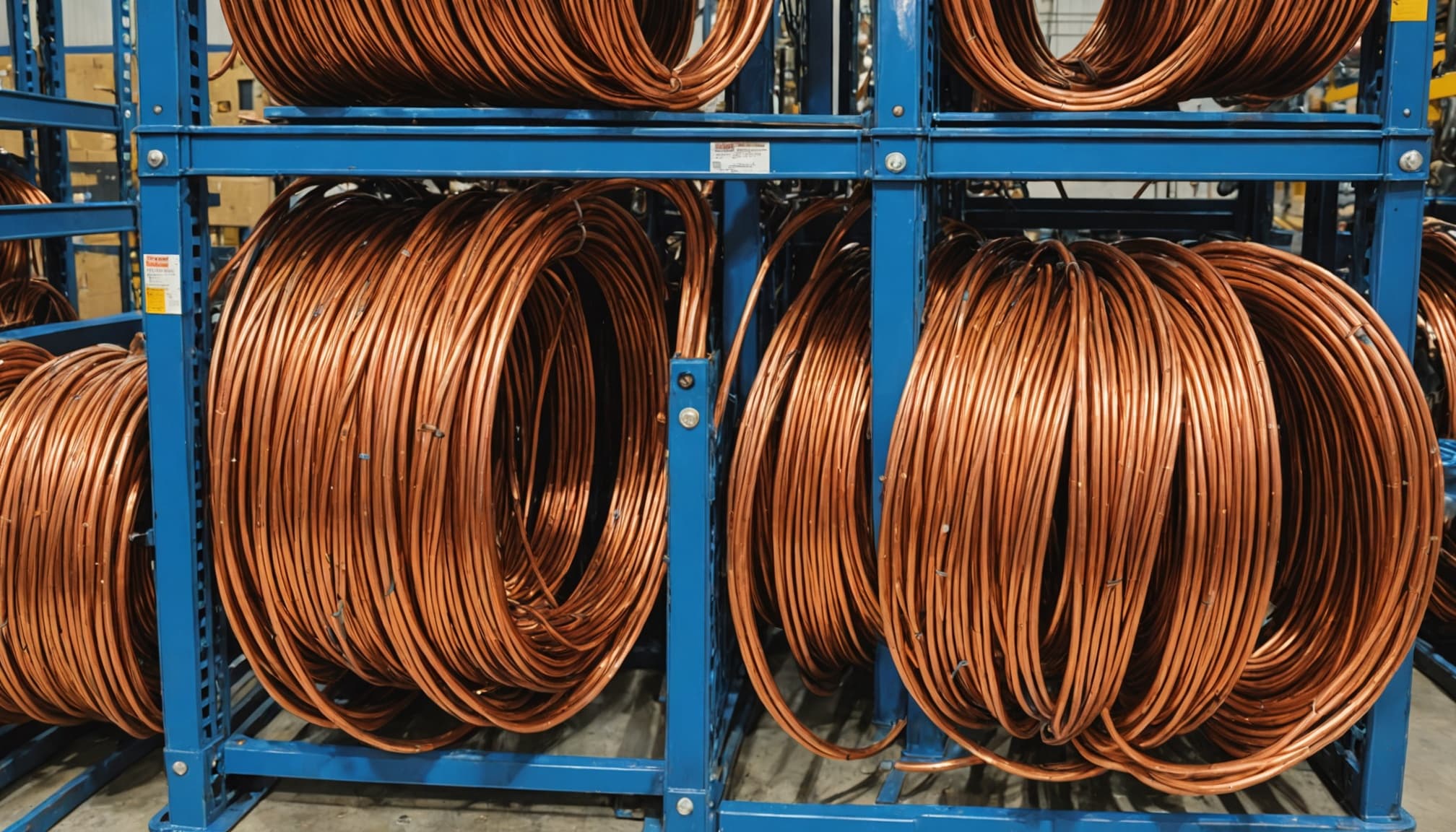
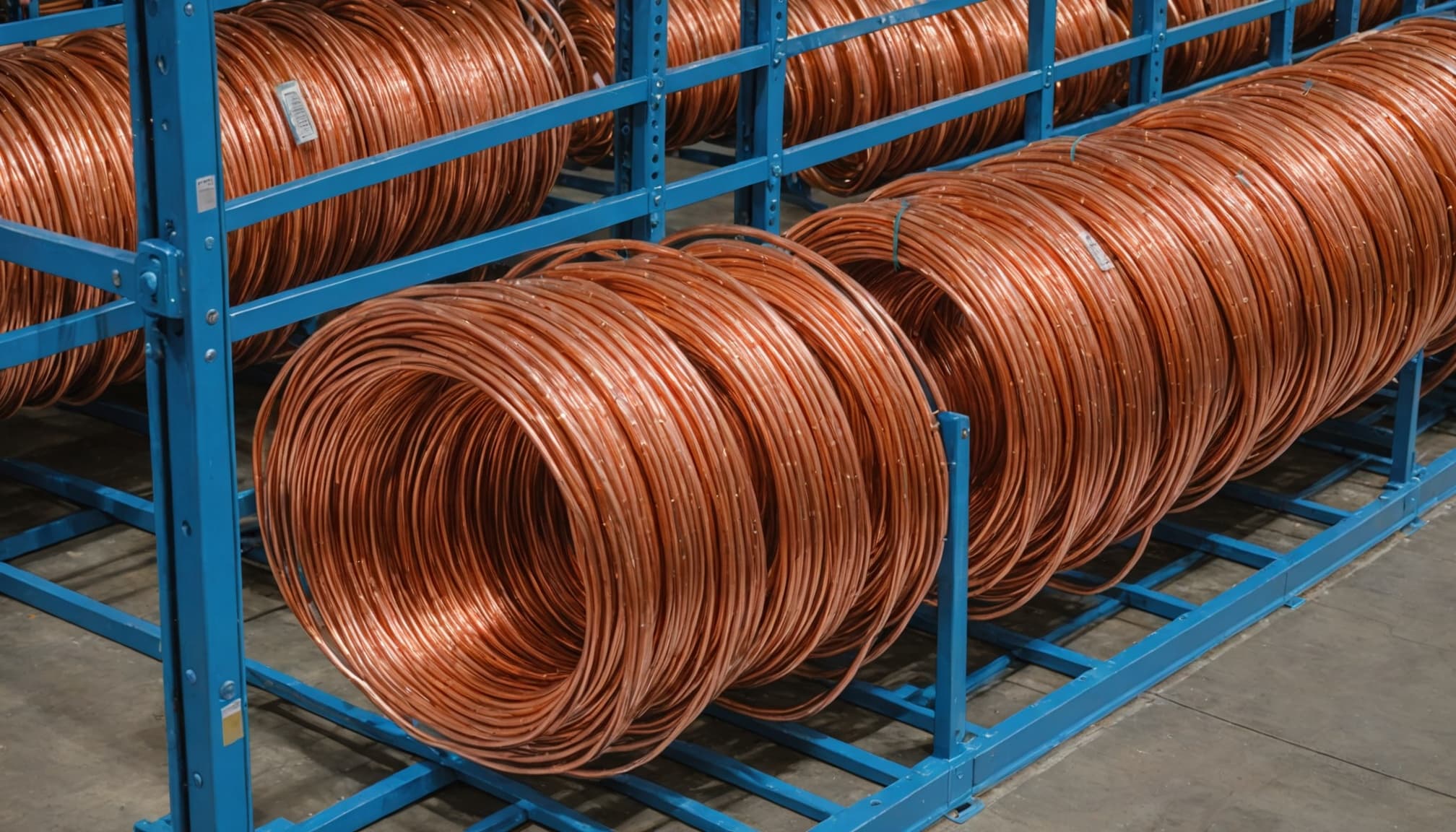
But the threat is segmented, not existential. Ultravolt is launching with ₹1,800 crore invested and 10.98 lakh km capacity focused on house wires and light-duty cables—precisely the lower-barrier retail segment where competition is fiercest.
This isn't just product composition—it's a structural moat. Transcripts +1
Wires require minimal certification and face low entry barriers. Cables, especially Extra High Voltage (EHV) and special application cables, demand certifications with 2-4 year gestation periods. Polycab's EHV capacity comes online by end-2026, targeting a market where 50% of domestic consumption is currently imported. Special Purpose Cables for railways, defense, and EV applications already have a dedicated facility operational. Ultravolt isn't playing here. The competitive pressure is real but contained to roughly 25% of Polycab's business—the retail wires segment where brand and distribution matter more than technical expertise. Transcripts +1
Distribution: The One-Day Fulfillment Edge
Polycab's distribution network is its quiet killer app.
This isn't logistics—it's working capital alchemy.
When copper prices surge, Polycab dealers can pre-buy aggressively, knowing replenishment is guaranteed. During Q3 FY26, domestic C&W volumes jumped 40% YoY, driven partly by channel restocking triggered by sharp copper price increases. AnnualReports +1
UltraTech's 5,000+ UltraTech Building Solutions stores provide distribution reach, but they lack the specialized electrical focus and fulfillment speed that Polycab has built over decades. Many of Polycab's channel relationships are now in their second or third generation, creating switching costs that new entrants cannot quickly replicate. The net working capital advantage—just 15 days versus industry averages of 25-30—means Polycab can support its 26-27% market share with leaner inventory while maintaining superior service levels. Transcripts +1
Copper's 43% Surge: Margins Under Pressure, Not Broken
Copper prices have jumped 43% YoY in Q2 FY27, reaching ₹1,415/kg on MCX and $6.77/lb globally. Yet
How? The company employs a monthly price revision mechanism for 85% of its distribution business, factoring in previous month's LME prices and FX rates. Institutional business uses back-to-back pricing with immediate pass-through upon approval. Transcripts +2
The margin compression in Q1 reflects staggered pass-through—a strategic choice to protect volumes and market share rather than sacrifice margins for short-term gain. Management passed through approximately 75-80% of commodity inflation in Q3 FY26, accepting near-term pressure to strengthen channel relationships. Historical patterns validate this approach: when copper rose 40% in FY22, margins recovered within 1-2 quarters. Q2 FY27 should see sequential margin improvement as the pass-through mechanism catches up. Transcripts +1
Demand Resilience: Inelastic Across Verticals
Despite sharp price increases, Polycab hasn't witnessed major demand disruption. The reason lies in the structural nature of its end markets. Power accounts for 40-45% of cable consumption, driven by government capex, grid modernization, and renewable integration. These are budgeted projects with contingency for commodity changes—demand is effectively inelastic. Manufacturing and private industries contribute 35-40%, supported by private capex recovery and long-term contracts with price escalation clauses. Transcripts
Mobility infrastructure (railways, highways, airports) represents 10-12% of demand—again, government spending with minimal price sensitivity. Housing and real estate, while more elastic, is in a multi-year upcycle expected to reach ₹1 trillion by 2030. Individual homebuilders view electrical wiring as a "once-in-a-lifetime investment" where quality trumps marginal cost differences. This structural demand profile allows Polycab to pass through copper costs without significant volume loss. Transcripts +1
Growth Outperformance: 1.5x Market Expansion
The cables and wires market is growing at 11-12% CAGR. Polycab targets 1.5x outperformance—16.5-18% growth—through new areas, products, and customer segments. The company delivered over 18% YoY volume growth in FY26, significantly outpacing most peers. This isn't just market share gain; it's structural expansion into higher-value segments.
Power generation, renewable energy, and T&D networks drive 40-45% of demand, with India's renewable capacity estimated to grow from 216 GW to ~500 GW by FY 2029-30. Per capita power consumption is projected to rise from 1,395 units in FY 2023-24 to 2,984 units by FY 2039-40. Polycab's EHV entry positions it to capture the underground cabling opportunity, while Special Purpose Cables target railways, defense, and EV applications—the fastest-growing verticals. The company's organized market share has climbed from 18-19% in FY 2019 to 30-31% in FY 2026, with significant headroom remaining as the unorganized segment shrinks. Transcripts
Margin Guidance: Conservative by Design
Polycab's 11-13% operating margin guidance for cables and wires under Project Spring factors in all sensitivities—including competition from Ultravolt and copper volatility. Jefferies explicitly notes that this guidance "factors in all sensitivities, including competition". The current 13.8% consolidated EBITDA margin in Q1 FY27 sits comfortably within this range despite significant copper headwinds.
Jefferies believes the lower operating margin in cables and wires is not sustainable long-term. The reasoning is straightforward: Polycab's higher cable share (75%+ versus Ultravolt's wire focus), scale advantages (2x the nearest competitor), and distribution moat create structural cost advantages that new entrants cannot quickly match. As EHV and Special Purpose Cables scale from FY28, the overall margin profile should expand toward the higher end of the guidance range. Transcripts
FMEG Turnaround: The Second Engine
The Fast-Moving Electrical Goods (FMEG) segment has transformed from a drag to a driver. FMEG EBIT margin expanded from 2.9% in Q3 FY26 to 8.0% in Q1 FY27, tracking toward the 8-10% target by FY 2030. Revenue jumped 68% YoY to ₹761 crore in Q1 FY27, with solar products delivering 2x year-on-year growth. This turnaround isn't just about segment profitability—it's about creating a comprehensive electrical solutions platform that enhances customer stickiness and lifetime value. InvestorPresentations
FMEG rides on Polycab's existing C&W distribution network, creating synergies in procurement, logistics, and brand extension. Premium products constitute 25% of the FMEG portfolio, with fans at 33% and lighting at 38% premium mix. As FMEG scales toward 12-15% of total revenue by FY30, it should contribute +48 bps to overall EBIT margin through both margin firming and revenue mix expansion.
Valuation: Market Overreaction vs. Jefferies' Bull Case
Polycab's stock decline reflects market concerns about Ultravolt competition, but Jefferies maintains a Buy rating with 33% upside. The stock currently trades at 35x one-year forward PE, 7% below its five-year historical average. This discount appears excessive given the structural advantages protecting Polycab's core business.
Jefferies estimates FY26-29 PAT CAGR of over 22%, driven by volume growth (1.5x market outperformance), margin recovery in C&W, and firming FMEG margins. The key risks—higher competition from Ultravolt, demand slowdown, and sharp copper volatility—are real but appear priced in, if not over-discounted. The 11-13% margin guidance already accounts for competitive pressures, and historical patterns show margin recovery after copper shocks is the norm, not the exception.
The Verdict: Moat Intact, Growth Trajectory Intact
UltraTech's Ultravolt entry adds competitive intensity to the wires segment, but Polycab's competitive moat remains intact. The 70% cable mix, 24-hour fulfillment capability, and EHV/SPC barriers create structural advantages that new entrants cannot quickly replicate. Copper volatility creates near-term margin pressure but hasn't disrupted demand, demonstrating pricing power across verticals.
The market's 17% stock decline from June peaks appears to be an overreaction to a contained competitive threat. Jefferies' 33% upside projection and FY26-29 PAT CAGR of over 22% are achievable if Polycab executes on its growth strategy while maintaining pricing discipline. The combination of C&W margin resilience, FMEG turnaround, and mix improvement toward higher-value cables creates a multi-year margin expansion trajectory that supports the bullish view.