One 97 Communications (Paytm) reported Q2 FY27 revenue of ₹2,648 crore, up 28% year-on-year. EBITDA jumped 90% to ₹270 crore, and net profit surged 971% to ₹225 crore. These headline numbers look impressive, but they don't tell the whole story. The quarter was shaped by two major distortions: the discontinuation of a government incentive and a one-time expense from the previous year. To understand what's really happening at Paytm, we need to look past the surface.
The Revenue Story: Three Engines, Not One
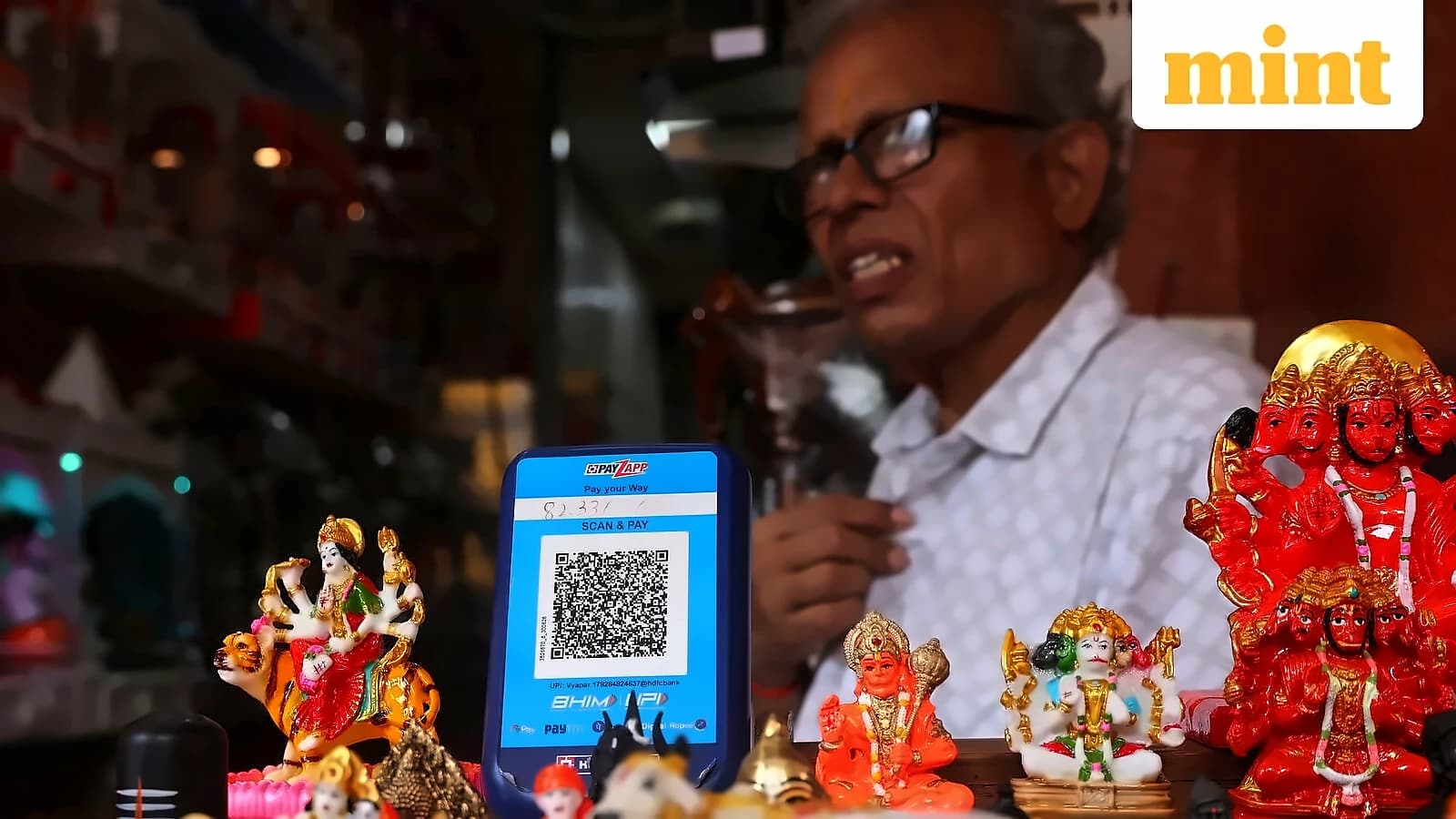
Paytm's revenue growth comes from three distinct segments, each pulling its weight. Payment Services, the largest contributor, brought in ₹1,434 crore, up 25% year-on-year. This growth was driven by a 42% increase in UPI gross transaction value, outpacing the industry's 19% growth. Monthly transacting users reached 8.5 crore, adding 1 crore users over the past year. Investor Presentation +1
The fastest-growing segment was Distribution of Financial Services, which surged 49% to ₹912 crore. Key financial services customers grew to 8.8 lakh, with more than half of merchant loan disbursements coming from repeat borrowers. This suggests Paytm isn't just acquiring new customers but successfully deepening relationships with existing ones. Investor Presentation +1
Marketing Services, the third pillar, grew 26% to ₹287 crore. While smaller in scale, this segment shows Paytm's ability to monetize its user base beyond core payments. Investor Presentation
The PIDF Effect: Why 33% Growth Matters More Than 28%
Here's where things get interesting. The Payment Infrastructure Development Fund (PIDF) incentive, a government scheme that subsidized payment devices, was discontinued in December 2025. This incentive had inflated Paytm's prior-year revenue base. When you exclude it, comparable revenue growth was actually 33%, not the reported 28%. Investor Presentation
The PIDF incentive was about ₹74 crore in Q2 FY26 but only ₹12 crore in Q2 FY27. This ₹62 crore difference creates a roughly 5-percentage-point drag on reported growth. The underlying business momentum is stronger than the headline number suggests. Investor Presentation
This isn't just about revenue. The PIDF incentive also distorted margins. On a reported basis, EBITDA margin expanded from 7% to 10%. But on a comparable basis, excluding PIDF, the margin jumped from 3% to 10%—a 637-basis-point expansion that's nearly double the reported improvement. Investor Presentation +1
The Profit Puzzle: One-Time Items Mask Real Progress
The 971% surge in net profit is misleading. In Q2 FY26, Paytm took a ₹190 crore hit from fully impairing a loan to First Games Technology, a joint venture. This one-time expense dragged the prior-year profit down to just ₹21 crore. Without it, profit would have been ₹211 crore. Investor Presentation +1
In Q2 FY27, exceptional items were negligible at ₹4 crore. So the real comparison is between ₹229 crore (profit before exceptional items) and ₹211 crore—a modest 9% growth, not 971%. Investor Presentation +1
The gap between EBITDA growth (90%) and profit growth (9%) comes from two factors: other income fell 18% to ₹182 crore, and tax expense jumped to ₹67 crore from ₹10 crore. Management had flagged that other income would decline as maturing investments are reinvested at lower yields. Investor Presentation +1
Operational Efficiency: The Real Margin Driver
Paytm's EBITDA expansion isn't magic—it's the result of disciplined cost management. Indirect expenses grew only 14% against 28% revenue growth, dropping from 52% to 46% of revenue. This operating leverage is the primary driver of margin improvement. Investor Presentation
Non-sales employee costs rose just 7%, as AI-driven productivity gains offset investments in business and AI teams. Sales and service staff costs grew 25%, reflecting deeper investment in financial services distribution. Investor Presentation +1
Payment processing charges remained flat at 0.11% of gross transaction value, showing Paytm can scale volume without proportionally increasing costs. However, contribution margin dipped slightly from 59% to 56%, partly due to the PIDF base effect and higher direct expenses. Investor Presentation +1
GMV vs. Merchants: Quality Over Quantity
Gross merchandise value grew 26% to ₹7.1 lakh crore, while registered merchants increased 10% to 5.2 crore. The math tells an important story: merchant growth explains less than half of GMV growth. The rest comes from higher activity per merchant. Investor Presentation
GMV per registered merchant rose from about ₹1.21 lakh to ₹1.37 lakh per quarter. Subscription merchants, who are more valuable, grew 19% to 1.64 crore, with about 27 lakh added over the year. Investor Presentation
Sequentially, merchants grew about 4% (not 2%, as the rounded figures might suggest), but GMV was flat quarter-on-quarter. This means payment revenue per merchant held steady at about ₹276, indicating that monetization isn't deteriorating even as growth moderates. Investor Presentation
The Cash Question: Discipline Over Deployment
Paytm's cash balance increased to ₹13,617 crore from ₹13,068 crore a year earlier—a modest ₹549 crore gain. The mix shifted toward cash and bank balances (₹7,116 crore) and away from deposits and market instruments. Investor Presentation
The priority is organic opportunities with high returns on investment. Inorganic moves, partnerships, and minority investments are considered "from time to time" but only at the right valuation. Investor Presentation +1
Margin trading facility lending is cited as a small but high-return use of funds. The company also resumed default loss guarantee arrangements with its largest lending partner, well below the permitted 5% limit. Transcript +1
This cautious approach protects return on capital but also means profit remains sensitive to interest rates, as other income (about ₹182 crore this quarter) is roughly 60% of pre-tax profit. Investor Presentation
Margin Headwinds: DLG and Festive Season
Looking ahead, Paytm faces margin pressures. Default loss guarantee costs will rise materially from Q3 FY27, as the company resumed DLG with its largest lending partner. These costs are recognized upfront, while related revenue is recognized over the loan's life, creating a timing mismatch that depresses current margins. Investor Presentation
The festive season brings another challenge: a higher share of card processing, which carries lower contribution margin but remains EBITDA-positive. Management expects contribution margin to decline in Q3 FY27 due to these factors. Investor Presentation +1
Despite this, management expects EBITDA to keep improving. The logic is that contribution margin isn't the primary metric—operating leverage and AI-led efficiencies will drive margin expansion. Management has a medium-term EBITDA margin target of 15–20% and believes it has better visibility to reach it. Investor Presentation +1
Regulatory Exposure: Beyond PIDF
The discontinuation of PIDF reduces Paytm's dependency on regulatory incentives. The scheme was about 3.6% of revenue in Q2 FY26 but only 0.5% in Q2 FY27. More importantly, it was over half of prior-year EBITDA. Its removal improves earnings quality, even if it hurts reported growth. Transcript +1
The bigger regulatory question is the UPI merchant discount rate framework. New rules introduce an MDR of up to 0.4% on specified person-to-merchant UPI transactions above ₹2,000, though implementation timing remains unclear. About 96% of P2M volume by count is expected to remain unaffected. Other
Paytm is diversifying its revenue mix to reduce dependency on incentives. Financial services distribution grew from 22% of revenue in Q3 FY23 to about 31% in Q3 FY26, and reached ₹912 crore in Q2 FY27. Marketing services and wealth distribution are also growth areas. Investor Presentation +2
The Bottom Line
Paytm's Q2 FY27 results show a company in transition. The headline numbers are distorted by one-time items and incentive changes, but the underlying trends are positive. Revenue growth is stronger than reported, margins are expanding through operational efficiency, and the business is becoming less dependent on regulatory incentives.
The challenges ahead—DLG costs, festive season margin pressure, and regulatory uncertainty—are real. But with ₹13,617 crore in cash, a growing financial services business, and improving operating leverage, Paytm has the tools to navigate them. The story isn't about a 971% profit jump. It's about a fintech giant steadily building a more sustainable, diversified business.