One 97 Communications has scheduled a board meeting for July 20, 2026, to consider its first bonus share issuance since listing in November 2021. This move comes alongside the announcement of Q1 FY27 results, creating a dual catalyst that signals management's growing confidence in the company's financial trajectory. The timing is deliberate—it follows four consecutive profitable quarters and a historic FY26 where Paytm delivered its first full-year profit of ₹552 crore.
Bonus shares don't create immediate value. They're essentially slicing the same pie into more pieces. But they do signal something important: management believes the company has strong enough cash reserves and earnings visibility to reward shareholders without compromising growth investments. For a company that spent much of its early public life dealing with regulatory headwinds and investor skepticism, this represents a symbolic milestone in its transformation story.
FY26 Performance: The Foundation for Confidence
The numbers tell a compelling turnaround story. Revenue from operations grew 22% year-on-year to ₹8,437 crore in FY26. More importantly, the company swung from a consolidated net loss of ₹663 crore in FY25 to a profit of ₹552 crore in FY26. EBITDA reached ₹502 crore, representing an improvement of ₹2,008 crore year-on-year.
This wasn't a fluke quarter. Paytm delivered four consecutive profitable quarters through FY26, with Q4 FY26 PAT at ₹183 crore on revenue of ₹2,264 crore—up 18.4% year-on-year. The consistency matters because it builds credibility with institutional investors who need to see sustainable profitability before committing capital.
Operating Drivers Behind the Turnaround
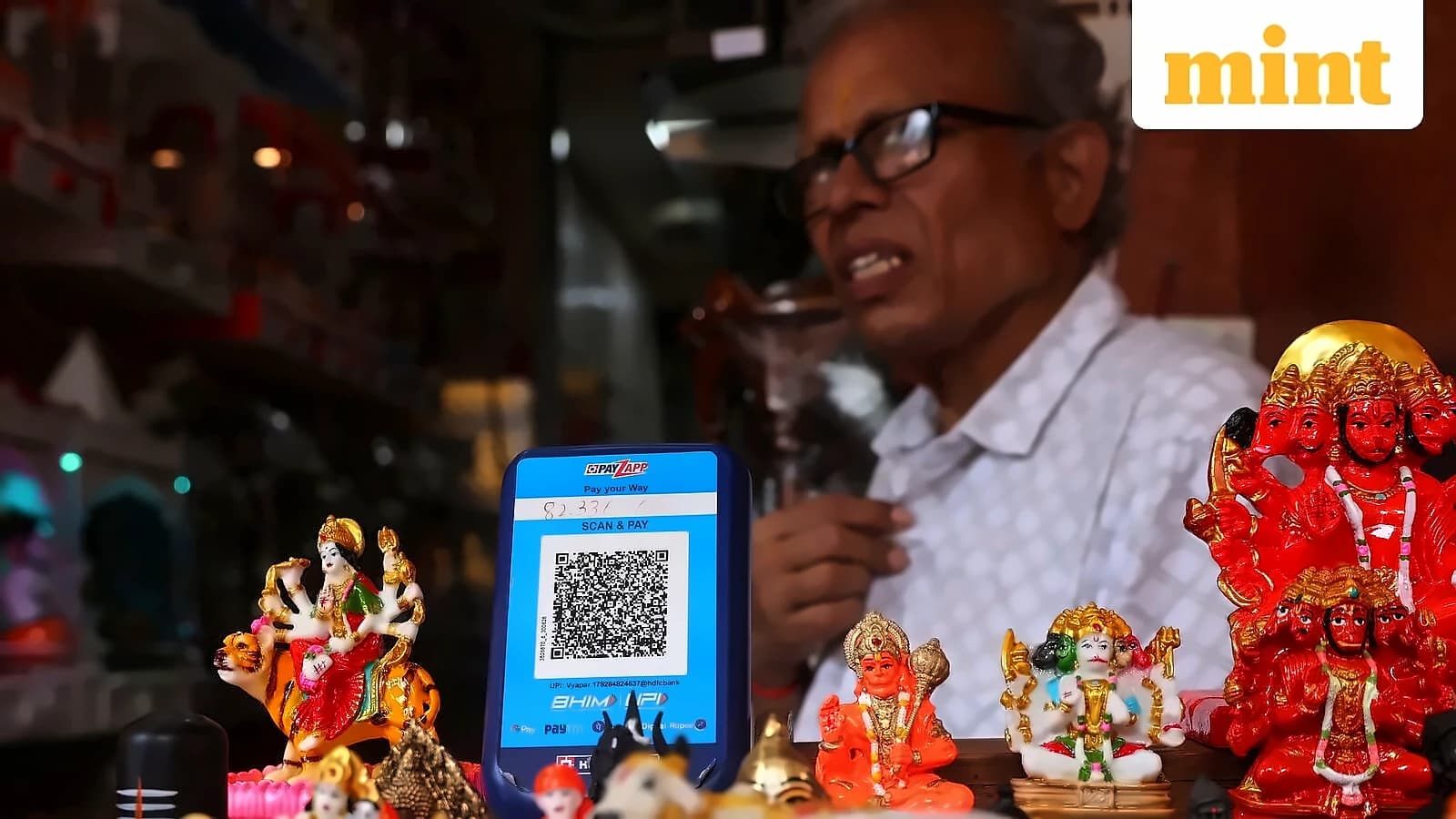
What actually changed? Several operational improvements drove this EBITDA expansion. Payment processing margins remained above 4 basis points despite the Payments Infrastructure Development Fund (PIDF) subsidies ending. Payment margins grew 50-60% supported by 27% GMV growth. The company added 27 lakh devices (22% growth on base), expanding its merchant network. Transcripts +1
Cost discipline played a crucial role. Indirect expenses were reduced by 30-35% from peak levels through disciplined management. AI-driven efficiencies were implemented across organizational functions. Sales cost optimization helped offset 30-40% of the PIDF subsidy impact. Transcripts +1
High-margin revenue streams gained traction. Credit card on UPI and Paytm Postpaid transactions contributed 20-40 basis points margins. Merchant lending showed what management described as "fantastic" compounding business performance. Better collection performance improved take rates in financial services. Transcripts +1
Domestic Investor Ownership Evolution
The most striking development has been the shift in ownership structure. Domestic investors increased their shareholding to approximately 51.6% in Q1 FY27 from 50.3% in the previous quarter. This reinforces Paytm's position as an Indian-Owned and Controlled Company (IOCC)—a milestone first achieved in March 2026 when domestic ownership crossed the 50% threshold.
The increase was led by mutual fund houses, which collectively raised their holdings to 17.9% from 16.6%. The number of mutual funds investing in Paytm also rose to 43 from 41.
Leading Mutual Fund Investors
Specific mutual funds drove much of this increase. Motilal Oswal Midcap Fund emerged as the largest single fund investor with 5.45% holdings. Mirae Asset Large Cap Fund holds 2.22%, Nippon India Growth Mid Cap Fund holds 1.73%, Bandhan Large & Mid Cap Fund holds 1.56%, and Kotak Arbitrage Fund holds 1.51%.
These aren't random bets. These funds specialize in different strategies—midcap growth, large cap stability, arbitrage—but they're all converging on Paytm. That suggests the fundamentals are strong enough to appeal across investment philosophies.
Insurance Companies Join the Party
Domestic insurance companies also increased their participation, taking their combined stake to 5.3% from 5.1%. SBI Life Insurance led this increase. The insurance sector's growing interest is particularly noteworthy because insurers typically take longer, more studied positions. Their participation signals conviction in Paytm's long-term sustainability rather than short-term trading opportunities.
The IOCC Status Impact
Achieving IOCC status in March 2026 wasn't just a regulatory milestone—it created a positive feedback loop.
This pushed foreign ownership down to 49.4% from 51.76% in Q3 FY26.
Domestic institutions stepped into this vacuum. The combination of improving fundamentals and attractive valuations created an opportunity. As domestic ownership crossed 50%, it likely attracted more domestic capital—investors often prefer companies where they have greater influence and alignment with local market dynamics.
Bonus Shares vs. Alternatives: The Trade-offs
The board is evaluating bonus shares against alternatives like dividends or buybacks. Each has different implications. Dividends return cash directly to shareholders but signal that the company has limited growth opportunities. Buybacks reduce share count and can be tax-efficient for shareholders, but they consume cash that could fund growth.
Bonus shares, by contrast, don't consume cash. They increase liquidity and make shares more affordable for retail investors. They signal confidence without depleting resources. For Paytm, which still needs to invest in growth—especially in financial services and international expansion—bonus shares may strike the right balance between rewarding shareholders and preserving capital.
What Q1 FY27 Needs to Deliver
The bonus share proposal's success depends on Q1 FY27 results validating sustained momentum. Investors will watch loan disbursement volumes through lending partners, growth in merchant device and subscription base, payment processing margins, and updates on EBITDA before ESOP guidance.
A beat on these metrics alongside a bonus issue announcement could provide a two-pronged catalyst. But if results disappoint, the bonus issue could be seen as a sentiment booster without matching fundamental delivery.
Global Brokerage Validation
International brokerages have taken note of the improving fundamentals. Goldman Sachs maintained a positive outlook, raising revenue estimates by 2% and EBITDA estimates by up to 6%. The brokerage noted that Paytm's valuation multiple has room to re-rate if the company sustains revenue growth of over 20%.
This external validation matters because it suggests the turnaround isn't just a domestic narrative. Global investors are seeing the same operational improvements that are attracting domestic institutions.
The Road Ahead
The current trajectory suggests they're on track, but sustaining this will require continued execution. Revenue growth needs to accelerate across payments and financial services, not just marketing services recovery. Margin expansion must continue as operating leverage kicks in. Transcripts +1
The bonus share proposal, if approved, will be a milestone. But the real story is whether Paytm can build on FY26's foundation to deliver sustainable profitability. The domestic institutional investor base that has grown to 51.6% ownership is betting that it can. The July 20 board meeting and subsequent Q1 results will provide the next chapter in this evolving story.