Ola Electric Mobility has announced a ₹1,500 crore fundraise on September 5, 2026, just three months after completing a ₹780 crore Qualified Institutional Placement (QIP) in June 2026. This represents ₹2,280 crore raised within a single quarter, signaling aggressive capital requirements. The immediate question is straightforward: why return to the capital markets so quickly?
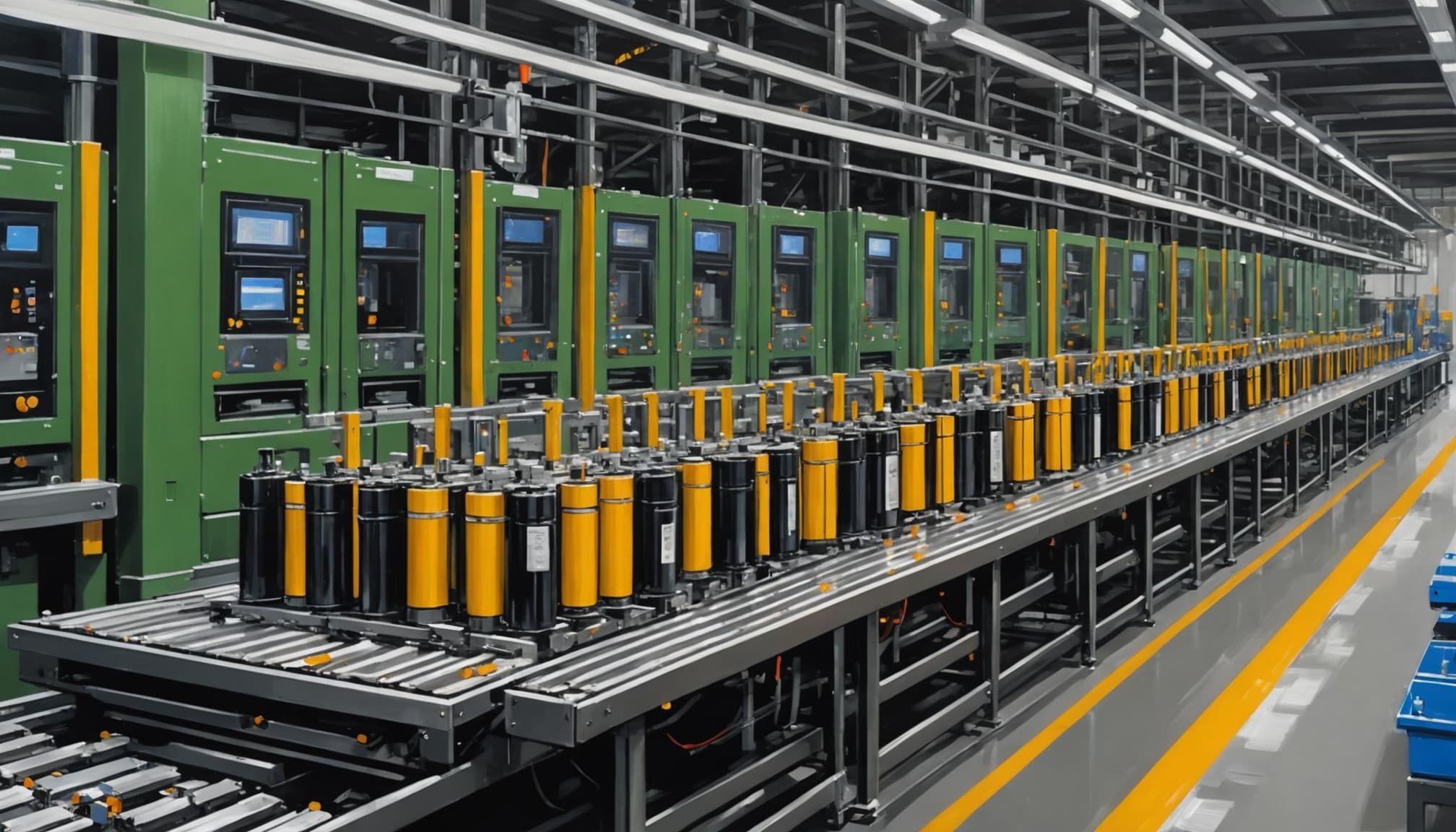
The answer lies in Ola's ambitious vertical integration strategy. The company is scaling its Gigafactory from 2.5 GWh operational capacity to 6 GWh by September 2026, with plans to reach 20 GWh by early 2027. In May 2026, the board approved ₹2,000 crore for two wholly-owned subsidiaries—₹1,500 crore for EV manufacturing and ₹500 crore for battery cell production. The capital-intensive nature of building indigenous battery cell capabilities, combined with ongoing operational losses, creates a persistent funding gap that the June QIP alone could not bridge.
The timing is particularly notable because the June QIP was already successful—oversubscribed by 56% at ₹35.86 per share, attracting institutional investors like Goldman Sachs and leading domestic mutual funds. Yet three months later, Ola is back for more. This proximity raises legitimate questions about capital planning efficiency and whether the company underestimated execution complexity.
Balance Sheet Impact: Leverage and Runway Extension
The ₹1,500 crore fundraise will materially improve Ola's balance sheet metrics, though not without trade-offs. Currently, the company carries total debt of ₹3,556 crore with a debt-equity ratio of 0.87. The fresh equity infusion will reduce this leverage ratio, strengthening the balance sheet. However, existing shareholders face dilution—the June QIP already added 21.76 crore shares, and the new fundraise will further expand the equity base. Others
On the cash runway front, the mathematics are sobering. Ola reported a net loss of ₹336 crore in Q1 FY27, with free cash flow negative at ₹350 crore. The ₹780 crore raised in June covers approximately two quarters of current cash burn. The additional ₹1,500 crore could extend the runway by another 4-6 quarters, assuming burn rates remain stable. This provides crucial breathing room for the company to complete its 6 GWh Gigafactory expansion without triggering immediate liquidity constraints.
The capital also supports Ola's expansion beyond electric two-wheelers. The company is developing energy storage products under its Shakti and Mahashakti brands, targeting the home, commercial, and utility-scale markets. A 20 GWh energy storage deployment agreement with Axis Energy through 2032 represents a significant long-term opportunity, but realizing it requires sustained investment.
Strategic Requirements Driving Capital Needs
Beyond the headline numbers, specific operational imperatives are driving Ola's repeated capital raising. The company's vertical integration strategy—manufacturing its own battery cells—is central to its long-term cost structure. Cells represent approximately one-third of an electric vehicle's cost, so indigenous production could provide meaningful margin advantages.
The technology roadmap requires dual battery chemistry development: 4680 NMC cells for performance models and 46100 LFP cells for mass-market vehicles. Both have received BIS certification, but scaling production to commercial viability demands ongoing investment. The Gigafactory is currently operating at commercially viable yields, but management has indicated that yields should continue improving through FY27.
Government incentives under the PLI-ACC scheme add another dimension. Ola has secured up to ₹7,240 crore in incentives through CY2031, but these require matching capital expenditure. The company recently received ₹95.81 crore under the PLI-Auto scheme for FY27, the third consecutive year of such incentives.
Leadership Transition: The COO's Departure
On the same day as the fundraise approval, Ola announced the resignation of Hyun Shik Park, Chief Operations Officer of Ola Cell Technologies, effective September 5, 2026. This timing creates immediate challenges for operational execution during a critical period. Park, who joined Ola in August 2023 after 36 years at LG, was the company's highest-paid executive at ₹8.7 crore in FY24, reflecting his critical importance to the battery manufacturing initiative.
Park was responsible for the Gigafactory operations, overseeing the scaling of cell production from 1.4 GWh to the current 2.5 GWh and toward the 6 GWh target. His departure creates a specialized knowledge gap at precisely the moment when the facility is approaching its commercial operations date of September 2026. The company has not announced a replacement or interim arrangements.
The factors behind Park's departure likely include both personal and strategic considerations. Ola has recalibrated its cell manufacturing plans—ICRA notes that the company has deferred the earlier envisaged expansion to 20 GWh, resizing the project to a terminal capacity of approximately 5.9 GWh under the current phase. This capital discipline approach may have reduced the scope of the role that Park was hired to lead.
Managing the Transition: Operational Continuity
Ola faces the immediate challenge of ensuring continuity in its manufacturing and scaling initiatives without its key battery manufacturing expert. The company's leadership structure provides some buffers. Shaun William Calvert, Chief Operations Officer, oversees the Ola FutureFactory (EV manufacturing) and may provide interim support for cell operations. Bhavish Aggarwal, Chairman and CEO, is known for his hands-on management style and may assume direct oversight during the transition period.
The technical team that Park built over three years remains in place, providing institutional knowledge and operational continuity. The Gigafactory has achieved manufacturing readiness and is operating at commercially viable yields, suggesting that processes and systems are sufficiently established to withstand leadership transition. However, the upcoming phase—scaling from 2.5 GWh to 6 GWh and optimizing yields—requires the kind of specialized expertise that Park brought to the role.
Investor Perception: Capital Efficiency and Management Stability
The proximity of the June QIP and September fundraise has influenced investor perception of Ola's capital efficiency. The stock fell over 3% on September 3, ahead of the fundraise announcement, extending losses for a third consecutive day. This negative reaction contrasts sharply with the market response to the June QIP, when the stock rallied nearly 4% after the issue was oversubscribed by 56%. The shift in sentiment suggests concerns about equity dilution and whether the company is effectively deploying capital.
Investors are questioning whether the repeated capital raises indicate poor planning or underestimated execution complexity. The ₹780 crore from June covers only about two quarters of current cash burn, and the additional ₹1,500 crore represents further dilution for existing shareholders. Goldman Sachs analysts have noted that "cash burn remains a concern, with free cash flow at negative ₹350 crore and no material cell revenue expected in Q2".
The COO's resignation compounds these concerns by raising questions about management stability during a critical fundraising and operational period. Leadership churn at the senior level—Park's departure follows the CFO transition in January 2026 and the resignation of Vishal Chaturvedi as Business Head for Cell in December 2025—suggests broader management challenges.
Competitive Positioning and Capital Requirements
Market participants are interpreting Ola's capital requirements in the context of its deteriorating competitive position. The company has slipped from market leadership (48.6% share in Q1 FY25) to fifth position (6.8-7.0% share in July 2026), trailing TVS Motor (27.3%), Bajaj Auto (22.5%), Ather Energy (14.9%), and Hero VIDA (10.7%). This market share erosion is occurring while Ola pursues a capital-intensive vertical integration strategy that its competitors can match without the same funding burden.
The valuation disconnect is notable. Ola trades at approximately 9.4x price-to-sales, compared to Ather at around 10x and TVS Motor near 2.8x. This premium valuation for EV players reflects market expectations of strong growth, but as one analysis noted, "that premium says the market expects strong growth, so there is little room for mistakes".
Traditional auto incumbents are scaling up their EV portfolios, making capital runways and cost structures the defining metrics of survival in the electric two-wheeler segment. Ola's strategy of building full-stack capabilities from battery cells to energy storage creates long-term optionality but requires substantial upfront investment.
The Path Forward: Execution Over Announcements
The next few quarters will be decisive for Ola Electric. The company must demonstrate that the fresh capital is funding sustainable competitive advantages rather than merely extending the runway of a challenged business model. Key milestones to watch include the successful completion of the 6 GWh Gigafactory expansion, stabilization of market share in the electric two-wheeler segment, and evidence of improving cash burn metrics.
Leadership stabilization is equally critical. The company needs to quickly identify a credible replacement for Hyun Shik Park or articulate a clear interim management structure for the cell manufacturing operations. Beyond the COO role, addressing the broader pattern of senior management departures will be essential for restoring investor confidence.
Ola's vertical integration strategy remains ambitious and potentially transformative. The company has built impressive manufacturing infrastructure, secured government incentives, and developed proprietary technology. However, the gap between strategic vision and operational execution has widened amid market share decline and leadership churn. The ₹1,500 crore fundraise provides the resources to narrow this gap, but success ultimately depends on execution rather than announcements.
For investors, the calculus is straightforward: Ola needs to stabilize its core scooter business, control cash burn, and demonstrate that its battery and energy storage investments can generate attractive returns. The company has the capital and the assets—the question is whether it has the management stability and operational discipline to deliver on its ambitious vision.