NMDC Limited reported Q2 FY27 revenue of ₹6,638 crore, up 4.1% year-on-year, but EBITDA declined 3% to ₹19.4 billion (operating profit basis). Net profit slipped 1.8% to ₹1,669 crore. The headline number—government-backed iron ore giant missing earnings—raises a simple question: why?
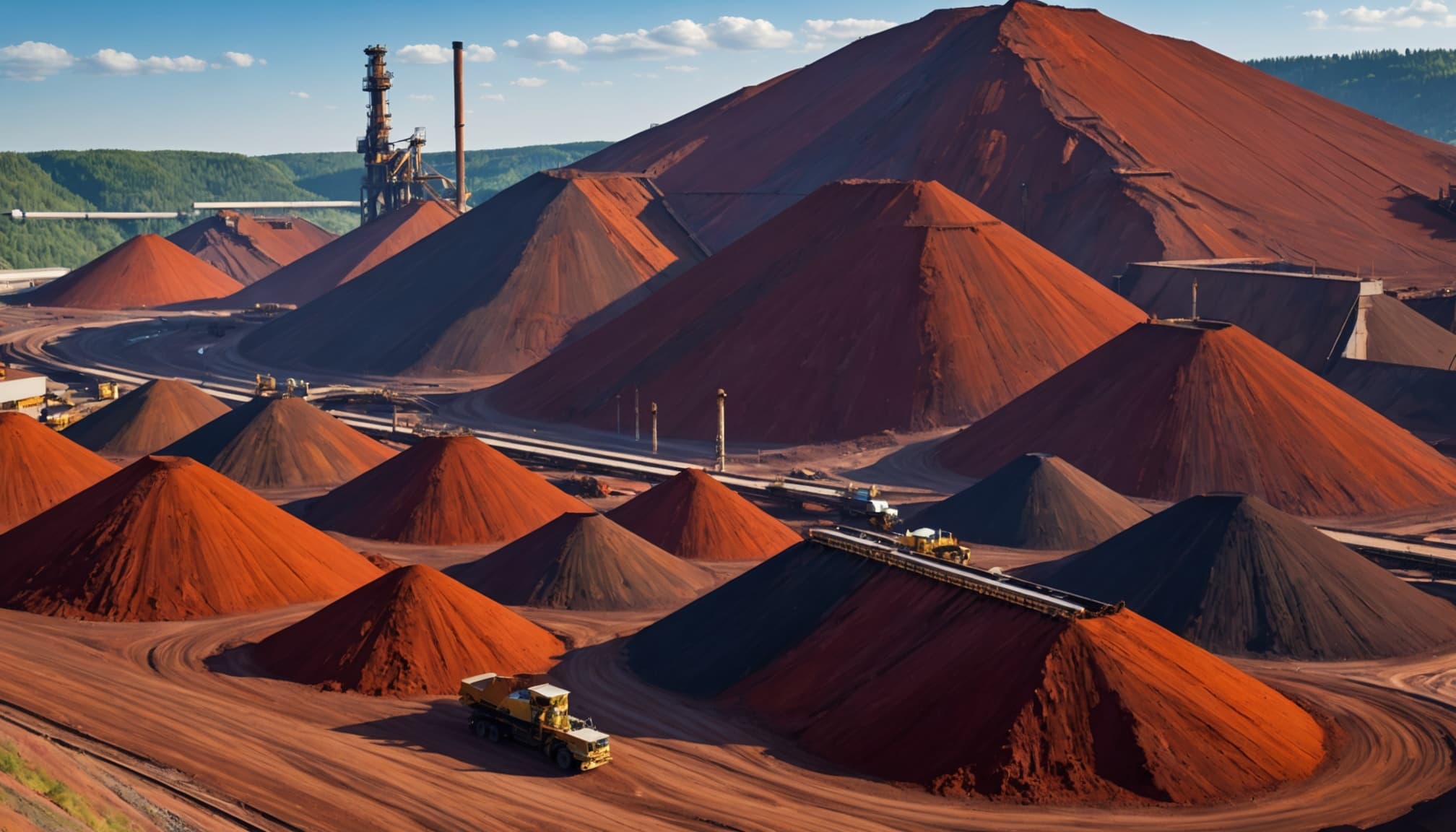
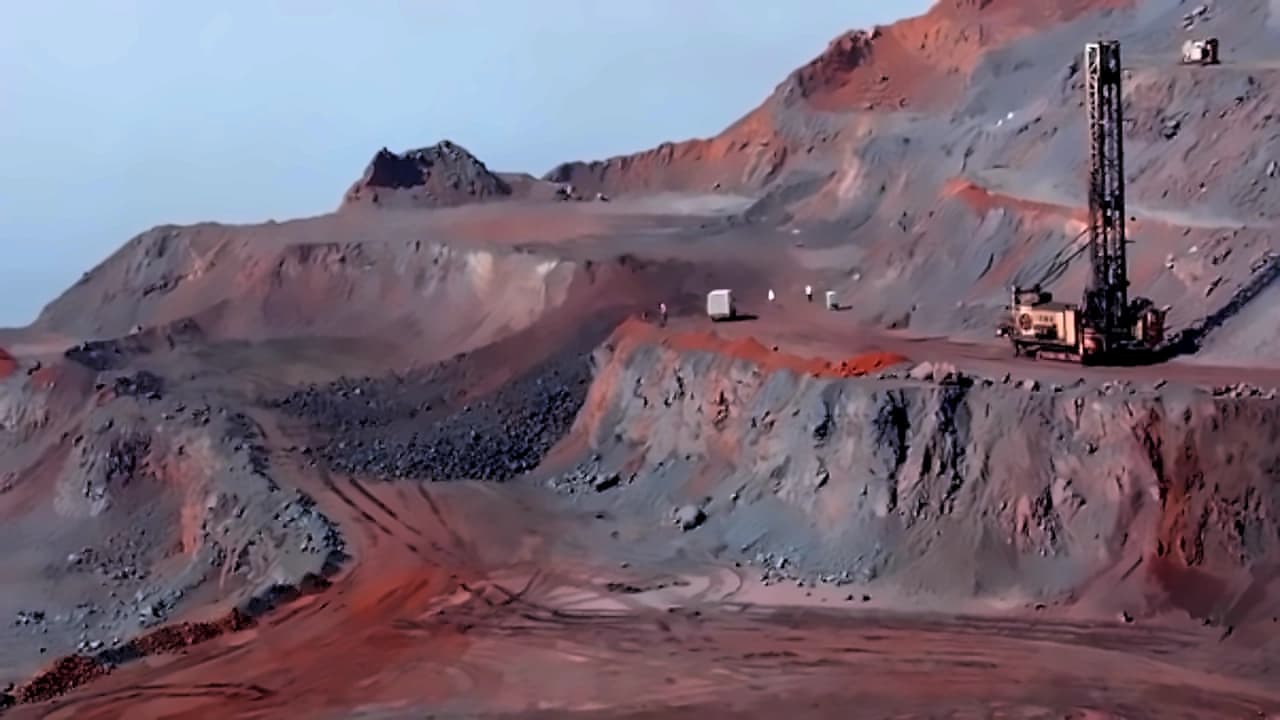
The answer lies in costs and volumes, not demand. Royalty and other levies jumped 30% year-on-year to ₹1,331 crore, while the "additional amount" (a premium-type levy) rose 30% to ₹1,499 crore. These statutory costs scale with sales, so they bite harder when volumes are weak. Speaking of volumes, iron ore sales fell 2.2% year-on-year to 10.49 million tonnes and were down 11% quarter-on-quarter. Production actually rose 19.2% to 12.17 million tonnes, creating a gap: ore was mined but not dispatched. Investor Presentation
This combination squeezed EBITDA per tonne. Nuvama's report, summarized by Livemint, puts Q2 EBITDA/t at ₹1,853, down ₹17/t year-on-year. My calculation using company filings shows a similar trend: operating profit divided by sales volume yields roughly ₹1,850/t. The math is straightforward—higher fixed-like costs spread over fewer tonnes equals lower per-tonne profitability.
Monsoon, Logistics, and the Volume Gap
Did monsoons cause this? The company's Q2 filings don't explicitly say so, but the pattern fits. H1 FY27 production was 27.27 million tonnes (up 22.8%), while sales were flat at 22.23 million tonnes. Inventories ballooned to ₹4,056 crore from ₹2,522 crore at the end of March. That's classic evacuation or offtake disruption—ore sits in stockpiles because it can't move.
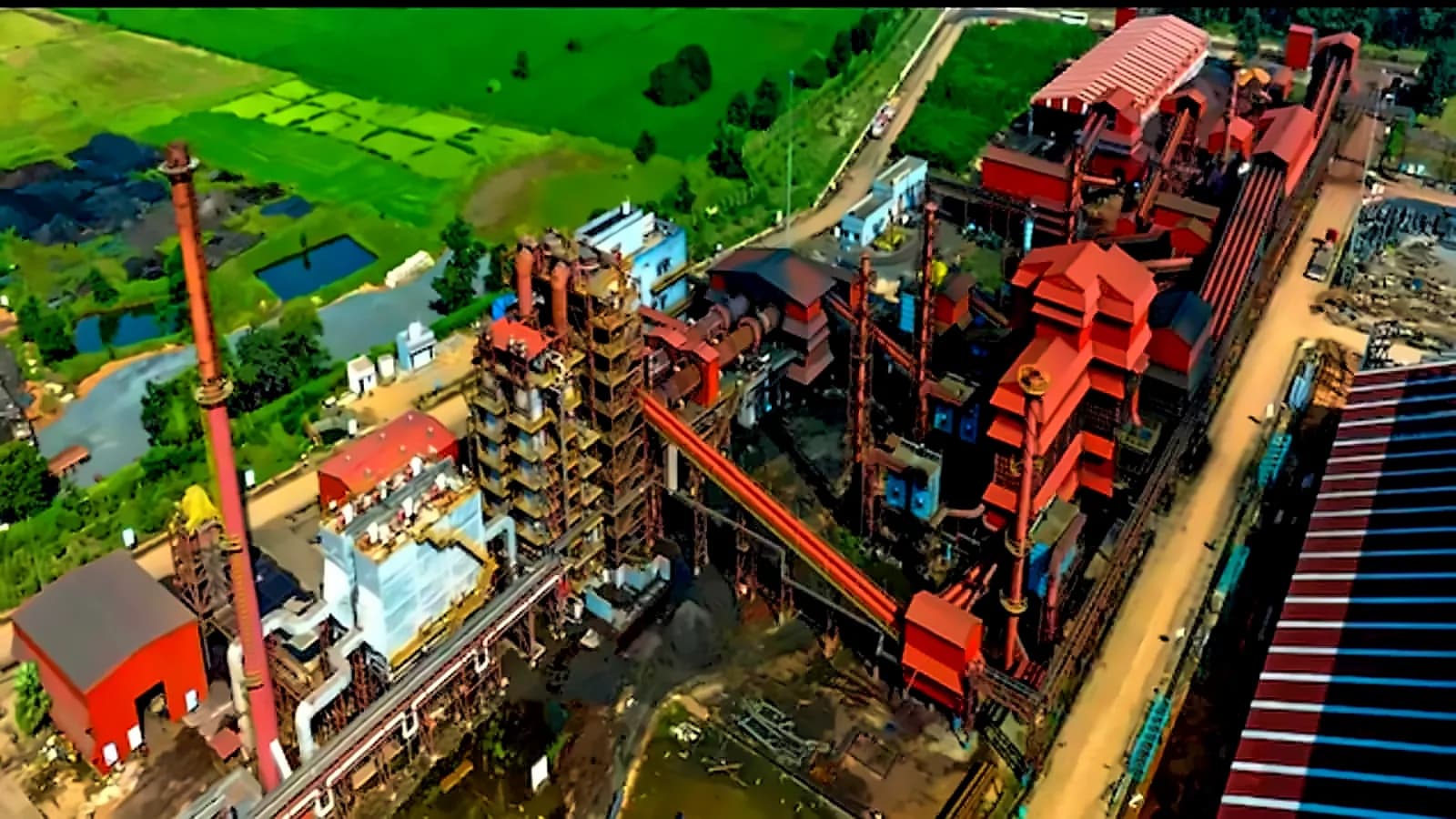
Nuvama's thesis, as reported, is that supplies have now normalized after monsoon-led logistics disruptions, setting up an H2 volume uptick. This isn't just wishful thinking. NMDC has operational levers in motion. The Kirandul–Kottavalasa railway doubling (131 km) is nearly complete, with the Bhansi–Bacheli section expected by December 2026. Once done, evacuation capacity rises from 28–30 million tonnes to about 40 million tonnes. The Bacheli–Nagarnar slurry pipeline (15 Mt capacity) and Nagarnar pellet plant are also commissioned or in pre-commissioning trials. Transcript +1
These projects won't fix Q2, but they support H2 and beyond. Management's FY27 production target is about 60 million tonnes. H1's 27.27 million tonnes means H2 needs roughly 32–33 million tonnes—a tall order, but not impossible if dispatches normalize. Nuvama's 8% cut to FY27 EBITDA estimates reflects the H1 underperformance, but the maintained Buy rating suggests they believe the second half can deliver. Transcript
Dividend King or Yield Trap?
Here's where the story gets interesting for income investors. NMDC has paid dividends for 20 consecutive years (some sources say 25, but available records confirm 20). The trailing 12-month dividend is ₹3.50 per share, yielding about 4.9–5.0% at the current price of ₹69.80. Yet the stock has fallen 23% over six months, and margins are under pressure.
Is the dividend safe? Let's look at the cash. FY26 PAT was ₹7,421 crore, up 11%. The payout ratio was about 41%. That's comfortable. But free cash flow tells a tighter story: FY26 FCF was ₹1,825 crore, while dividends likely cost around ₹3,080 crore (my estimate) [stock data]. Dividends exceeded FCF, meaning NMDC funded payouts from cash reserves or other sources. Annual Report
Now consider FY27. Capex is expected to nearly double to about ₹6,000 crore. Royalty costs are up 30%. Receivables from RINL and NMDC Steel have risen to over ₹11,000 crore combined, with provisions increasing. If H2 volumes don't recover as expected, something has to give. The dividend could be trimmed, or capex slowed. NMDC's history shows payouts can vary—from ₹14.74 per share in FY22 to ₹3.50 in FY26 (pre-bonus adjustment) [stock data]. The "dividend king" label is real, but it doesn't guarantee a fixed payout. Transcript
Nuvama's ₹100 Target: Re-rating or Reliance?
Nuvama sees 42% upside to ₹100, valuing NMDC at 9x the average of FY28E and FY29E EPS. At the current price, the stock trades at 6.4x FY28E EPS. That's a significant re-rating—from 6.4x to 9x—implying most of the upside comes from multiple expansion, not earnings growth.
Why the re-rating? The Livemint summary doesn't detail Nuvama's reasoning, but we can infer. PSU status often supports a valuation floor due to government ownership (60.79%) and perceived stability. The dividend history adds appeal for yield-focused investors. If H2 volumes recover and margins stabilize toward management's 42–43% guidance (versus Q2's 36.7%), the market could reward the stock with a higher multiple. Investor Presentation +1
However, risks remain. Analyst ratings are split: 9 Buy, 4 Hold, and 10 Sell out of 23 [stock data]. The consensus target is ₹87.72, below Nuvama's ₹100. Q2 EBITDA missed expectations, and the 8% estimate cut shows even bulls acknowledge near-term headwinds. The stock's 1.76% decline post-results to ₹69.90 reflects this skepticism.
The Verdict: Opportunity or Value Trap?
NMDC sits at a crossroads. On one side, you have a government-backed miner with a 20-year dividend track record, a 4.9% yield, and valuation multiples (P/E 8.5x, P/B 1.84x) that look cheap compared to many peers [stock data]. On the other, margins are compressing, costs are rising, and a 23% six-month decline signals the market is pricing in trouble.
For long-term dividend-focused investors, the key question is timing. If H2 volumes recover as Nuvama expects, driven by normalized logistics and infrastructure projects, the stock could re-rate toward that ₹100 target. The dividend, while potentially variable, is likely to persist given the government's stake and NMDC's cash generation.
But if volumes disappoint or receivables worsen, the dividend could face pressure, and the re-rating thesis falls apart. The October and November production and sales filings will be the first real test. Until then, NMDC remains a high-yield, high-uncertainty play—a classic dividend king with a crown that's currently a bit tarnished.