The revolving door at Jindal Steel Limited has become impossible to ignore.
The most recent, Mayank Gupta, resigned in July 2025 after only six months. This pattern isn't isolated—Vedanta Group entities have also experienced significant executive turnover, including exits from Vedanta Aluminium and Hindustan Zinc Limited. Yet executives like Rajiv Kumar (former CEO of Vedanta Aluminium) and Sandeep Modi (former CFO of Hindustan Zinc) are reportedly transitioning to Jindal Steel despite its documented churn. Understanding why requires looking beyond the headlines at the strategic and operational factors driving these moves.
What's Driving the CFO Carousel at Jindal Steel?
The numbers tell a stark story. Deepak Sogani, Rajeev Jain, Manju Dudeja, Hemant Kumar, Vijaya Gupta (acting), Ramkumar Ramaswamy, Sunil Agrawal, and Mayank Gupta have all passed through the CFO office since 2020. Four served less than a year. This churn isn't happening in a vacuum—it coincides with one of the most complex operational phases in the company's history. Others
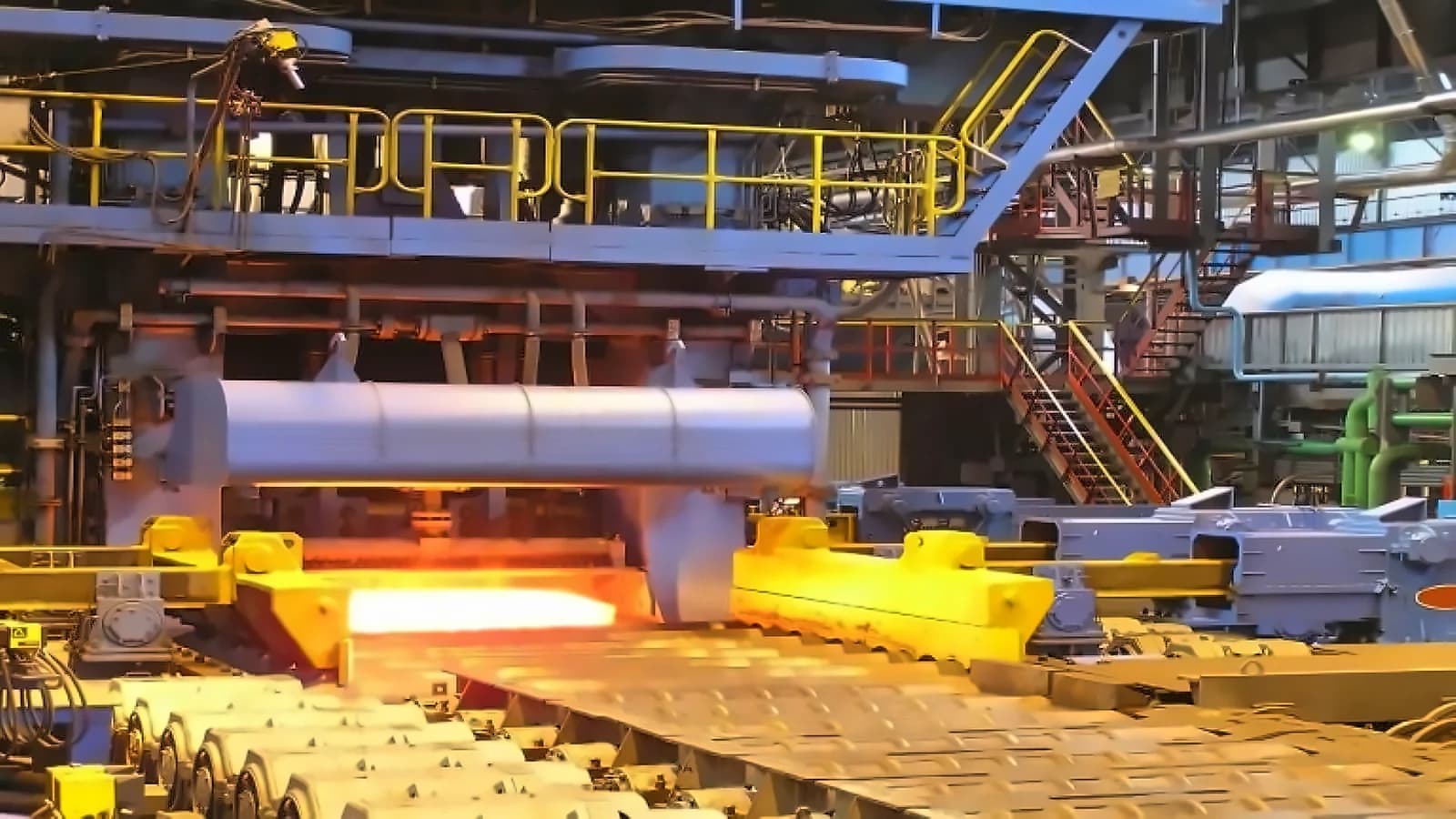
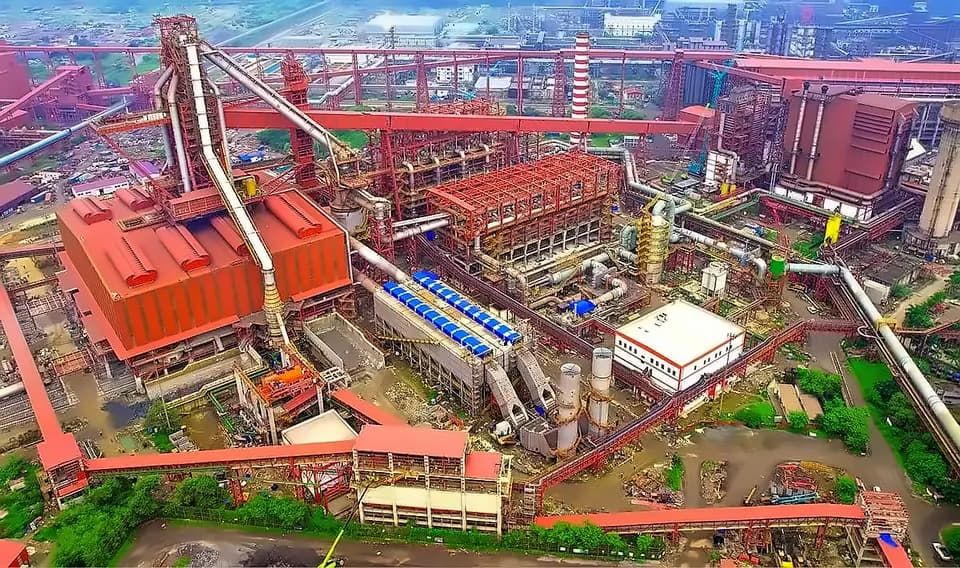
Jindal Steel has just completed a massive expansion at its Angul facility, doubling steelmaking capacity from 6 MTPA to 12 MTPA and taking total capacity to 15.6 MTPA. This kind of brownfield expansion brings start-up costs, metallic balance challenges, and inevitable ramp-up surprises. Each CFO has faced margin pressures during this transition—EBITDA margins declined to approximately 17% in FY26 from 18.7% in FY25, even as profit grew 20% to ₹3,367 crore. The product mix shifted from premium thin grades to thicker, higher-volume grades to boost productivity, temporarily squeezing margins. Others +1
Different CFOs have naturally prioritized different metrics. Some focused on throughput and capacity utilization, others on value-added product mix, still others on working capital optimization. This strategic whiplash prevented a coherent cost management approach just when the company needed it most. Cost optimization initiatives like the Slurry Pipeline (expected to save ₹750-1,000 per tonne of steel) faced delays, while finance costs jumped 15.7% year-on-year despite rising interest rates—suggesting suboptimal working capital management. Others
How Does This Compare to Vedanta Group's Exodus?
Vedanta Group has its own leadership churn story. John Slaven exited as CEO of the aluminium business in September 2024 after about a year. Sonal Shrivastava lasted just four months as Vedanta's CFO in 2023. Omar Davis resigned as president of strategy in April 2024 after about a year. More recently, Sandeep Modi resigned as CFO of Hindustan Zinc effective May 30, 2026, to "pursue opportunities outside the Group," while Rajiv Kumar left his role as CEO of Vedanta Aluminium before completing his three-year term. Others
The patterns look similar on the surface—short tenures, strategic transitions, operational complexity. But the underlying drivers differ. Vedanta is undergoing a massive demerger, splitting into five separate listed entities (aluminium, oil and gas, power, steel, and base metals). This kind of structural upheaval naturally creates uncertainty and leadership mobility. Jindal Steel's churn, by contrast, stems more from operational execution challenges during a critical expansion phase.
Naveen Jindal's Leadership Style: Vision vs. Execution
Official documents paint a picture of robust governance. Jindal Steel maintains six board committees with strong independent director representation—the Audit Committee has 67% independent directors, the Nomination and Remuneration Committee 100%. The governance philosophy emphasizes "responsible governance as a strategic enabler that underpins long-term value creation". Naveen Jindal is described as a visionary leader focused on nation-building and making India self-reliant. Others
But the reality on the ground tells a different story. CEO Gautam Malhotra, who resigned in July 2026 after just nine months, had assured analysts during his first earnings call that "I tend to stick around". His predecessor, Bimlendra Jha, left after just 18 months. The disconnect between stated governance principles and actual executive retention suggests a gap between vision and execution. The board's oversight mechanisms, while formally strong, have failed to ensure adequate succession planning or address the root causes of the churn.
Why Are Vedanta Executives Jumping Ship to Jindal Steel?
This is where the paradox gets interesting. Rajiv Kumar and Sandeep Modi are reportedly leaving stable roles at Vedanta Group entities for Jindal Steel despite its well-documented leadership instability. Why?
For Rajiv Kumar, the move represents a significant step up in scale and strategic autonomy. At Vedanta Aluminium, he was managing a demerged entity in a complex restructuring environment. At Jindal Steel, he's stepping into a company with 15.6 MTPA of capacity, ₹53,553 crore in revenue, and a newly expanded Angul facility that needs operational optimization. His background—30 years in steel and mining, previous vice-president of operations role at Tata Steel Kalinganagar, experience with digital transformation and ESG initiatives—aligns well with Jindal Steel's current challenges. Others
For Sandeep Modi, the appeal likely lies in the breadth of the role. At Hindustan Zinc, he achieved remarkable cost optimization results, putting the company in the first decile of the global zinc mines cost curve with sustained cost reduction over five consecutive quarters. But zinc is a single commodity. Jindal Steel offers a more complex, integrated steel business with international operations across Mozambique, South Africa, Oman, and the Czech Republic. His expertise in digital transformation (he led Hindustan Zinc's migration to SAP RISE cloud platform) and financial governance could address some of Jindal Steel's systemic challenges. Others
The Competitive Cost of Leadership Churn
While Jindal Steel grapples with internal churn, its peers are executing aggressive expansion strategies. JSW Steel is targeting 43.5 MTPA capacity within 2-3 years through projects like the 5 MTPA Vijayanagar plant. Tata Steel plans to reach 40 MTPA by 2030, focusing on strategic consolidation and modernization. Jindal Steel, by contrast, has no clear five-year expansion plan beyond its current 15.6 MTPA capacity. The company has shifted to "sweating the assets"—focusing on maximizing returns from existing capacity rather than aggressive expansion. Others +1
This strategic gap has real competitive consequences. The Indian steel industry targets 300 MT capacity by 2030-31 to support infrastructure development. With current national capacity at 140-155 MTPA, significant expansion opportunities exist. Jindal Steel risks losing market share to more aggressive peers while it sorts out its leadership issues.
The governance deficiencies are equally concerning. Gautam Malhotra's resignation came with just four days' notice, and his resignation letter wasn't dated. This falls short of SEBI's disclosure requirements, which mandate that resignations of key managerial personnel be disclosed within 24 hours of occurrence, with detailed reasons and proper documentation. Shriram Subramanian, managing director of proxy advisory firm InGovern, noted that "the lack of a date on Malhotra's resignation letter and the short interval between the announcement and the effective date raise corporate governance concerns about the adequacy and timeliness of disclosures".
Breaking the Vicious Cycle
The most worrying aspect is the feedback loop between leadership churn and strategic execution. Each transition disrupts asset optimization initiatives, delays cost management programs, and creates strategic uncertainty. This leads to performance volatility, investor pressure, and ultimately more leadership turnover—a vicious cycle that's difficult to break.
The recruitment of experienced executives from Vedanta Group could provide the stability needed to reverse this cycle. Rajiv Kumar's expertise in operational excellence and digital transformation, combined with Sandeep Modi's track record in cost optimization and financial governance, addresses two of Jindal Steel's most critical challenges. But success will depend on cultural integration and strategic alignment—Vedanta's conglomerate culture differs significantly from Jindal Steel's focused steel operations.
The board must also strengthen its oversight mechanisms. Despite formal governance structures, succession planning has failed repeatedly. Implementing minimum tenure requirements for senior executives, developing internal leadership pipelines, and ensuring strategy continuity during transitions are essential steps.
Jindal Steel stands at a crossroads. The company has successfully completed a major capacity expansion and achieved record production volumes. But leadership instability and governance deficiencies are undermining its ability to capitalize on these investments. The next 12-18 months will be critical—either the new leadership team breaks the cycle and establishes a virtuous loop of stable execution and improved performance, or the company risks falling further behind peers in an industry where scale and strategic clarity are increasingly decisive. Others