ITC Ltd has identified a massive opportunity in Eastern India's dairy market. In Bihar alone, over 80% of consumers still purchase loose milk, presenting what the company calls a "compelling opportunity" to transition households toward packaged, value-added dairy solutions that ensure quality, safety, and consistency. This high loose milk penetration creates a substantial conversion runway for ITC's Aashirvaad branded milk and curd products.
The Eastern markets of West Bengal, Bihar, and Odisha hold only an 18% share in the organized dairy sector, but this gap narrowed by 11 percentage points in 2025 alone. The Bihar dairy industry reached 6.2 million tons in 2025 and is expected to grow to 8.6 million tons by 2034, exhibiting a CAGR of 3.59% during 2026-2034. This structural shift from unorganized to organized dairy provides the foundation for ITC's expansion strategy.
Learning from South India's Transition
ITC is explicitly leveraging South India's experience where consumers moved to branded curd over a decade ago. "In South India, consumers moved to branded curd over a decade ago, and we wanted to enable a similar transition in Bihar. With our pouch curd offerings, we are helping consumers shift to branded curd that delivers assured quality and consistency, backed by the trust of ITC," said Hemant Malik, Chief Executive Officer of ITC's Foods Division.
The South India transition was driven by urbanization, rising incomes, modern retail expansion, and growing consumer awareness about food safety. ITC is applying these learnings to Bihar, West Bengal, and Jharkhand through quality positioning, distribution expansion, and consumer education. The company has emerged as the second-largest dairy player in Bihar by executing this conversion strategy effectively.
Regional Product Tailoring Strategy
ITC's product portfolio is specifically tailored to Eastern Indian tastes and consumption patterns. The company has developed Mishti Doi exclusively for Bengali consumers, evoking cultural nostalgia through rich, creamy textures tied to festive memories and local traditions. This regional specialty has shown significant growth as part of the value-added products portfolio.
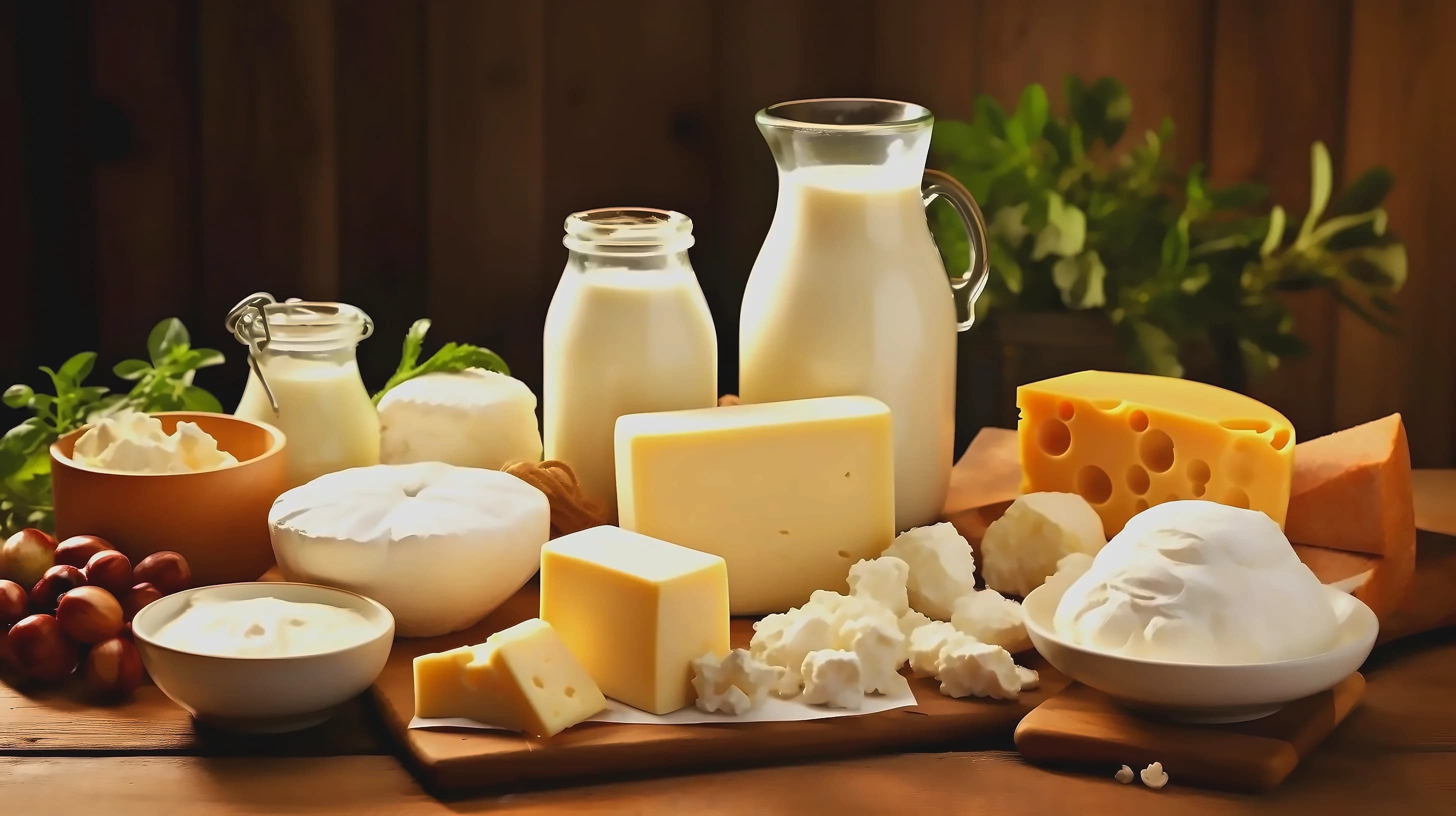
Beyond Mishti Doi, ITC offers Shahi Lassi as a premium differentiated offering, Cow Ghee with 90% low cholesterol as a health-focused variant, and a comprehensive range including pouch milk, curd, paneer, and lassi. The premium 'Select' milk variant, positioned as "Creamy Rich," has been driving growth alongside these value-added products. This regional customization creates emotional connections that accelerate consumer switching from loose to packaged dairy. InvestorPresentations +1
Project Gomukh: Direct Farmer Engagement
Project Gomukh represents ITC's backward integration strategy, engaging with over 40,000 dairy farmers and directly procuring milk from producers. During the year, the company supported around 33,300 farmers across more than 560 villages in Bihar, West Bengal, and Jharkhand through veterinary services, cattle feed distribution, deworming, mastitis control, and other animal husbandry initiatives.
This direct farmer-driven model eliminates intermediary margins, reducing procurement costs while improving quality consistency. ITC provides farmers with infrastructure including automated milk collection units, milk chillers, and automatic milk testing equipment at the village level. The company has also trained 1,870 women as 'Pashu Sakhis' who provide extension services to animal owners, creating rural entrepreneurs while improving animal health and productivity. AnnualReports +2
Farmer Support and Productivity Impact
ITC's comprehensive farmer support initiatives create a causal chain from intervention to productivity improvement. Professional veterinary teams provide deworming treatments, ectoparasite control, mastitis control programs, and training on clean milk production. These interventions reduce disease incidence—industry benchmarks show farms implementing comprehensive dairy innovations report 25-30% reductions in disease incidence. AnnualReports +1
Cattle feed distribution and nutrition training improve feed efficiency by 15-20%, directly impacting farmer profitability since feed costs represent 50-60% of total milk production costs. ITC's broader agricultural initiatives demonstrate the impact: over 35,000 farmers who adopted the complete package of practices reported doubling of income, while partial implementation resulted in income increases of 30% to 75%. AnnualReports +1
Processing Infrastructure Network
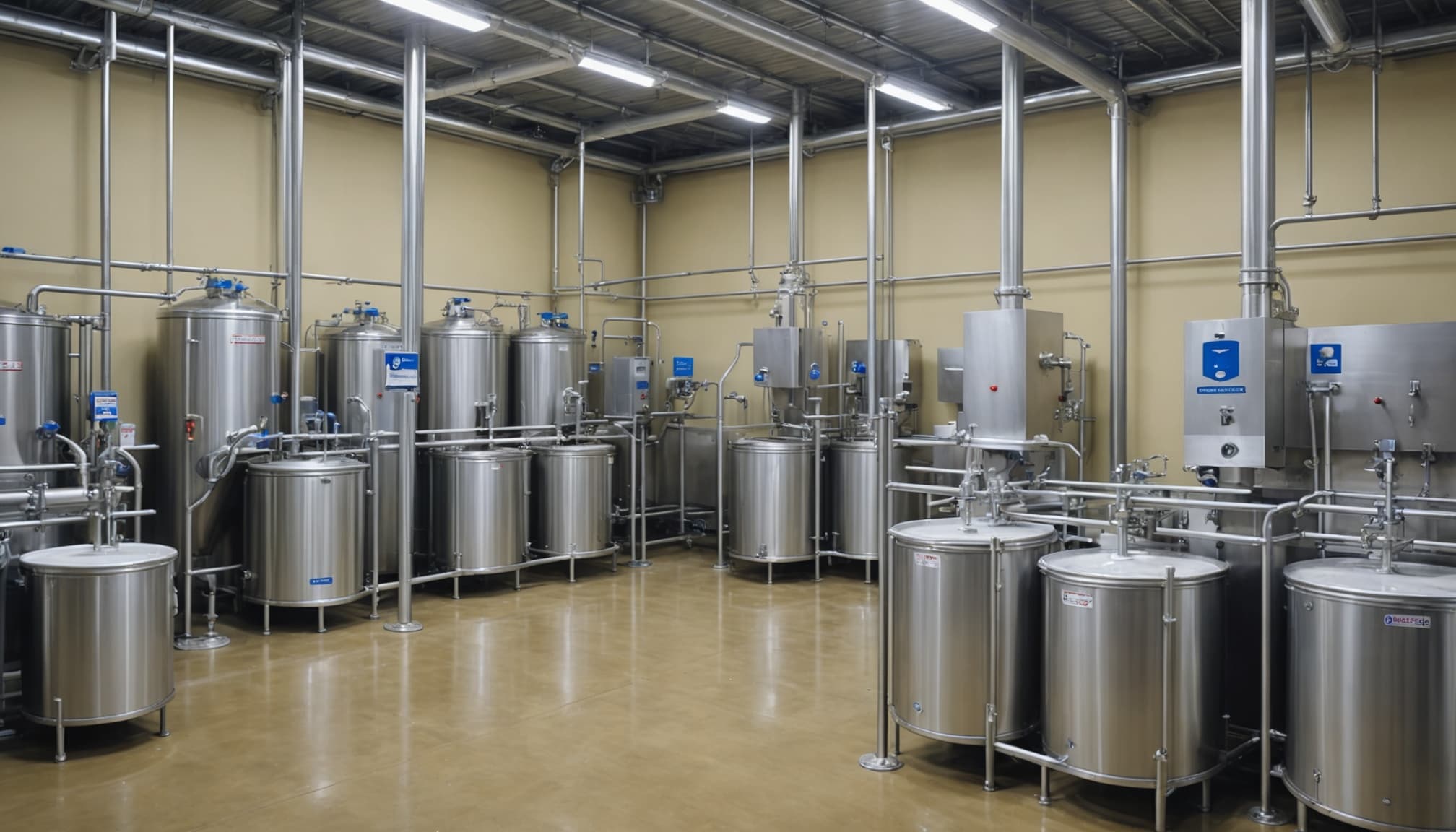
ITC operates seven dairy processing facilities strategically located across Eastern India: Munger, Patna, Muzaffarpur, and Gaya in Bihar; Ranchi in Jharkhand; and Howrah and Bardhaman in West Bengal. This distributed plant network enables reduced distance-to-market, fresher product delivery, and lower freight costs. InvestorPresentations
The company has invested significantly in state-of-the-art Integrated Consumer Goods Manufacturing and Logistics facilities (ICMLs) located proximal to large demand centers. Currently, 12 ICMLs are operational, enabling delivery of fresher products, reduction in distance to market, and delayering of operations. This infrastructure supports rapid distribution network scale-up across the three states. InvestorPresentations
Balancing Investment and Conversion Pace
ITC faces trade-offs between capital investment in processing infrastructure and the pace of converting loose milk consumers. Establishing robust cold chain infrastructure requires significant capital investment, often exceeding INR 5 crores for small to medium-sized enterprises. The company pursues an "asset-right" growth path rather than heavy upfront capital expenditure across all markets simultaneously. AnnualReports
The strategy involves phased geographic expansion—starting with Bihar in 2018, expanding to West Bengal, and then extending to Jharkhand. This measured approach allows ITC to optimize infrastructure utilization while building brand presence before geographic expansion. The company focuses on commanding premium through quality differentiation rather than competing on price in the loose milk segment. InvestorPresentations +1
Economies of Scale Through Geographic Concentration
The geographic concentration in Bihar, West Bengal, and Jharkhand enables ITC to build scale efficiencies within the focused region. The concentrated operations allow for targeted investment in cold chain infrastructure and quality assurance systems, which can be efficiently deployed across the network. AnnualReports +1
However, this concentration also constrains broader economies of scale. The highly focused geographic presence restricts the business's ability to achieve national-level economies of scale, limiting volume potential compared to pan-India competitors. With limited geographic spread, fixed costs related to brand building, marketing, and quality systems are spread over a smaller volume base. AnnualReports +3
Financial Impact and Growth Contribution
ITC's dairy business has emerged as a critical growth engine within the Foods Division, contributing to both revenue growth and margin improvement. The dairy category records high double-digit growth and remains among ITC's fastest-growing categories. The FMCG-Others segment (which includes dairy) delivered robust performance in FY26, with Segment PBIT up 42% YoY in Q3.
The shift toward premium products drives average realization per liter improvement through mix enhancement. Premium milk variants typically command 15-25% price premium over standard liquid milk, while value-added products like curd, paneer, and Mishti Doi command even higher premiums. This premiumization strategy supports margin expansion as the business scales.
The Rs 20,000 Crore Target
ITC expects consumer spending on its flagship food brand Aashirvaad to double to Rs 20,000 crore over the next five years, from around Rs 10,000 crore currently. The growth strategy involves two parallel tracks: strengthening Aashirvaad's core atta business and entering adjacent segments including ready-to-cook products and frozen foods.
Dairy's high double-digit growth trajectory makes it a critical contributor to achieving this target. The current dairy consumer spend of approximately Rs 1,500-2,000 crore could grow significantly through market conversion, geographic expansion, and product portfolio expansion. Success depends on executing the loose milk conversion strategy, infrastructure scaling, and maintaining quality standards that support premium positioning.
Competitive Advantages and Brand Equity
ITC's integrated farmer-to-consumer model provides several competitive advantages against both regional and national dairy players. The direct farmer-driven milk procurement network enables superior quality control and traceability, while the extensive distribution network with UNNATI eB2B platform covering more than 8 lakh outlets ensures superior product availability. InvestorPresentations +1
The Aashirvaad brand equity from atta and staples plays a crucial role in influencing consumer trust and adoption rates for dairy products. Aashirvaad maintains No. 1 position in branded atta for over 14 years and is trusted by more than 3.5 crore households. Consumers associate the brand with purity, freshness, soft rotis, family care, and dependable quality—attributes that transfer seamlessly to dairy products.
This established trust, combined with quality-first positioning, regional product customization, and integrated supply chain infrastructure, positions ITC to capture the significant opportunity in Eastern India's dairy market as consumers transition from loose to packaged dairy products.