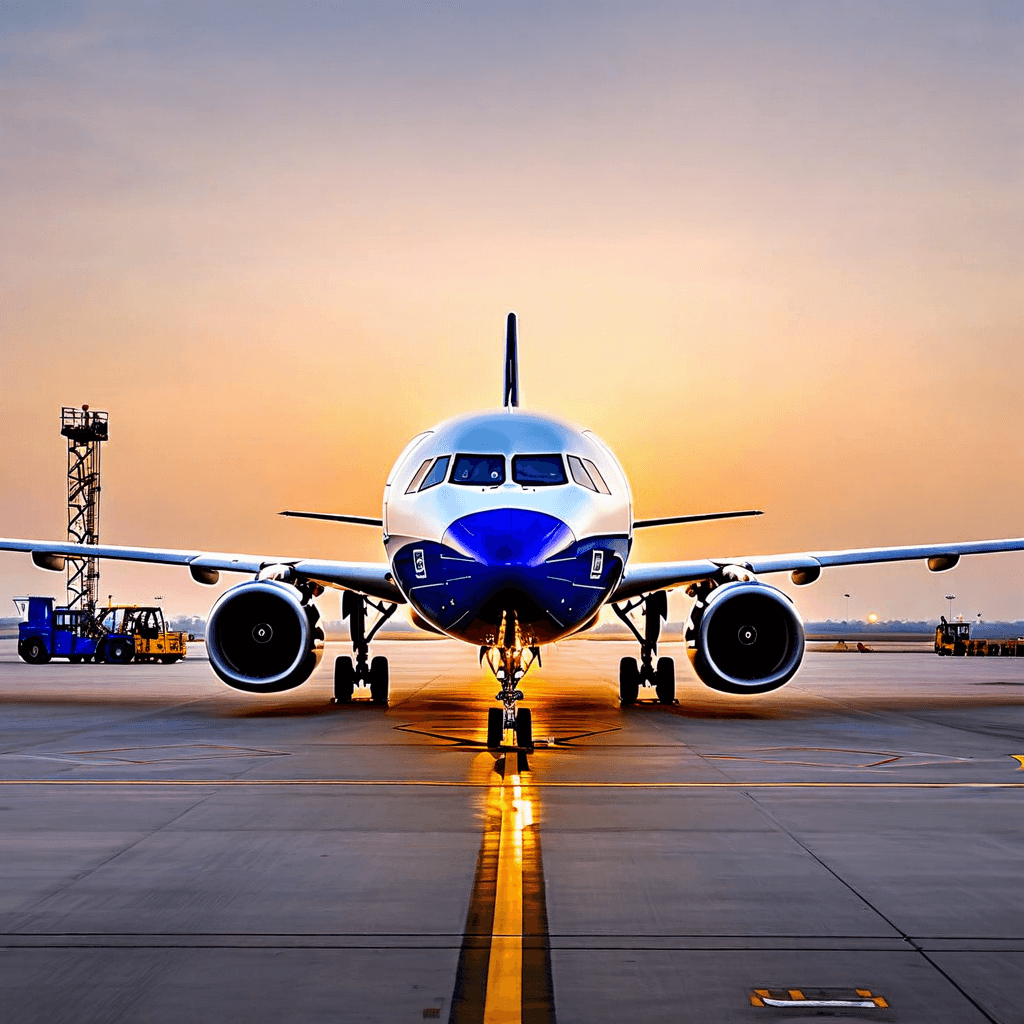
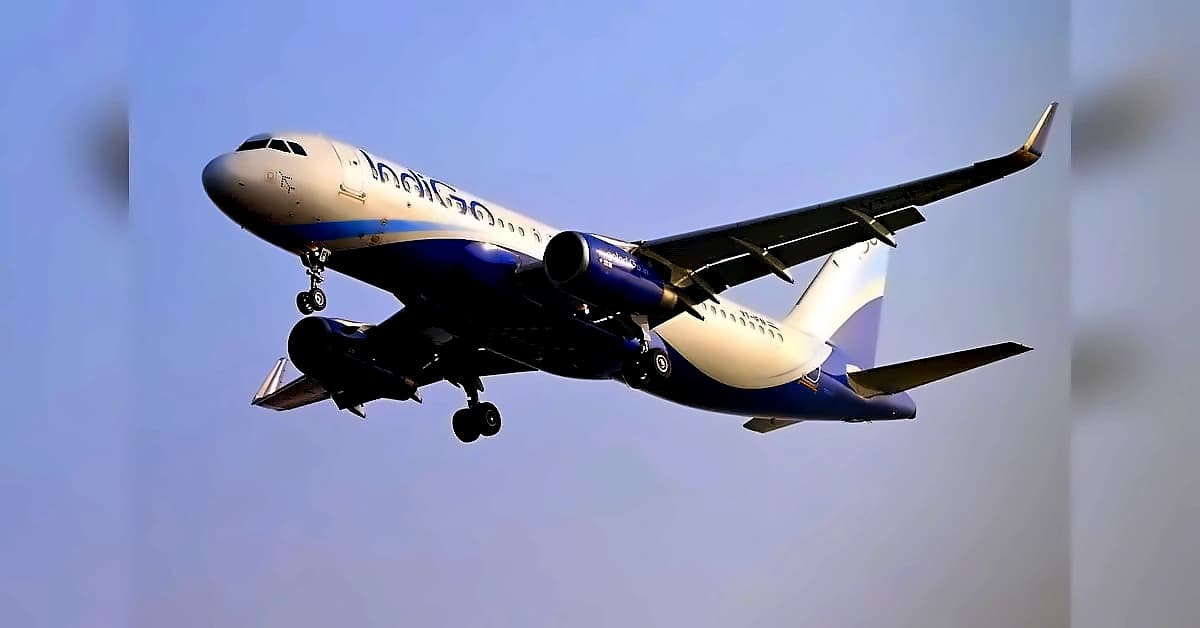
InterGlobe Aviation (IndiGo) just pulled off one of the most dramatic leadership shakeups in Indian aviation history. After a December 2025 operational meltdown that saw on-time performance crash to a historic 8.5% and over 5,000 flights cancelled, CEO Pieter Elbers resigned in March 2026. Enter William Walsh—the former British Airways and IAG chief who's expected to take charge by August 2026. It's a bold move that signals IndiGo is done making excuses and ready for a serious operational overhaul.
The December Disaster: What Went Wrong
Here's the thing about the crisis—it wasn't bad luck. It was a planning failure. New Flight Duty Time Limitation (FDTL) rules from the Directorate General of Civil Aviation (DGCA) kicked in November 1, 2025, requiring pilots to get 48 hours of rest weekly instead of 36. IndiGo simply misjudged how many pilots they'd need under these stricter norms. The result? Between December 3-5 alone, 2,507 flights got cancelled and another 1,852 delayed, affecting over 300,000 passengers nationwide. The DGCA wasn't amused—they slapped IndiGo with a ₹22 crore fine and demanded a ₹50 crore bank guarantee, while cutting the winter schedule by 10% until February 2026.
The financial hit was real. Q3 FY26 net profit plummeted 77% year-over-year to ₹5.5 billion, with exceptional costs including a ₹9.7 billion labor code provision and customer compensation expenses. Even excluding these one-time items, profit dropped 19% to ₹31.3 billion. Unit costs excluding fuel are climbing mid-single digits, and forex losses of ₹10.4 billion in the quarter didn't help either.
Why Walsh? The Pilot-Turned-Fixer
Walsh isn't your typical airline CEO. He started as a cadet pilot at 17 and flew Boeing 737s before moving into management. That cockpit experience gives him something rare: genuine understanding of operational realities. When British Airways' Terminal 5 opened in 2008 and descended into chaos, Walsh didn't issue apologies—he fired responsible managers immediately and took remedial action. Within months, BA was advertising its exceptional punctuality.
His crisis resume reads like an aviation survival guide. At Aer Lingus after 9/11, he transformed a €52 million loss into a €69 million profit within two years, cutting 30% of operating expenses and reducing staff by one-third. During the 2008 financial crisis at BA, he navigated pension deficits, fuel hedging strategies, and labor disputes that included 22 strike days over 18 months. And through COVID-19? He extended his IAG tenure to guide the group through what he called "by far the biggest crisis the aviation industry has ever faced," eliminating 12,000 positions and raising €2.75 billion in capital.
The Trade-Off: Growth vs. Discipline
Under Elbers, IndiGo prioritized aggressive expansion—57 new aircraft in 2025, fleet reaching 440 planes, and international capacity growing 10% year-over-year. That growth-first mentality built India's dominant carrier with 64.2% market share, but it also created vulnerabilities. Walsh brings a different philosophy: structural reform over temporary fixes. "Anyone who believes that this is just a temporary crisis and can be resolved through temporary measures is misguided," he's said about crises.
Expect a shift toward capacity discipline, productivity improvements, and rigorous cost scrutiny. But there's risk here—Walsh's legacy carrier cost-cutting style could clash with IndiGo's low-cost DNA. The challenge will be maintaining service quality while tightening operations. His mandate includes strengthening operational performance, advancing network strategy, and enhancing customer experience—a balancing act that will define his tenure.
The Road Ahead: Challenges and Opportunities
Walsh's appointment isn't a done deal yet. As a foreign national, he needs security clearance from India's Ministry of Home Affairs—a process that has delayed other aviation executives for months or even years. Christoph Schnellmann, CEO of Noida International Airport, has been waiting six years for his clearance. The interim period under founder Rahul Bhatia provides stability, but four months is a long stretch in aviation.
The competitive landscape is intensifying. Air India Group, backed by Tata's deep pockets, controls 27.3% market share and is consolidating post-Vistara merger. Akasa Air has established itself as a solid #3 with strong operational metrics. The government has even approved three new airlines—Shankh Air, Al Hind Air, and FlyExpress—deliberately trying to reduce duopoly power.
Yet IndiGo's advantages remain formidable. ₹369.4 billion in free cash provides a substantial buffer. The airline was the first in India to secure Japanese JOLCO financing, and its $820 million GIFT City investment is shifting the fleet toward ownership (targeting 30-40% by 2030). With 130+ destinations and 2,200+ daily flights, the network scale is unmatched.
The Bottom Line
William Walsh's appointment is IndiGo's bet that proven crisis management beats continuity. His track record suggests he can restore operational reliability, improve margins, and navigate complex regulatory relationships. But success isn't guaranteed—cultural integration, regulatory approvals, and competitive pressures all pose real challenges.
The next 18 months will tell us whether this leadership transition marks a turning point or just another chapter in IndiGo's turbulent journey. One thing's certain: the era of growth-at-all-costs is over, and the era of operational discipline has begun. For India's 300 million+ annual air passengers, that's probably good news. For IndiGo's competitors, it's a wake-up call.