India's semiconductor story is shifting from "we want to build chips" to "we're building an ecosystem." The India Semiconductor Mission (ISM) 2.0, approved with an ₹8,000 crore allocation for 2026-27, represents this evolution from ecosystem creation to advanced manufacturing and global integration . The goal is ambitious—targeting 70-75% of domestic applications by 2029 and positioning India among the top semiconductor nations globally by 2035 .
The Sanand Bet: A ₹3,300 Crore Gamble
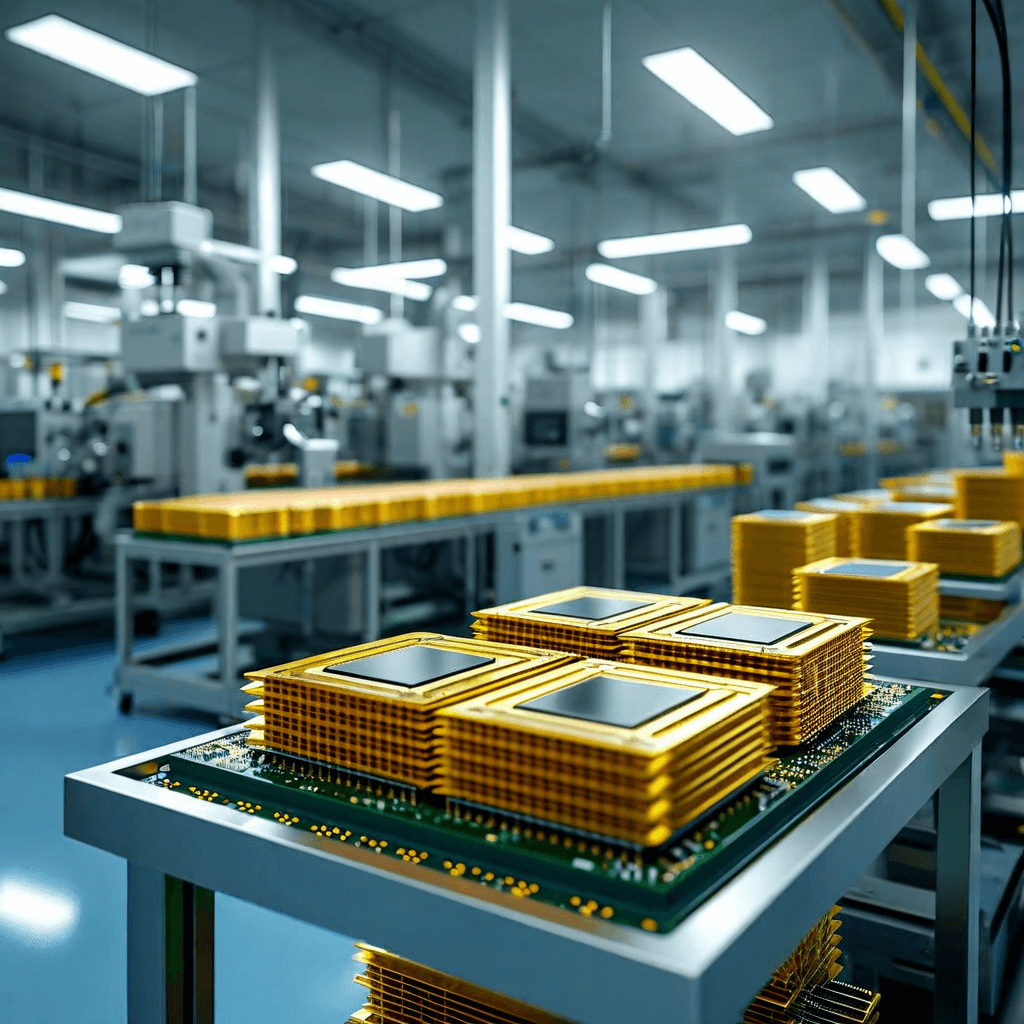
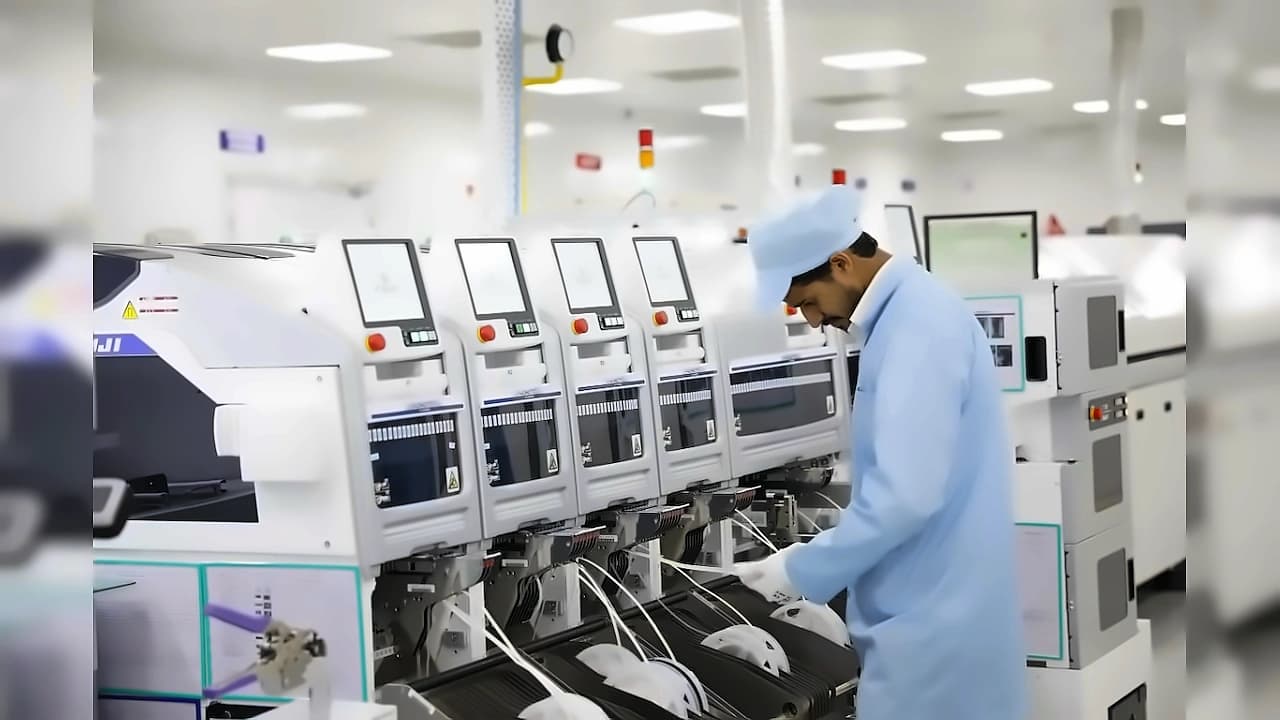
At the heart of this transformation is Kaynes Technology India, which has placed a massive ₹3,300 crore bet on its Outsourced Semiconductor Assembly and Test (OSAT) facility in Sanand, Gujarat. Inaugurated by Prime Minister Narendra Modi in March 2026, this facility can produce 6 million chips per day when fully operational .
This isn't just an upgrade—it's a transformation. Kaynes is moving from being an Electronics Manufacturing Services provider to a full-fledged semiconductor backend manufacturer. The company targets ₹1,500 crore revenue from the semiconductor business alone by FY28 , a significant leap considering its total revenue stood at ₹2,721.8 crore in FY24-25 .
Why Sanand? The Logistics and Talent Advantage
Location matters in semiconductors, and Sanand offers compelling advantages. The facility sits near Mundra and Kandla ports, with the Western Dedicated Freight Corridor slashing transit times to under 11 hours . For an industry where time is money, this is crucial.
Then there's the talent. India already possesses approximately 25% of the global chip design workforce , and Gujarat has been aggressive in building a semiconductor talent pipeline. Partnerships with institutions like IIT Gandhinagar, SVNIT, and Nirma University are creating a steady stream of skilled engineers . The Chips to Startup (C2S) Programme alone aims to train 85,000 industry-ready professionals , directly addressing the workforce needs of facilities like Kaynes Semicon.
The Technology Edge: Synopsys and Advanced Packaging
Kaynes Semicon isn't just assembling chips—it's bringing sophisticated technology to the table. The company has partnered with Synopsys to integrate multiphysics simulation tools into its workflows . This enables simulation-led reliability and full-package design optimization, giving Kaynes capabilities in advanced packaging like Multi-Chip Modules (MCMs) and System-in-Package (SiP) technologies .
This technology focus aligns perfectly with high-growth segments. The automotive semiconductor market in India is growing at 15.42% CAGR to reach ₹434.90 billion by 2030 , driven by EV adoption where each vehicle contains 3-5x the semiconductor content of conventional ones . Kaynes' focus on power semiconductors and industrial electronics positions it to capture this demand.
Riding the Geopolitical Wave
The timing couldn't be better. Global semiconductor supply chains are undergoing a massive restructuring due to geopolitical tensions. With Taiwan's TSMC controlling over 60% of the world's semiconductors , companies are actively pursuing the "China Plus One" strategy to diversify away from concentrated risks.
India is emerging as a preferred "friendshoring" destination . The numbers tell the story—US imports from India increased by 1,152% from 2019 to 2023 . India's participation in initiatives like Pax Silica, a US-led effort to strengthen AI supply chains among democratic nations , further cements its position as a trusted alternative.
Cost Competitiveness and Market Opportunity
India's cost advantages are significant. The country ranks as the #1 lowest-cost manufacturing destination globally with a cost index of 70-75 compared to China's baseline of 100 . Manufacturing wages in India are approximately half or less than in China .
The market opportunity is enormous. India's semiconductor market is projected to grow from $38 billion in 2023 to $100-110 billion by 2030 . Even capturing a small fraction of this market represents substantial growth. Kaynes Semicon's addressable market in domestic OSAT services alone could reach ₹9,000-20,000 crore by 2030 .
Challenges and the Road Ahead
It's not all smooth sailing. OSAT players face cost inflation risks from crude-linked inputs like epoxy and resins . There's also execution risk—ramping up advanced packaging technology is complex, and competition from established players in Taiwan, China, and Malaysia is intense.
But the strategic positioning is strong. Kaynes Semicon is part of the Sanand semiconductor cluster alongside Micron Technology's ATMP facility and CG Semi's OSAT unit , creating ecosystem advantages. The company has already shipped 900 Multi-Chip Modules to Alpha & Omega Semiconductor (AOS), USA , demonstrating its export capabilities.
The Bottom Line
Kaynes Semicon's ₹3,300 crore investment represents more than just capital expenditure—it's a strategic bet on India's semiconductor future. With government support through ISM 2.0, cost advantages, a growing talent pool, and favorable geopolitical winds, the company is positioning itself as a key player in India's emergence as a global semiconductor manufacturing hub.
The question isn't whether India will build its semiconductor ecosystem—the momentum is undeniable. The real question is how quickly companies like Kaynes Semicon can scale to capture the opportunity. If execution matches ambition, this could be the beginning of India's semiconductor success story.