The Double Whammy: Global Prices and the Falling Rupee
India's power sector is currently grappling with a classic case of bad timing.
This surge is driven by elevated LNG prices linked to Middle East conflicts and tighter export restrictions from Indonesia, the world's largest coal exporter. For India, which imports a significant portion of its thermal coal, this global price hike is painful enough. But a weakening rupee has turned a sting into a punch.
This currency movement acts as a force multiplier on import costs. Since coal is traded in dollars, every rupee lost against the greenback directly inflates the landed cost. A rough calculation shows that moving from an exchange rate of 90 to 95 adds nearly 6% to the cost of imported coal. When combined with the 45% year-on-year surge in global coal prices, the total cost increase in rupee terms is staggering.
This dynamic is precisely why the government recently shelved a proposal to mandate coal imports. Policymakers concluded that the economics simply didn't add up. Imported coal is already significantly pricier than domestic fuel—in 2024, Indonesian coal cost roughly three times the equivalent domestic grade. With global prices at a three-year high and the rupee plumbing new depths, forcing power plants to blend imported coal would have ballooned the country's energy import bill and placed immense financial stress on already debt-laden state distribution companies.
The Domestic Gamble: Can Coal India Deliver?
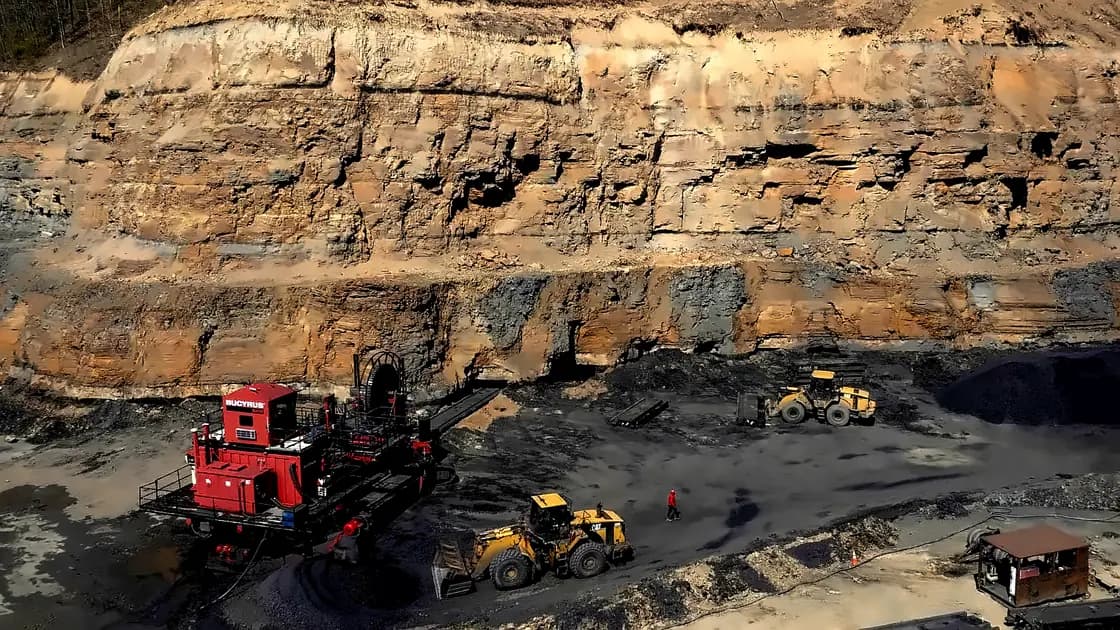
Faced with expensive imports, the government has placed its bet on domestic supply. It has asked state-owned Coal India Limited to boost output and instructed Indian Railways to ensure timely transportation. The logic is straightforward: domestic coal is cheaper, and using it saves foreign exchange. But the feasibility of this strategy rests entirely on Coal India's ability to ramp up production and the railways' capacity to move that coal to power plants.
Recent data offers a mixed picture. In September, Coal India's production grew by a respectable 9.2% year-on-year to 53.5 million tonnes. However, this growth is coming off a relatively low base, and the company's production increase in the previous fiscal was a mere 0.94%. The long-term roadmap is ambitious, with a target of reaching 1 billion tonnes of production by FY2029-30, backed by 124 ongoing projects. But in the immediate term, the company is relying heavily on drawing down its pithead stocks—around 63 million tonnes were liquidated in the first half of the current fiscal—to meet demand. Investor Presentation +1
The government points to a 36% increase in daily coal supplies to the power sector from September lows as evidence of success. While this jump is impressive, it's important to understand what's driving it. A significant portion of this increase comes from improved logistics rather than a sudden surge in mining output. The monsoon season, which typically hampers mining and rail movement, has receded. This has allowed both Coal India and the railways to clear backlogs and dispatch coal more efficiently. The real test will be whether Coal India can sustain higher production levels once the pithead buffer is depleted.
The Railway Bottleneck: Rakes and Recovery
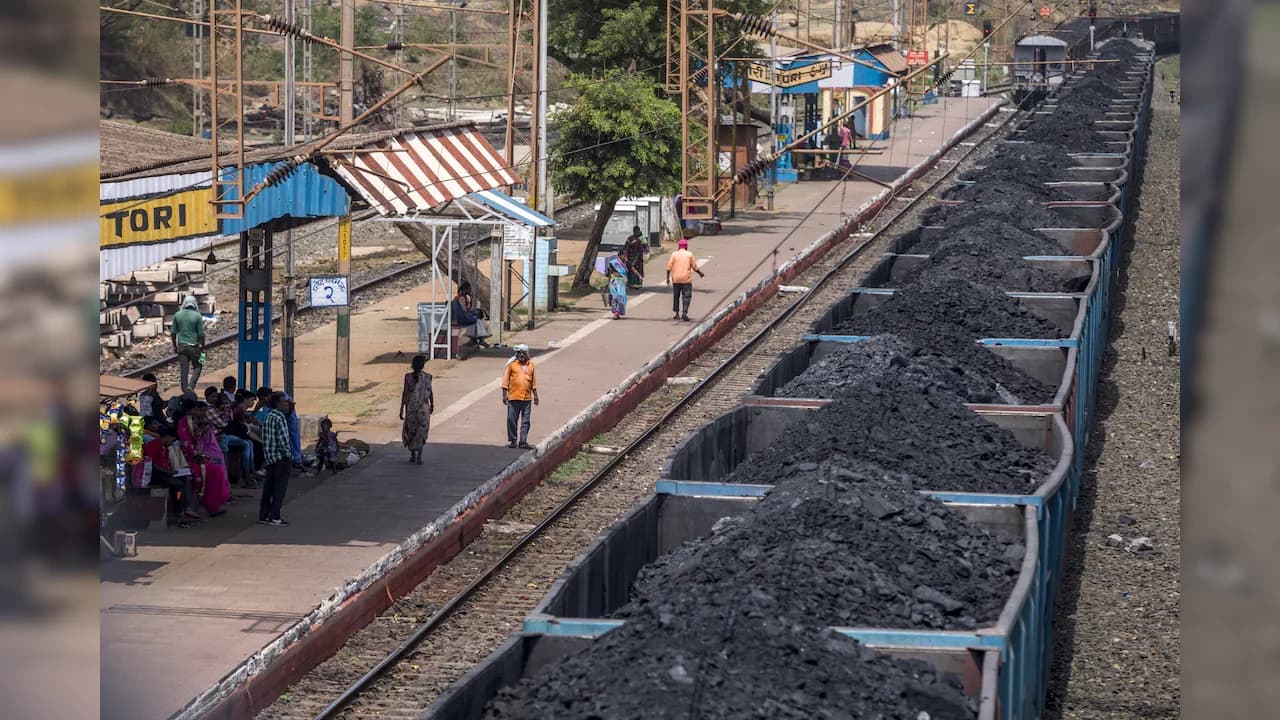
For years, the railway network has been the critical link in India's coal supply chain, and recent events have underscored its importance. In September, coal inventories at power plants plummeted to critically low levels, with nearly half of the country's thermal power stations holding less than a quarter of their required fuel stocks. This depletion wasn't primarily due to a lack of coal at mines—Coal India held around 76 million tonnes at pitheads—but rather a failure to transport it fast enough.
The bottleneck was acute in September, when heavy rains in coal-producing states disrupted mining and rail operations. Daily rake loading to the power sector had dipped to around 370 rakes per day at one point. The situation has since improved dramatically. Indian Railways has stepped up, averaging over 465 rakes per day in October and hitting the 470-rake target on multiple occasions. This logistical surge has slowed the rate of stock depletion from 0.243 million tonnes per day in September to 0.116 million tonnes in October.
However, stabilisation is not the same as recovery. While the rate at which stocks are falling has slowed, actual stock rebuilding has not yet commenced. The Ministry of Coal believes that maintaining a loading rate of 465–475 rakes per day will be sufficient to rebuild inventories, but this projection hinges on a crucial assumption: that power demand will moderate as temperatures cool. If demand remains stubbornly high, the current railway effort may only manage to keep the system treading water, rather than refilling the tank.
The Monsoon's Shadow: Hydropower's Hidden Cost
The current coal crunch is not solely a story of supply chains; it is also a story of weather. A weak monsoon, characterised by a rainfall deficit of around 13-15%, has had a cascading effect on India's power sector. The most immediate impact has been on hydropower generation, which fell nearly 12% below projected requirements in the first half of the fiscal year. In September alone, hydro output dropped 16% year-on-year.
This shortfall has forced a heavy reliance on coal-fired power plants to pick up the slack. Thermal power generation surged 16% in September to compensate for the lack of hydro. This increased coal burn came at the worst possible time, coinciding with the logistical disruptions caused by the monsoon itself. The result was a rapid drawdown of coal inventories at power plants, pushing them into critical territory.
The designation of "critical stock" is a norm-based trigger used by the Central Electricity Authority. It flags plants holding less than 25% of their normative requirement or less than three days of fuel. The government emphasises that this is an early-warning system, not a sign of imminent shutdowns. However, with nearly half of all plants in this category as of mid-October, the system is clearly under immense strain. The government's recovery plan is essentially a bet on the weather: it expects temperatures to decline and electricity consumption to ease, allowing coal supplies to catch up with demand.
The Policy Pivot: Imports vs. Domestic Measures
The government's decision to shelve the import mandate in favour of domestic measures represents a calculated policy trade-off. On one side was the option to mandate coal blending, which would have provided an immediate supply boost but at a high financial cost. It would have widened the trade deficit, increased the burden on discoms, and contradicted the long-term goal of reducing import dependence.
On the other side was the option to push domestic supply, a route that is cheaper and aligns with import substitution goals but is operationally constrained and slower to yield results. The government chose the latter, bolstered by the fact that the core problem was identified as a logistical bottleneck rather than a fundamental lack of coal.
To bridge the gap in the short term, the government invoked Section 11 of the Electricity Act, directing over 100 captive coal-fired power plants to operate at maximum capacity from October 1 through the end of the year. This move aims to unlock existing generation capacity that wasn't reaching the grid. It's a quantity-based intervention that avoids the high cost of imports but places a public service obligation on industrial players. Alongside this, the government is relying on the coordinated efforts of Coal India and the railways to move fuel to the most vulnerable plants.
The coming months will reveal whether this high-wire act succeeds. The strategy is predicated on a seasonal decline in power demand and the ability of the domestic supply chain to perform without hiccups. If the weather doesn't cooperate or if logistical constraints resurface, the expensive option of imported coal may once again find its way onto the policy table. For now, India is betting on its own rails and mines to keep the lights on.