India has shelved a proposal to mandate coal imports in order to boost dwindling stockpiles at the country's power plants, as rising seaborne prices and a weaker rupee inflate the costs of incoming shipments. According to reports from Bloomberg, the government in recent weeks discussed a plan to ask power plants to blend imported grades with domestic coal in order to ease the current supply crunch, but high costs have now made this proposal untenable. The decision reflects the challenging market conditions where benchmark thermal coal prices are currently at the highest in three years, as reported by Bloomberg, deterring purchases at a time when higher oil prices have already driven up the country's energy bill.
The country's coal reserves have plunged to the lowest in nearly five years after a poor monsoon kept temperatures elevated well past the summer months, spurring electricity demand for cooling and irrigation. As reported by Bloomberg, nearly half of India's power plants had 'critical' levels of fuel inventory as of October 17, holding less than a quarter of what's required. The nation's electricity deficit also surged in September, marking the worst power shortages for the month in nearly a decade. While power demand remains high in October, inventory depletion has slowed significantly with average daily reduction at domestic coal-burning facilities in the first 17 days of October was about 48,000 tons, a fifth of the rate seen last month. According to Bloomberg's calculations based on power ministry data, coal stocks remain under pressure with plants holding 20.6 million tonnes of coal, equivalent to 33% of the recommended stock of 61.2 million tonnes.
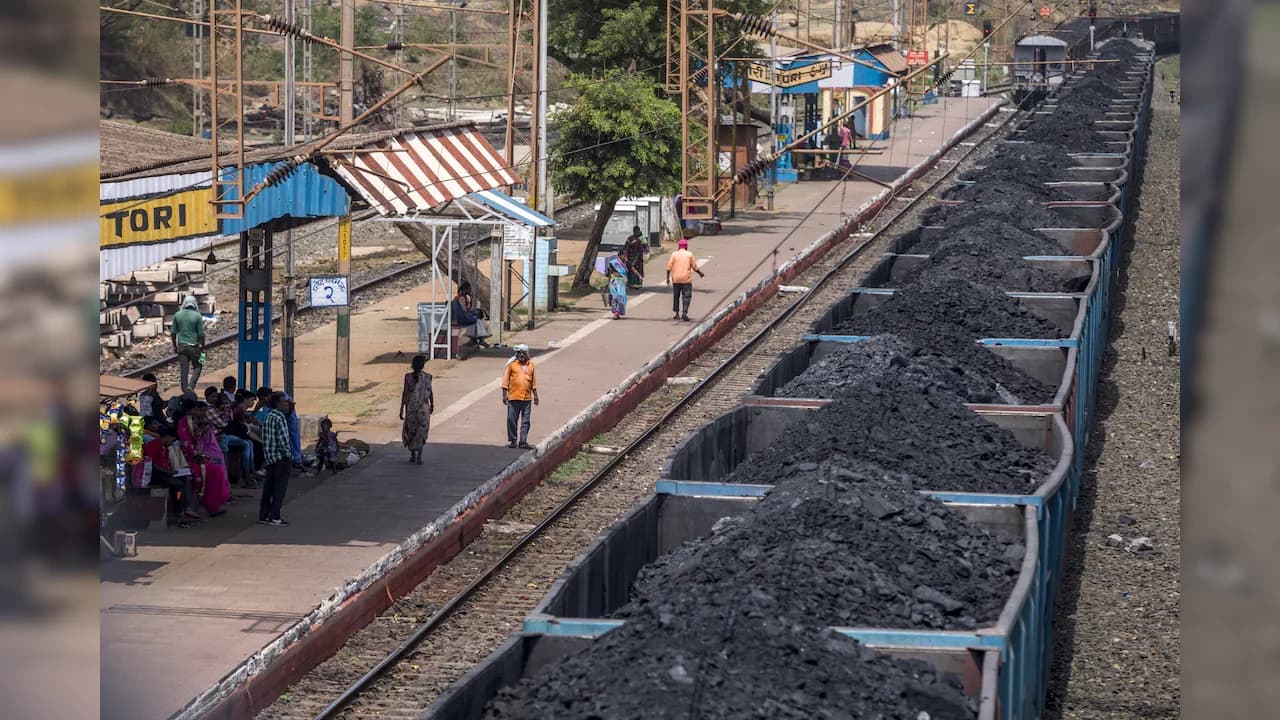
Policymakers have instead asked state-owned giant Coal India Ltd. to boost output and the railway to help secure timely transport to power stations, according to Bloomberg reports. The power ministry and Coal India didn't immediately respond to requests for comment regarding these measures. Meanwhile, Indian power is far cheaper than oil, though not cheaper than domestic coal, with Indian power sitting in the middle of the cost ladder. In FY2024, NVVN averaged Tk 8.07 a kWh, PTC Tk 9.28 and Sembcorp Tk 10.42, all cheaper than system-average coal, while Adani's Godda plant averaged Tk 14.87, all well under the Tk 27.39 that liquid fuel cost in FY2025.
Benchmark thermal coal prices are currently at the highest in three years, according to data compiled by Bloomberg, deterring purchases at a time when higher oil prices have already driven up the country's energy bill. As reported by Bloomberg, with cooler weather setting in, the government expects power consumption to slow just as reserves are replenished, with mean temperatures expected to decline slightly over the next two weeks, although they are expected to remain above the 30-year normal according to the European Centre for Medium-Range Weather Forecasts. The weaker rupee has added to the cost of imports, while below-normal rainfall has reduced hydropower generation, increasing the burden on coal-fired power plants and depleting their reserves.
While power demand remains high in October, inventory depletion has slowed significantly. According to Bloomberg's calculations based on power ministry data, average daily reduction at domestic coal-burning facilities in the first 17 days of October was about 48,000 tons, a fifth of the rate seen last month. The government expects electricity consumption to ease as temperatures decline and coal inventories begin to recover. The coal ministry had said earlier this month that daily coal supplies to the power sector had increased by around 36% from September levels and that the pace of inventory depletion had moderated. Rail loading has strengthened, averaging more than 465 rakes a day in October, with the target of 470 rakes achieved on three consecutive days, as reported by the ministry.