The Transaction Structure and SEBI Open Offer Trigger
This transaction involves the transfer of management control, which triggers Regulation 4 of the SEBI (Substantial Acquisition of Shares and Takeovers) Regulations, 2011. Under these regulations, any acquisition of control mandates a mandatory open offer to public shareholders for at least 26% of the target company's paid-up equity capital.
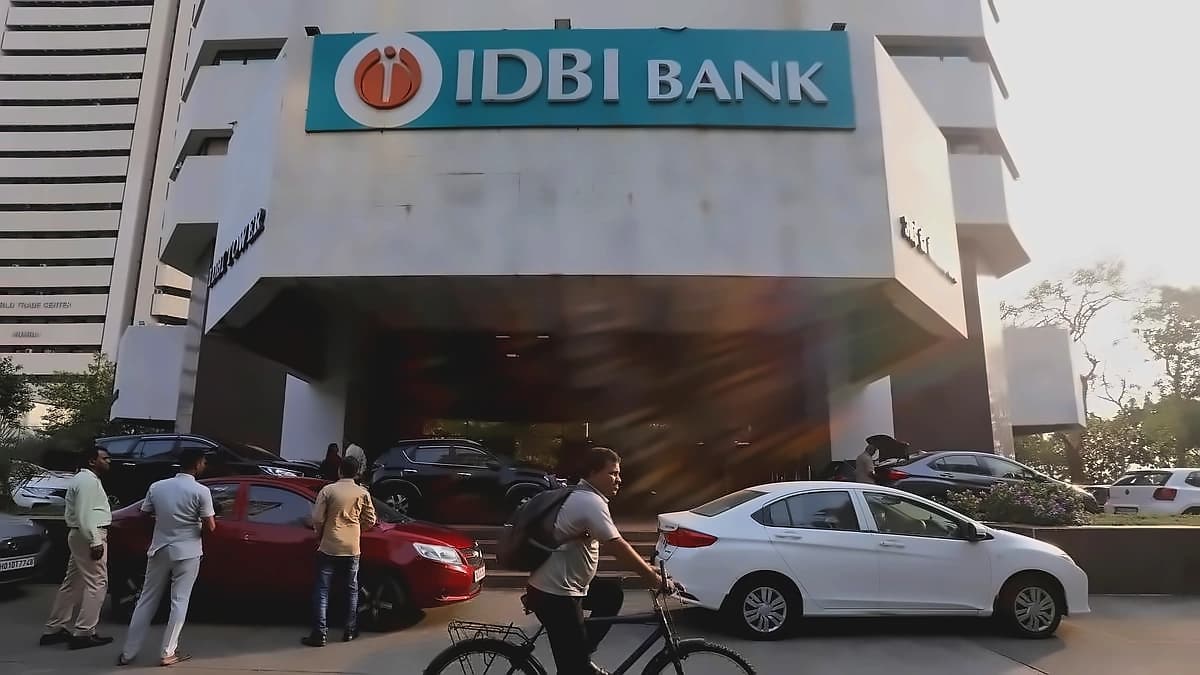
Combined with the strategic stake purchase of ₹53,000 crore, Fairfax's total potential outlay could reach ₹75,700 crore. The open offer price of ₹81 represents a 6.4% discount to IDBI Bank's closing price of ₹86.54 on July 14, 2026, reflecting the strategic sale discount for control transfer and bulk transaction considerations.
Regulatory Hurdles: RBI Guidelines and Dual Bank Control
The proposed acquisition faces significant regulatory challenges under RBI's August 29, 2011 guidelines, which restrict aggregate non-resident shareholding to 49% in new private sector banks for the first five years from licensing. However, DIPAM has clarified that these guidelines apply to new banks, not existing entities like IDBI Bank, and has permitted foreign funds to own more than 51% in this transaction.
A more pressing regulatory conflict arises from Fairfax's existing 40% stake in CSB Bank. RBI rules prohibit any entity from owning and operating two separate banks simultaneously. This creates a direct violation of the single NOFHC (Non-Operative Financial Holding Company) principle, which requires promoters to hold banking assets through a single holding company structure. The government has reportedly offered Fairfax a two-year grace period to resolve this conflict, either by selling its CSB stake or merging it with IDBI Bank.
Valuation Concerns and Asset Valuation Issues
The proposed price represents a 10.7% discount to IDBI Bank's current market price of ₹90.68 and a substantial 31.6% discount to its 52-week high of ₹118.45. More critically, the implied price-to-book ratio of 1.18x is significantly below IDBI Bank's current P/B of 1.42x and the industry average of 2.08x, suggesting a potential undervaluation of 43% relative to peer banks.
A major component of this undervaluation concerns IDBI Bank's real estate portfolio. The bank holds 120 properties across India's top seven cities, including 68 in Mumbai, which were acquired decades ago at historical costs. The current commercial value of these prime urban properties could be substantially higher than their book value, potentially running into thousands of crores. The United Forum of IDBI Officers and Employees has warned that without proper valuation, these publicly accumulated assets could become an "unintended windfall" for the acquirer.
LIC Policyholder Impact and Disclosure Deficiencies
LIC's 49.24% stake in IDBI Bank represents significant policyholder value that could be eroded by an undervalued sale. At the proposed price, LIC would receive approximately ₹26,440 crore for its 30.24% stake. However, if IDBI Bank were valued at peer average P/B multiples, this could increase to ₹38,860 crore, representing a potential loss of ₹12,420 crore to policyholders. Including unrealized real estate value, total potential losses could reach ₹15,960-17,560 crore.
The transaction has also been marred by disclosure failures. IDBI Bank's July 14, 2026 NSE filing stated that the bank "had not received any government communication regarding the ongoing disinvestment process," despite widespread media reports about Fairfax's selection. This lack of transparency violates SEBI's LODR requirements for disclosing material information and has deprived minority shareholders of critical information affecting their investment decisions.
Development Finance Role and Social Implications
Privatization would fundamentally alter IDBI Bank's role as a development finance institution. The bank currently hosts over 18.72 lakh accounts under the Pradhan Mantri Jan Dhan Yojana, 10.86 lakh under PMSBY, and operates 191 Aadhaar enrolment centers and one Rural Self Employment Training Institute that has trained 7,165 candidates. The loss of this policy instrument represents a significant opportunity cost for the government's financial inclusion and development agenda.
The social implications are equally concerning. IDBI Bank's workforce includes 9,500 SC/ST/OBC employees, 6,911 women employees, and 884 differently-abled employees who enjoy constitutional protections and welfare benefits. Privatization would permanently terminate these reservations and create uncertainty for approximately 17,395 protected employees. The IDBI Bank SC, ST and OBC Employees Forum has proposed a one-time switch-over option to other public sector banks to protect these rights.
Parliamentary Assurance Breach and Strategic Analysis
The proposed disinvestment breaches a solemn parliamentary assurance given by Finance Minister Jaswant Singh in December 2003 that government ownership in IDBI Bank would not fall below 51%. This assurance was incorporated into the bank's Articles of Association and represents a serious violation of ministerial accountability to Parliament. The breach could trigger political consequences, including privilege motions and no-confidence motions, and legal challenges based on constitutional conventions.
For Fairfax Holdings, the strategic analysis presents a complex risk-reward proposition. While IDBI Bank offers 16.4x the scale of CSB Bank with a nationwide network and diversified business model, it comes with significantly higher regulatory, legal, and political risks. The risk-adjusted return for IDBI acquisition is estimated at 5-12% net of risk premiums, compared to 13-19% for CSB expansion. Fairfax may favor selling its CSB stake given the complications of merging two banks, including labour union issues and limited strategic benefit from CSB's smaller scale.
Governance Failures and Process Reforms
The disinvestment process exhibits significant governance failures, particularly the absence of an explicit open offer proposal despite clear SEBI requirements. This compares unfavorably with the aborted Central Electronics Ltd transaction, where DIPAM failed to discover bidder litigation despite employee warnings, leading to the sale being terminated in September 2022. The rushed timeline has also impacted competitive bidding, with only Fairfax and Emirates NBD remaining as final bidders after Kotak Mahindra Bank withdrew due to valuation concerns.
Section 5(1) of the Industrial Development Bank (Transfer of Undertaking and Repeal) Act, 2003 provides comprehensive protections for employee service conditions, guaranteeing the same tenure, remuneration, terms and conditions, and benefits as before the vesting of the undertaking. DIPAM's disinvestment terms violate these statutory protections by potentially altering service conditions and reducing benefits.
To address these issues, the government should structure fair compensation for IDBI Bank's human capital, recognizing the value of its development scheme participation and institutional knowledge. A phased compensation approach with immediate severance packages, transition support, and long-term protections for existing employees would help mitigate the social costs of privatization while ensuring a more equitable outcome for all stakeholders.