The Regulatory Imperative Behind the Two-Year Timeline
India’s decision to impose a two-year consolidation timeline on Fairfax Financial Holdings stems directly from Reserve Bank of India (RBI) regulations that prohibit a single entity from owning and operating two separate banks. Fairfax currently holds approximately 40% of CSB Bank, a smaller lender based in Kerala with business worth ₹86,282 crore.
This dual ownership creates an immediate regulatory conflict that must be resolved.
The two-year window represents a carefully balanced regulatory approach. It allows the landmark $5.5 billion transaction to proceed without immediate roadblocks while ensuring compliance with India’s banking ownership norms. For the government, this deal is one of its most important strategic privatisation initiatives, reinforcing its commitment to reducing state ownership in commercial enterprises. The timeline provides Fairfax with operational flexibility to execute an orderly exit from CSB Bank or complete a merger, rather than blocking the acquisition upfront. This regulatory pragmatism signals India’s willingness to accommodate major foreign investments while maintaining strict adherence to banking sector rules designed to prevent concentration of banking assets and ensure focused governance.
Ownership Restructuring: From Dual Control to Single Focus
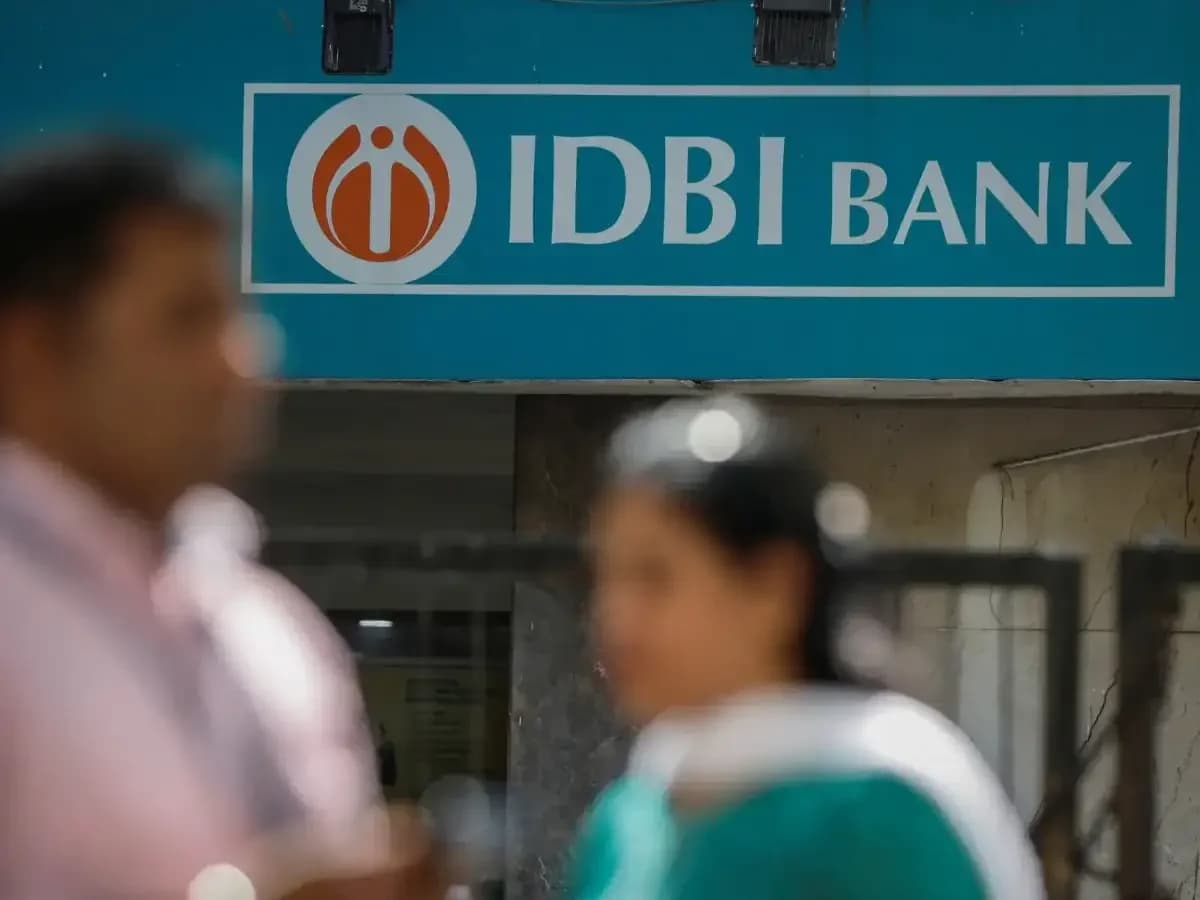
The consolidation decision will fundamentally transform Fairfax’s banking ownership structure in India. Currently, Fairfax controls CSB Bank through a 40% stake acquired in 2018 when the lender required fresh capital to overcome financial stress. Post-acquisition, Fairfax will control IDBI Bank through a 60.72% stake, creating a temporary dual-banking structure that violates RBI norms.
This preference stems from several factors: CSB Bank is 16.4 times smaller than IDBI Bank by market cap (₹5,500 crore versus ₹90,438 crore), limiting the material impact of any merger. Additionally, a merger could involve complications including labour union-related issues and operational integration challenges. A complete exit from CSB Bank would create a clean, focused banking presence centered on the much larger IDBI Bank franchise. However, CSB Bank shares have been under pressure, hitting a 52-week low of ₹321.80 in June 2026, down 44% from its 52-week high, suggesting Fairfax may not realize optimal value from a sale. The two-year window provides time to identify suitable buyers or improve market conditions.
Capital Allocation Strategy: Bonds, Liquidity, and Funding
Fairfax’s preparation for the IDBI Bank acquisition demonstrates sophisticated capital allocation. In June 2026, Fairfax executed a strategic $1 billion investment in Indian government bonds, purchasing ₹6,000 crore of 6.03% Government Securities maturing in 2029, ₹600 crore of 6.79% bonds maturing in 2027, and ₹2,600 crore of Treasury Bills maturing in May and June 2027. This bond portfolio serves multiple purposes: it creates immediate liquidity that can be deployed for the acquisition, provides a natural hedge against INR exposure, and demonstrates commitment to the Indian market.
The bond strategy significantly influences Fairfax’s cost of capital. By accepting yields 5 basis points below market levels and benefiting from India’s recent exemption of foreign investors in government bonds from capital gains tax, Fairfax has secured funding at an estimated effective cost of 5-6%. This represents a 200-300 basis point improvement compared to traditional cross-border financing methods. The bonds are concentrated in short-term securities, providing flexibility in timing deployment. This multi-layered funding structure—combining government bonds, existing cash reserves, and potential debt financing—optimises Fairfax’s capital position while maintaining a conservative debt-to-capital ratio of 27.8%.
Financial Impact: Operating Income and Profitability
The consolidation period will create near-term volatility in Fairfax’s operating income but promises substantial long-term benefits. Currently, Fairfax’s 40% stake in CSB Bank generates approximately $7.2 million in annual proportional income based on the bank’s ₹600 crore annualised profit. Post-consolidation, the 60.72% stake in IDBI Bank will provide access to the bank’s ₹8,028 crore annualised profit, generating approximately $963 million in annual proportional income—a 134x increase.
However, the transition involves significant costs. Integration expenses, technology investments, and potential one-time losses from the CSB Bank stake sale will pressure operating income in the first 12-18 months. Fairfax must also manage working capital requirements for IDBI Bank’s larger operations, currency exposure between INR and USD, and regulatory capital requirements. Historical evidence from Indian bank mergers shows significant improvements in profitability metrics post-integration, including 7.56 percentage point improvements in cost-to-income ratios and 10-20 basis point improvements in net interest margins. Fairfax can expect similar benefits, with risk-adjusted returns projected at 10.7-11.7% on the IDBI Bank investment.
Competitive Positioning in India’s Banking Landscape
Fairfax’s consolidation positions it uniquely amid a surge of foreign investment in India’s banking sector. In 2025 alone, approximately $15 billion of deals were struck in Indian financial services, including Emirates NBD’s $3 billion acquisition of RBL Bank and MUFG’s $4.4 billion investment in Shriram Finance. Fairfax’s $5.5 billion IDBI Bank deal would represent the largest foreign investment in an Indian bank to date.
Fairfax possesses several competitive advantages over other foreign investors. Prem Watsa’s Indian heritage and deep understanding of the local market provide cultural and business insights that foreign competitors lack. Fairfax’s long-term value investment philosophy, targeting 15% annual book value growth, contrasts with the medium-term exit strategies of many foreign investors. The company has also built significant operational infrastructure in India through Fairfax India Holdings Corporation and Fairbridge Capital Private Limited, with an existing portfolio including CSB Bank, IIFL Capital, and 5paisa.
However, Fairfax faces challenges. Historical performance of foreign banks in India has been mixed, with limited success stories. The banking sector is intensely competitive, dominated by well-entrenched local players like HDFC Bank and ICICI Bank. Fairfax must also navigate complex regulatory requirements, including ownership restrictions that cap strategic foreign investor stakes at 15% without special approval and stringent corporate governance requirements for foreign bank subsidiaries.
Value Creation Timeline and Strategic Execution
The two-year consolidation period will significantly impact Fairfax’s ability to execute value creation initiatives at IDBI Bank. The first 6-12 months will focus on stabilisation and integration, limiting strategic initiatives. The 6-18 month period will see the beginning of cost synergy realisation and cross-selling opportunities. Full value creation acceleration will occur in the 18-24 month window and beyond.
Fairfax should prioritise quick wins in the early phases, including immediate efficiency improvements and customer communication to maintain confidence. Technology integration will be critical, with industry benchmarks suggesting 90 days for basic customer-facing integration and 12-24 months for full core banking consolidation. Digital transformation initiatives, while requiring 18-36 months to show transformational impact, should be prioritised as they offer the greatest competitive advantage.
The success of this consolidation will depend on Fairfax’s execution capabilities. The company’s unique advantages—Indian-origin leadership, long-term commitment, proven regulatory track record, and strong financial position—position it well to overcome challenges. If successful, Fairfax will emerge as a leading private sector bank in India’s dynamic banking market, having transformed a regulatory constraint into a strategic opportunity.