The Big Bet on India's Power Grid
Hitachi Energy India has announced a massive Rs 2,000 crore investment to build a new Large Power Transformer (LPT) manufacturing facility in Karjan, Vadodara, Gujarat. This isn't just routine expansion—it's a strategic move designed to capitalize on India's exploding electricity demand and the country's ambitious renewable energy targets. The facility, scheduled for completion by FY28, will create over 1,000 direct and indirect jobs and is expected to manufacture a significant volume of power transformers annually for critical applications like high-voltage transmission, HVDC systems, power generation, AI data centers, and large-scale industrial projects.
Why Gujarat? Why Now?
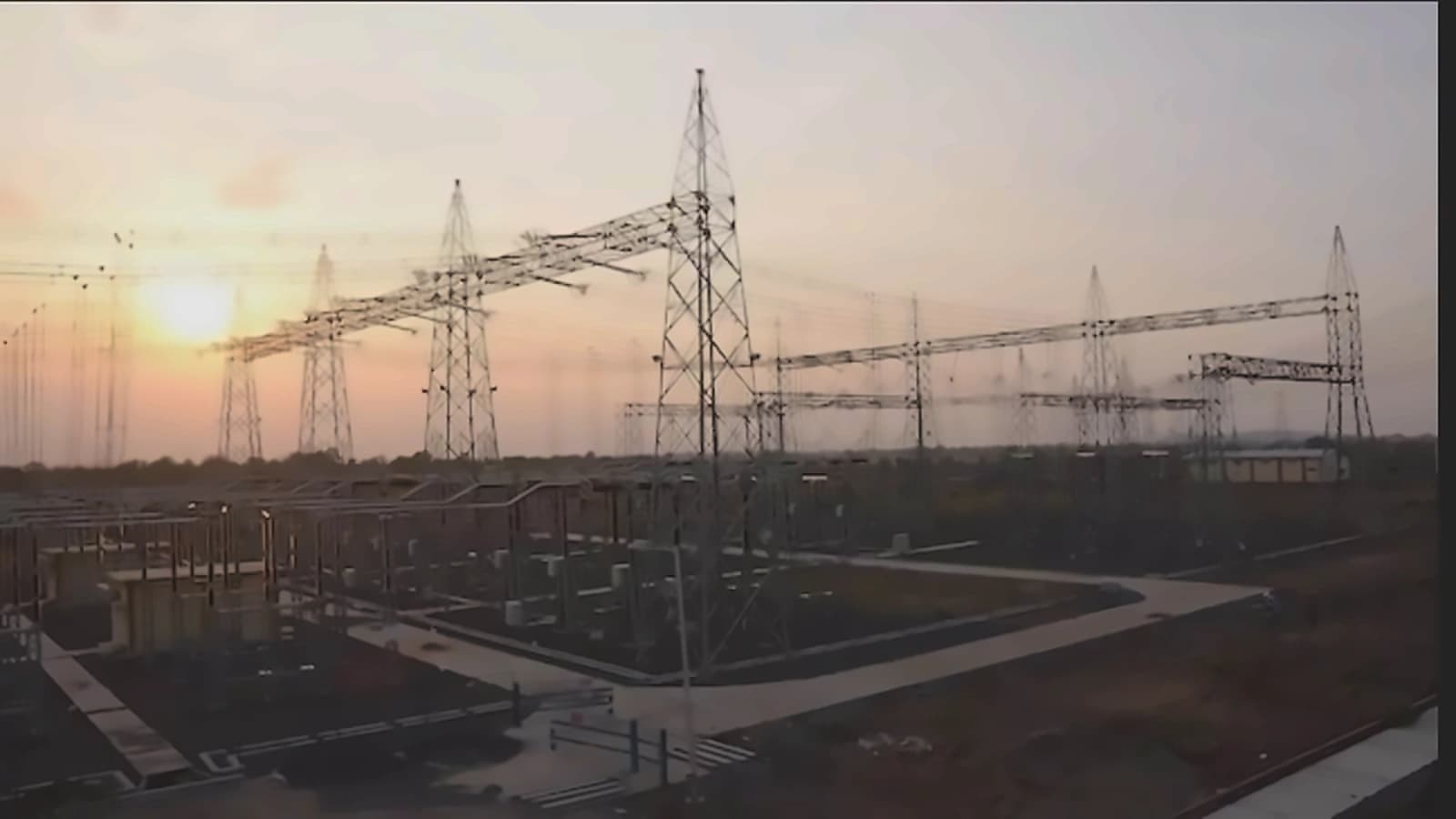
The decision to invest Rs 2,000 crore isn't random—it's driven by a convergence of factors. India's peak power demand hit a record 270.8 GW in May 2026 and is projected to nearly double to 458 GW by 2032. To support this growth, the Central Electricity Authority estimates India needs a staggering Rs 7.93 lakh crore in transmission infrastructure investment to integrate over 900 GW of non-fossil fuel-based energy by 2035. That's a massive opportunity for transformer manufacturers.
Gujarat offers the perfect ecosystem. The state enjoys power surplus status, ensuring reliable electricity for energy-intensive manufacturing processes like transformer production. It boasts a skilled workforce with multiple engineering colleges and ITIs in cities like Vadodara and Ahmedabad, plus a robust supply chain with hundreds of SMEs supplying essential components like bushings, tap changers, and insulators. Add to that world-class port infrastructure (Mundra, Kandla, Pipavav) for easy import of raw materials and export of finished goods, and you have a compelling case for Gujarat as a manufacturing hub.
Financial Impact: Strong Foundation, Smart Expansion
Hitachi Energy India enters this expansion from a position of strength. The company reported revenue of Rs 8,147.7 crore for FY26, with a robust order backlog of Rs 29,555.3 crore providing strong revenue visibility for several quarters. Operating cash flow stood at Rs 1,746.3 crore, reflecting excellent working capital management. Perhaps most importantly, the company operates with virtually no debt—debt-equity ratio of just 0.05—giving it tremendous financial flexibility.
The Rs 2,000 crore investment will likely be funded primarily through internal accruals, given the strong cash generation. This approach minimizes dilution and maintains the company's debt-light capital structure. While the expansion will temporarily dilute Return on Capital Employed (ROCE) during the construction and ramp-up phase, the long-term outlook remains positive. Analysts project the facility could generate Rs 900-1,000 crore in annual revenue at full capacity, with a payback period of 3-4 years under base case assumptions. The investment takes Hitachi Energy India's cumulative capital expenditure to Rs 4,000 crore, signaling serious commitment to the Indian market.
Manufacturing Leap: Digital-First Approach
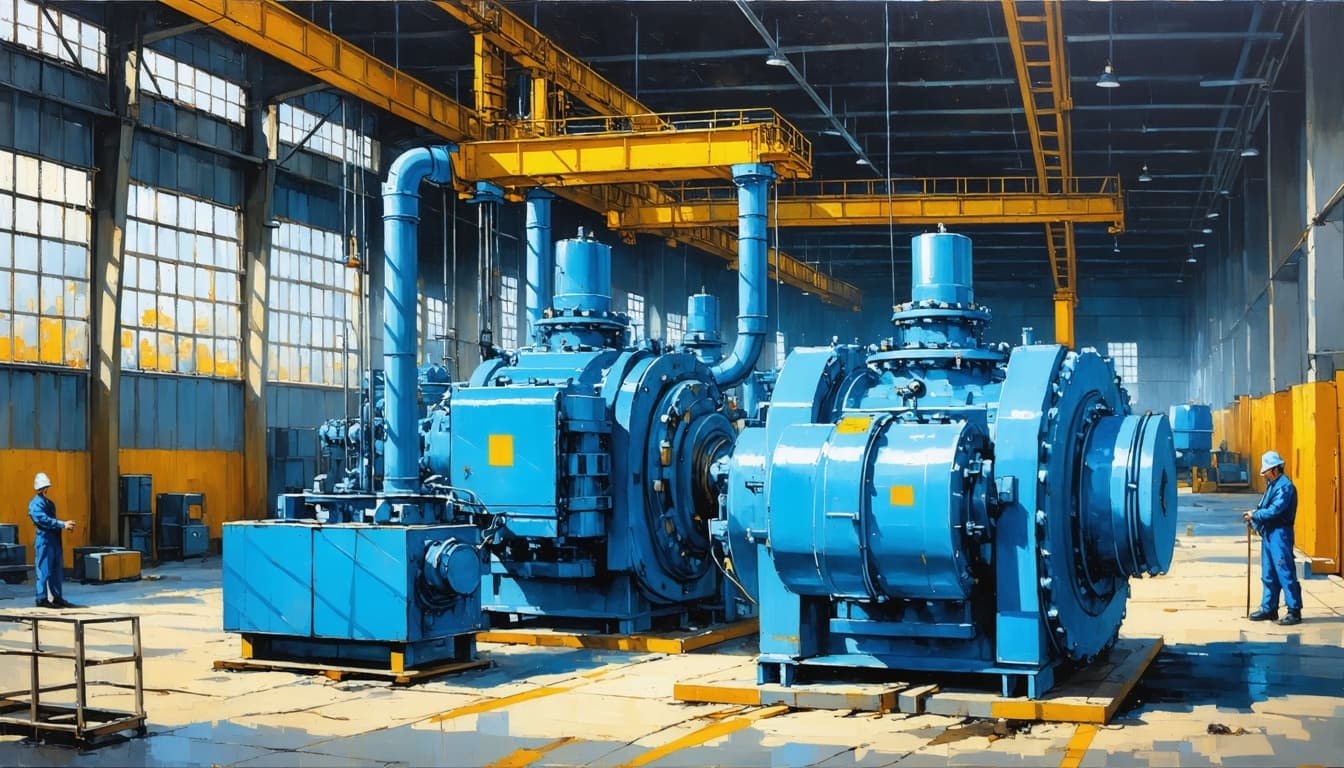
The Gujarat facility isn't just another factory—it's designed as a state-of-the-art, fully digital manufacturing site. The plant will be LEED-certified, focusing on energy efficiency, responsible resource use, and reduced environmental impact. More importantly, it will integrate smart manufacturing technologies and end-to-end digital connectivity to enable data-driven operations, enhance quality, and ensure consistent high-performance delivery.
Industry 4.0 implementations typically deliver 10-20% improvement in Overall Equipment Effectiveness (OEE), 15-25% reduction in energy consumption, and 30-40% faster production cycle times. For Hitachi Energy, this translates to a potential 10-15% overall cost reduction compared to traditional manufacturing methods. The facility will complement Hitachi Energy's existing footprint of power, dry distribution, and traction transformer factories in Gujarat, alongside transformer insulation and components factories in Mysore and Halol, creating a complete manufacturing ecosystem.
Policy Push: Government Support Matters
Gujarat's progressive industrial policies played a crucial role in attracting this investment. The Gujarat Industrial Policy 2020 offers capital subsidies up to 25% on eligible fixed capital investment for projects exceeding Rs 1,000 crore, interest subsidies up to 7% on term loans for five years, 100% reimbursement of electricity duty, and power tariff support of Rs 1/unit for five years. These incentives could potentially reduce Hitachi Energy's effective investment cost by 30-40% over the first 5-7 years.
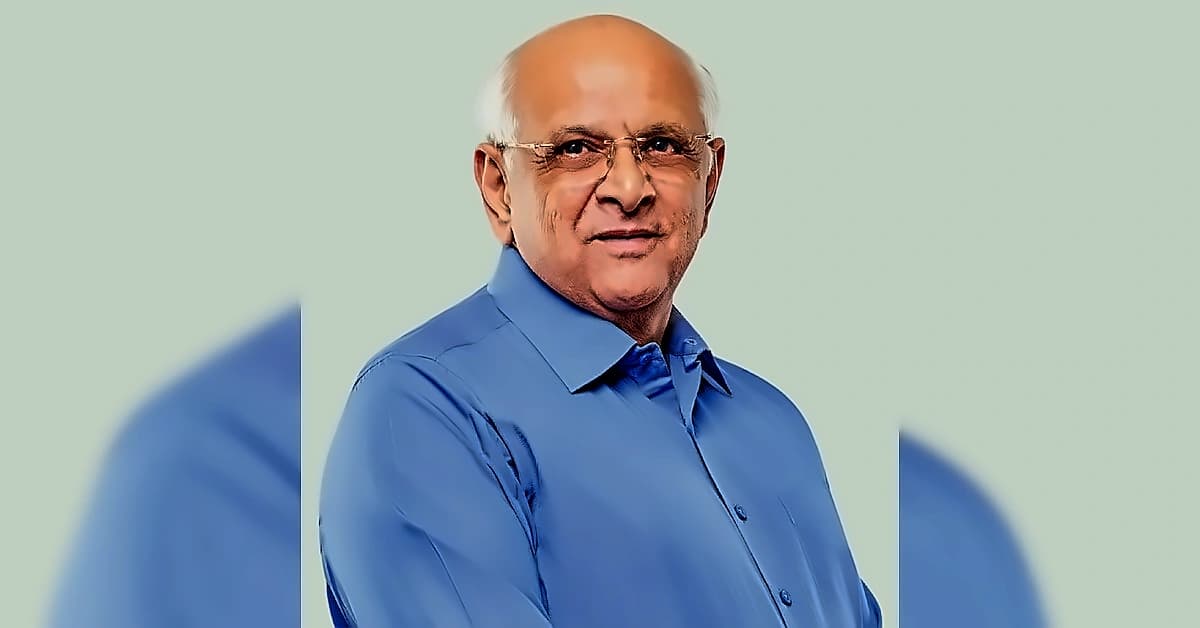
High-level government engagement was evident throughout the process. Gujarat Chief Minister Bhupendra Patel personally performed the bhoomi pujan (ground-breaking ceremony) for the facility, emphasizing the project's role in strengthening the "Make in India" initiative and enhancing self-reliance in the energy sector. The CM highlighted Gujarat's emergence as the "Energy Capital" with a 37 GW renewable hybrid park at Khavda, Kutch, and noted that the state has become a "second home" for Fortune 500 companies due to its strong industrial environment, transparent policies, and excellent law and order.
At the national level, India's Draft National Electricity Policy 2026 creates a favorable regulatory environment. The policy emphasizes technology localization, with provisions for transitioning to indigenously developed SCADA systems by 2030 and developing domestic software solutions for critical power system applications. This aligns perfectly with Hitachi Energy's strategy of establishing India as a global launchpad for transformers.
Competitive Chess: Gaining Market Share
The India transformer market is moderately concentrated, with BHEL, Hitachi Energy India, Siemens, ABB, and CG Power commanding significant market share. Currently, Hitachi Energy holds an estimated 12-15% market share, ranking second behind BHEL.
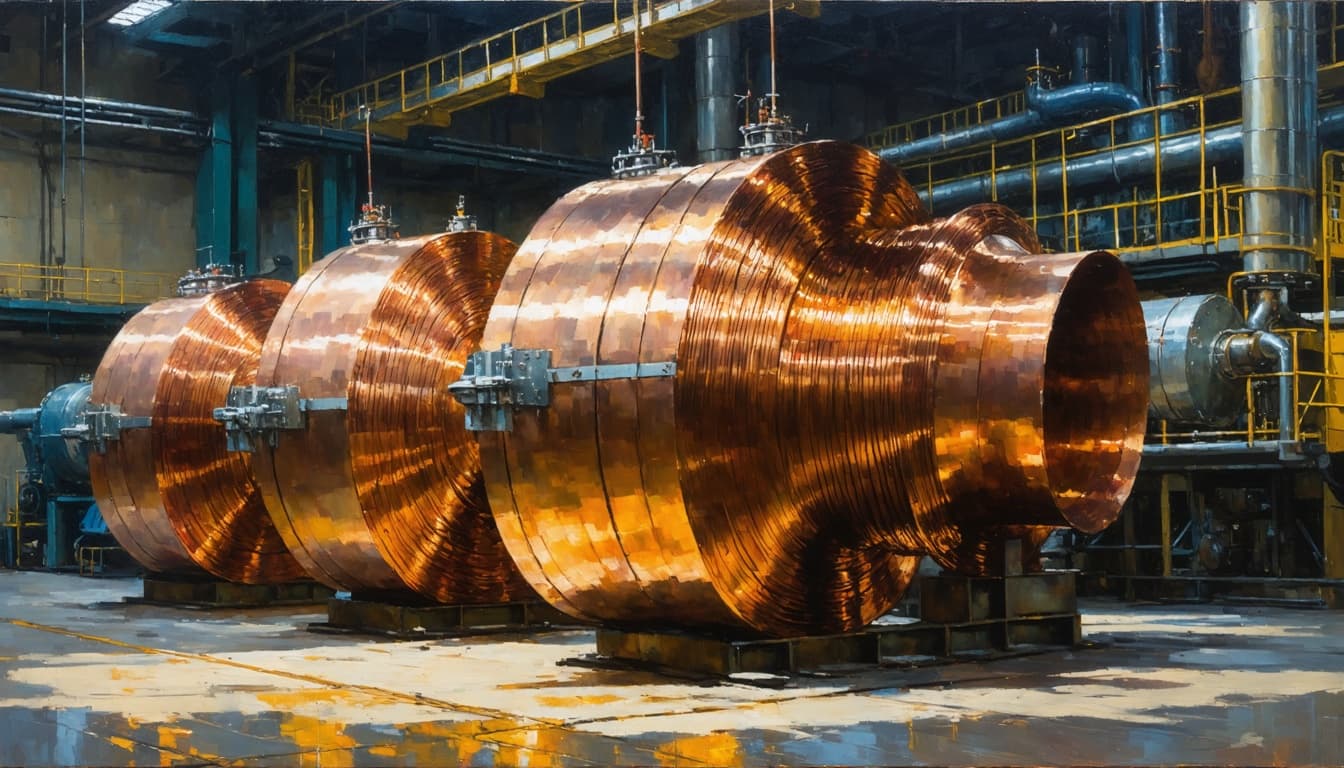
The facility will significantly enhance Hitachi Energy's competitive position in several ways. First, it expands voltage class coverage from up to 400 kV to up to 765 kV, giving access to the premium ultra-high voltage segment. Second, it increases unit capacity from up to 315 MVA to up to 500+ MVA, enabling participation in larger projects. Third, it establishes domestic HVDC manufacturing capability, reducing import dependence for this critical technology. Fourth, the digital-first approach creates operational excellence that competitors will struggle to match quickly.
Market share projections show Hitachi Energy potentially increasing its overall market share to 16-18% by FY32, with even stronger gains in premium segments like large power transformers (>100 MVA) and HVDC transformers. The facility's 600-ton test bay capacity will provide a competitive edge in the premium tier, where vendors with such capabilities enjoy significant advantages.
The Road Ahead
Hitachi Energy's Rs 2,000 crore Gujarat investment represents more than just capacity expansion—it's a strategic bet on India's energy future. The company is positioning itself to capture a significant share of the Rs 7.93 lakh crore transmission infrastructure opportunity while reducing India's import dependence for large power transformers from 40-50% to 20-25%. With strong financial fundamentals, government support, and a clear technological edge, Hitachi Energy is well-positioned to strengthen its competitive position and play a crucial role in securing India's grid infrastructure for decades to come.
The facility, scheduled for completion by FY28, will be a key milestone in Hitachi Energy's 77-year journey in India. As the country accelerates toward its renewable energy targets and grid modernization goals, this investment ensures Hitachi Energy remains at the forefront of powering India's energy transition.