The Flex-Fuel Launch That Caught Everyone's Attention
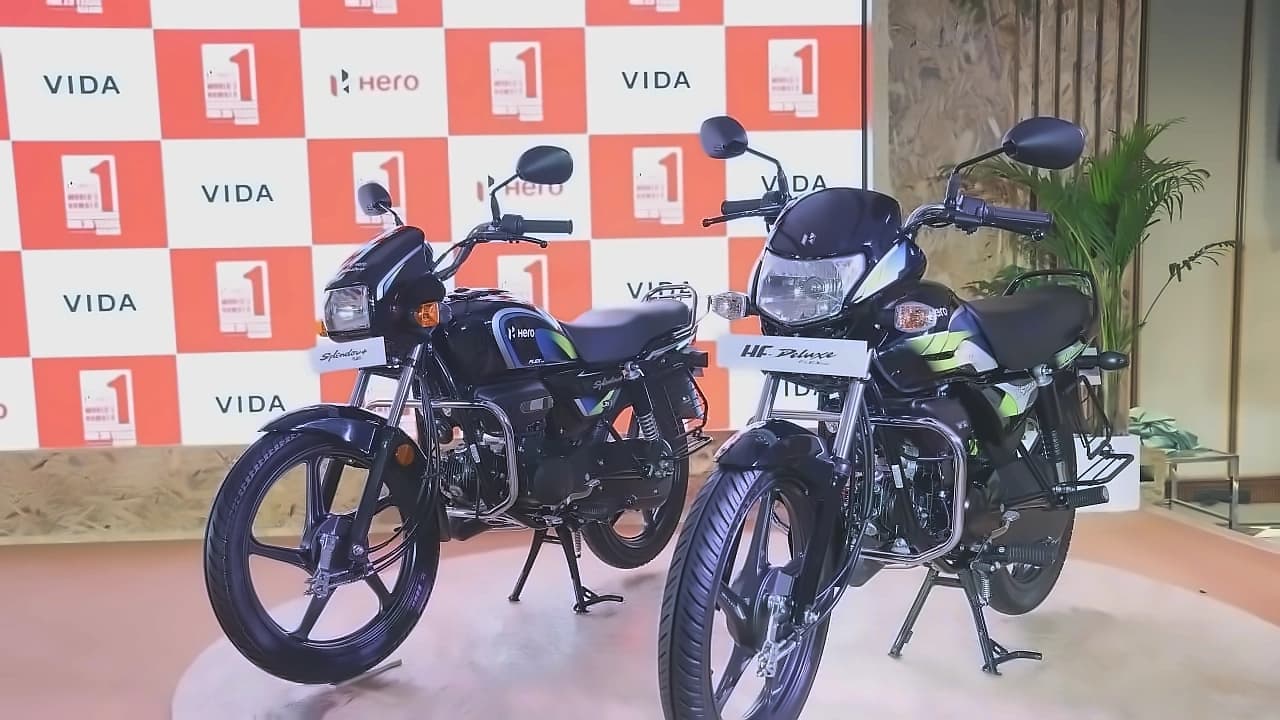
In July 2026, Hero Motocorp did something that turned heads in the Indian two-wheeler industry. The company launched E85 flex-fuel variants of its Splendor+ and HF Deluxe—two motorcycles that together dominate India's commuter segment. Within just two weeks, these bikes had found approximately 5,000 buyers, according to company disclosures. That's not 10,000 bookings as some reports suggest, but it's still impressive for vehicles that run on a fuel available at only 48 stations nationwide. Transcripts
The timing matters here. India's ethanol blending programme has progressed from less than 1.5% in 2013-14 to around 20% in 2025-26, with the government targeting nearly 26% by 2030-31. E85 fuel, containing 85% ethanol, launched in June 2026 at roughly ₹82 per litre—about ₹20 cheaper than regular petrol. The fuel rollout plan is ambitious: 500 stations by December 2026 and 5,000 by end-2027. Hero's early move positions it to ride this wave as infrastructure expands.
Why Splendor and HF Deluxe? The Platform Strategy Makes Perfect Sense
Hero didn't pick random models for this experiment. The Splendor commands a staggering 91% market share in the Deluxe 100cc category—the highest level since FY '18. The HF Deluxe targets entry-level customers while Splendor maintains what management calls a "very robust and loyal fan following that continues to grow". Together, these platforms account for nearly 95% of Hero's 100cc portfolio. Transcripts +1
The 100cc segment itself represents nearly 50% of India's total two-wheeler sales. That's the volume sweet spot where technology adoption can scale rapidly. By launching flex-fuel variants on their highest-selling platforms, Hero ensures maximum market penetration while leveraging existing brand equity. The Splendor name alone carries decades of trust across India's diverse geography—from urban Delhi to rural Bihar.
The Pricing Puzzle: Premiums, Discounts, and Margin Pressures
Here's where things get interesting. The Splendor+ Flex Fuel launched at ₹82,710 (ex-showroom Delhi), while the HF Deluxe Flex Fuel came in at ₹72,792. Compared to their conventional counterparts, that's roughly a ₹5,000 premium for Splendor and about ₹13,000 for HF Deluxe. But Hero quickly introduced a limited-period ₹4,000 discount, bringing the Splendor+ Flex to ₹78,710—just ₹1,153 more than the standard model. The HF Deluxe Flex at ₹68,792 actually undercuts the E20-compliant HF Deluxe i3S variant by ₹1,650.
The technology behind these premiums isn't trivial. Hero modified 36 components compared to standard motorcycles, including a revised fuel pump, new secondary fuel filter, and recalibrated ECU capable of adjusting fuel delivery based on ethanol blend. On E85 fuel, these bikes deliver 7% higher peak power and 3% more torque. But ethanol contains less energy per litre than petrol, meaning lower mileage. The Society of Indian Automobile Manufacturers has suggested E85 should be priced 25-30% below E20 petrol to offset this efficiency penalty. Current pricing at 20% discount is close but may need adjustment.
The Infrastructure Chicken-and-Egg Problem
This is the elephant in the room. India's E85 rollout faces a classic coordination failure: automakers hesitate to scale production due to limited fuel availability, fuel retailers are reluctant to invest without sufficient vehicle demand, and consumers remain uncertain about compatibility and mileage. Currently, just 48 E85 stations operate nationwide, with expansion plans targeting 500 by December 2026 and 5,000 by end-2027.
Hero's flex-fuel motorcycles can operate on blends ranging from E20 to E85, which provides some flexibility. Customers can buy these bikes and run them on currently available E20 fuel while transitioning to higher ethanol blends as infrastructure expands. But the geographic mismatch creates real constraints. Initial availability is limited to Delhi and select regions of Maharashtra, while Hero's distribution network spans 93% of India's talukas with over 6,000 sales channels. That's a lot of dealers who can take bookings but can't necessarily deliver fuel-compatible vehicles. Transcripts +2
The Multi-Powertrain Strategy: Not "Either-Or" But "And"
Hero's management has been clear about their philosophy: it's not about choosing between technologies, but providing options across multiple powertrains over the next 5-7 years. The company invests approximately twice as much in R&D as its nearest competitor, with work ongoing on flex fuels, battery technologies, and hybrid systems. Transcripts +2
On the EV front, Hero isn't sitting idle. The company invests 150-200 basis points of revenue in its EV business, has committed ₹600 crore to Vida charging infrastructure, and recently approved an additional ₹1,000 crore investment in Ather Energy, where it holds about 29.48% stake. Vida's electric scooters reached 21,879 units in June 2026, up 176% year-on-year. Together, Vida and Ather accounted for approximately 4.09 lakh electric two-wheelers in FY2026—more than TVS Motor's 3.68 lakh units. Transcripts
This dual-track approach makes strategic sense. Urban consumers are moving toward electrified mobility, but rural India, where ICE demand "is growing very strongly," presents a different opportunity. Flex-fuel technology addresses the rural commuter heartland where charging infrastructure may not arrive for another decade.
Government Policy: The Hidden Enabler
While direct incentives for flex-fuel vehicles are limited compared to EVs (which enjoy 5% GST versus 28% for ICE), the government's ethanol blending policy creates a favorable ecosystem. The E20 mandate from April 2026 requires all BS-VI vehicles to meet E20 emission standards and all petrol sold nationwide to contain 20% ethanol. India's ethanol production capacity has scaled to nearly 20 billion litres—well above the ~11 billion litres required for the E20 mandate.
Future emissions regulations will also play a role. BS7 norms, expected in phases from 2026-2027, will introduce stricter emission limits and real-world monitoring through On-Board Monitoring systems. E85's 61% lifecycle greenhouse gas reduction compared to conventional petrol provides regulatory advantages. Meanwhile, some states like Delhi have announced ICE two-wheeler phase-outs by 2028, creating urgency for alternative clean mobility options.
Financial Impact: Small Now, Potentially Massive Later
At current levels, flex-fuel motorcycles contribute less than 1% of Hero's total revenue and volume. The 5,000 units sold in two weeks generate approximately ₹39.4 crore in revenue—minimal for a company that typically sells 500,000-535,000 units monthly. But the scaling potential is enormous.
Hero has added 2,000 units per day of Splendor capacity in Q1 FY27, which includes flex-fuel variants. Analysis suggests flex-fuel variants currently operate at a margin disadvantage versus standard ICE models due to low volume, but at 50,000+ units monthly, margins could reach parity or even exceed standard ICE. The break-even point appears to be around 40,000 units monthly. Transcripts
At mass adoption levels (100,000 units monthly), flex-fuel could contribute 20% of Hero's total revenue.
The Competitive Landscape: First-Mover Advantage in the Right Segment
Hero isn't the only player exploring flex-fuel technology. Suzuki already retails the Gixxer SF 250 FFV at around ₹2.36 lakh. Bajaj has showcased an E100-capable Pulsar NS160. TVS is developing flex-fuel versions of its Raider 125 and Apache RTR 160 4V. Honda plans to introduce flex-fuel motorcycles leveraging its Brazilian experience. Royal Enfield has been spotted testing a Classic 350 flex-fuel variant.
But here's the crucial difference: Hero is first in the mass-market 100cc segment that drives half of India's two-wheeler sales. Competitors are focused on premium segments where volumes are significantly lower. Hero's strategy creates a multi-layered competitive moat—mass-market dominance, first-mover advantage, scale benefits, and cost leadership that will be difficult to replicate.
The company plans to introduce flex-fuel versions across all 12 motorcycle models within the next one to two years, contingent on fuel availability and pricing. It's also working on E85 retrofit kits for older BS6 two-wheelers. This portfolio breadth, combined with manufacturing scale and distribution reach, positions Hero to maintain leadership as the flex-fuel ecosystem matures.
The Road Ahead: Infrastructure Will Determine the Pace
Hero's E85 flex-fuel gamble is strategically sound but execution-dependent. The company has done everything right on the product side—leveraging dominant platforms, maintaining reasonable pricing, and building technology that works across fuel blends. The critical variable now is infrastructure rollout.
If the government hits its targets of 500 E85 stations by December 2026 and 5,000 by end-2027, Hero is positioned to capture significant market share in the transition to cleaner mobility. If infrastructure rollout lags, adoption will remain constrained regardless of product excellence.
The next 12-18 months will be telling. As E85 stations expand beyond the current 48 and Hero scales production toward the 50,000-unit monthly threshold, we'll see whether flex-fuel becomes a mainstream alternative or remains a niche solution. Either way, Hero's early move has secured it a seat at the table in India's evolving energy transition—whether that future runs on electricity, ethanol, or both.