HEG Limited is executing one of its most consequential strategic moves—a Composite Scheme of Arrangement that splits the company into two distinct publicly listed entities.
Shareholders will receive one share in the new entity for every share held, preserving ownership percentages while creating two specialized investment vehicles.
The Strategic Rationale
The demerger addresses a fundamental mismatch: HEG currently houses two businesses with vastly different profiles. The graphite electrode business is mature, cyclical, and tied to global steel production cycles. The green energy platform—comprising battery anode materials, solar power, battery storage, and hydroelectric assets—is capital-intensive and growth-oriented, targeting 16-20%+ IRR across its verticals. Transcripts +1
By separating these, HEG creates pure-play entities. The graphite business (which will retain the HEG Limited name post-rebranding) can focus on its 100,000 tonnes per annum capacity and competitive cost position. The green energy business (to be renamed HEG Greentech Limited) can pursue its integrated energy transition platform without being overshadowed by cyclical industrial operations. InvestorPresentations +1
Operational Focus and Competitive Positioning
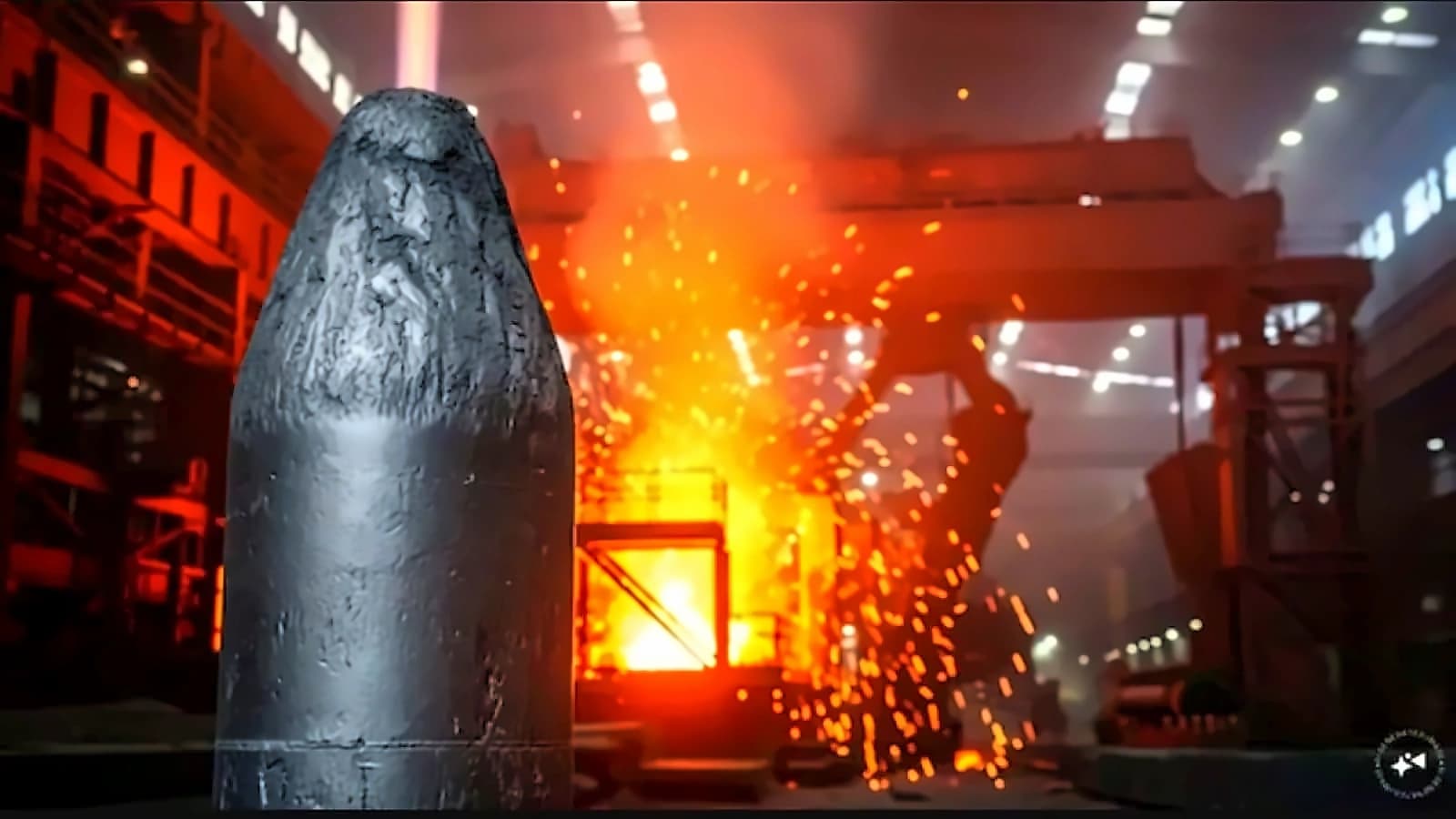
The graphite business benefits from dedicated management attention and clearer investor visibility. It's positioned as a global cost leader, leveraging structural growth in Electric Arc Furnace steelmaking—which produces one-fourth the carbon emissions of traditional blast furnaces. A 15,000-tonne brownfield expansion will take capacity to 115,000 MT, strengthening its market position. InvestorPresentations +1
HEG Greentech, meanwhile, targets deployment of more than 1 gigawatt per year in solar and battery storage projects over the next 3-4 years. Its portfolio includes TACC Limited (anode materials), Solar + BESS IPP (power generation), REPlus (battery manufacturing), and hydroelectric assets through Malana Power and AD HydroPower. This integrated platform aligns with India's decarbonization agenda and should attract ESG-focused capital. InvestorPresentations +1
The Cost-Benefit Trade-off
Demergers aren't free. HEG faces legal, regulatory, and advisory fees, plus the operational disruption of separating systems and processes. There's also the loss of shared services efficiencies and potential cross-business synergies. However, management argues these short-term costs are outweighed by long-term value creation through specialized focus, better capital allocation, and simplified fundraising. AnnualReports +2
Financial Metrics Impact
Historical performance shows volatility.
The demerger will recalibrate these metrics.
Dividend capacity also shifts. The graphite business, with its mature cash flows, should maintain regular dividends. HEG Greentech, in investment mode, will likely reinvest earnings. HEG's strong treasury position—approximately ₹858 crores as of June 2026—provides flexibility during the transition. Transcripts
Equity Valuation and Ownership Structure
The 1:1 ratio is value-neutral in absolute terms but creates two distinct valuation stories. Shareholders receive one HEG Graphite share for each HEG share held, maintaining proportional ownership. However, promoter interests will increase to 61.92% in HEG Greentech due to the merger of Bhilwara Energy Limited, where promoters hold 51%. Public shareholders may see dilution from approximately 22% to 18% in the green business segment. Transcripts
The market will assign different multiples to each entity. The graphite business should trade on industrial multiples tied to steel cycles, while HEG Greentech could command premium green energy valuations if execution succeeds. The key question: will the combined market value exceed the pre-demerger valuation? That depends on whether specialized focus unlocks sufficient value to offset execution costs.
Regulatory Approvals and Execution Timeline
HEG has navigated a complex regulatory landscape efficiently. The process began with board approval in May 2024, progressed through shareholder and NCLT approvals (sanctioned August 13, 2026), and secured SEBI and stock exchange clearances. The September 7 record date—less than a month after NCLT approval—demonstrates strong execution capabilities. Others
Management has been proactive in investor communication, conducting roadshows in Dubai and Abu Dhabi, presenting at the Motilal Oswal Global Investor Conference, and organizing investor meets in Mumbai . This engagement should help smooth the transition and support post-demerger valuation discovery.
Tax Implications for Shareholders
Here's the good news: the demerger is structured as a tax-neutral transaction under Section 47 of the Income Tax Act. Shareholders receiving HEG Graphite shares face no immediate tax liability—the share allotment is not considered a transfer.
Tax implications arise only when shareholders sell the demerged shares. The holding period carries over from the original HEG shares, preserving long-term capital gains status. The cost of acquisition splits proportionally based on the Net Book Value of assets transferred to each entity. For example, if the graphite business represents 60% of net worth, 60% of the original investment cost allocates to HEG Graphite shares, with the remainder attributed to HEG Greentech.
What Shareholders Should Watch
Post-demerger success hinges on execution. For HEG Limited (graphite), investors should monitor utilization levels, pricing power in the electrode market, and the 15,000-tonne expansion progress. For HEG Greentech, the focus shifts to scaling battery materials, securing offtake agreements, and achieving targeted IRRs across solar, storage, and hydro projects.
The demerger itself doesn't create value—it creates the possibility of better value discovery. Whether HEG's bold split delivers on its promise depends on management's ability to execute distinct strategies in two very different businesses. With regulatory hurdles cleared and the record date approaching, the market will soon deliver its verdict on whether two specialized companies are worth more than one conglomerate.