The shares opened at around ₹260 compared to the previous close of about ₹728. But here's the thing—this wasn't a crash. It was a carefully calculated adjustment that marks one of the most interesting corporate restructurings in recent memory.
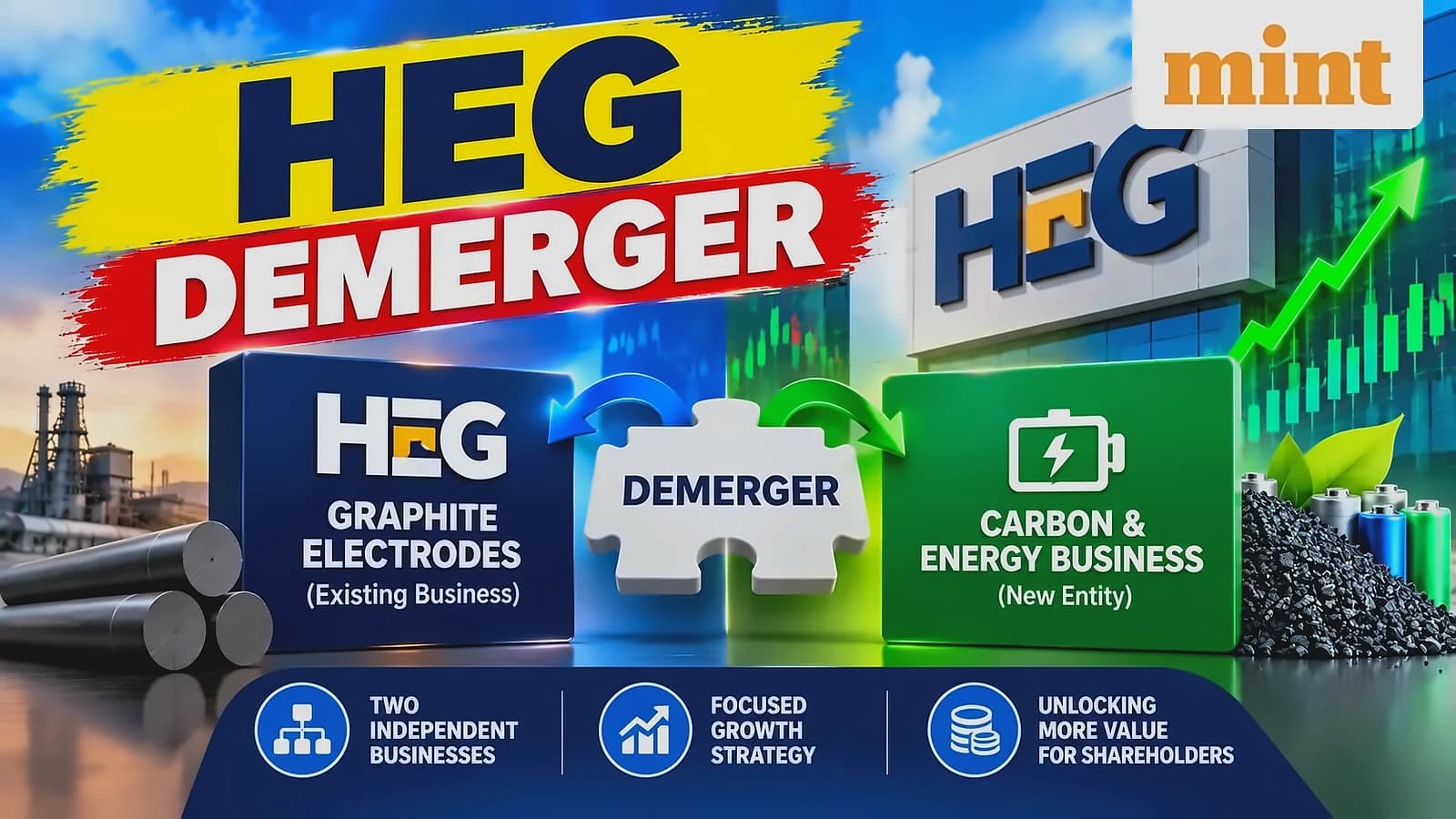
HEG Graphite Limited will house the graphite electrode business, while the existing listed entity—now renamed HEG Advanced Materials Limited—will focus on green energy and advanced materials. Shareholders get one share of each for every share they previously owned.
The Mathematics Behind the Drop
That 64% decline looks terrifying on paper, but the math tells a different story. Before the demerger, one HEG share at ₹728 represented ownership in both the graphite business and the green energy business combined. After the split, that same value gets divided between two separate companies.
Think of it this way: if you owned a house worth ₹728 and split it into two properties worth ₹272 and ₹456, you haven't lost money. You just own two things now instead of one. The stock exchange mechanically adjusted the base price to reflect this separation, removing the graphite business value from the existing share price.
The record date of September 7, 2026, determined who would receive the new HEG Graphite shares. Anyone holding HEG shares on this date gets one HEG Graphite share for every HEG Advanced Materials share they own. The new graphite entity is expected to list in October 2026, at which point shareholders will have two independently traded securities.
Two Very Different Businesses
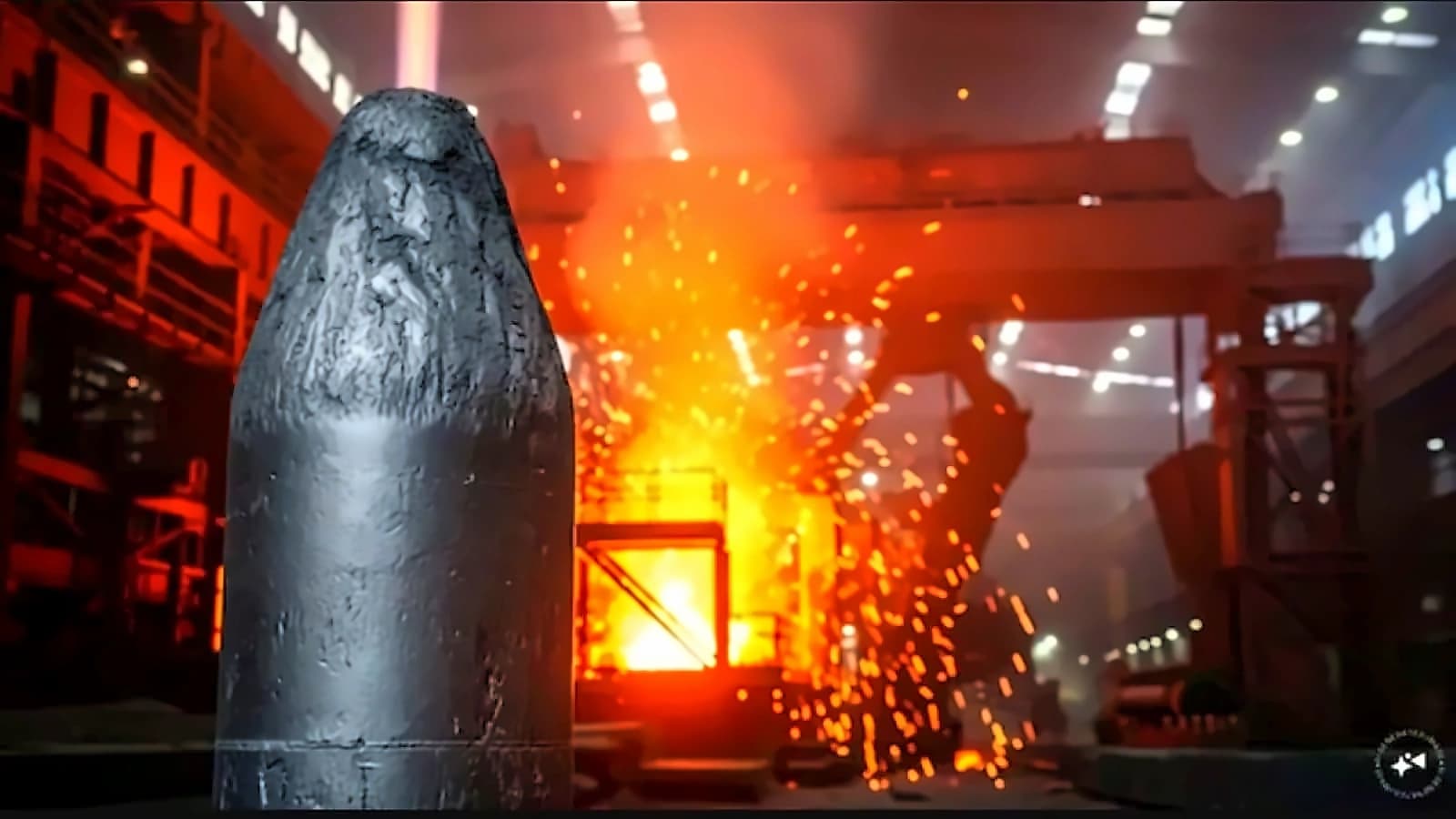
The strategic rationale behind this split becomes clear when you look at what each company actually does. HEG Graphite is a mature industrial business manufacturing graphite electrodes with 100,000 tonnes per annum capacity. It's cyclical, tied to global steel production, and generates strong cash flows in upcycles. RecordDates
HEG Advanced Materials is a completely different beast. It's a growth platform comprising hydro power assets (~278 MW), wind power (14 MW), battery energy storage systems (expanding from 1 GWh to 6 GWh), and advanced carbon materials for lithium-ion batteries. This business requires heavy upfront investment but promises long-term growth. RecordDates
When lumped together, the market applied a blended multiple that undervalued both. RecordDates
The Value Unlocking Thesis
PwC and ISEC reports valued the green business assets at approximately ₹3,200 crore. With HEG's pre-demerger market capitalization around ₹13,895 crore, this suggests the graphite business carries the bulk of the value—but the market wasn't giving either business its fair due under the combined structure. RecordDates
The demerger creates two focused investment opportunities. HEG Graphite will appeal to value investors and industrial sector funds who understand cyclical businesses. HEG Advanced Materials will attract growth investors, ESG funds, and clean energy specialists looking for exposure to the energy transition story.
Each entity can now pursue its own capital allocation strategy without competing for resources. HEG Graphite can focus on operational efficiency and selective capacity expansion. HEG Advanced Materials can aggressively invest in its BESS expansion and anode material manufacturing without worrying about diluting the returns of the graphite business. RecordDates
Leadership and Execution
The demerger also enabled specialized leadership appointments. Ravi Jhunjhunwala leads HEG Graphite as Chairman, Managing Director and CEO, bringing deep expertise in the graphite electrode business. Riju Jhunjhunwala takes charge of HEG Advanced Materials with a mandate to scale synthetic graphite anode material and advance graphene applications.
This specialization matters. Under the combined structure, strategic decisions required balancing conflicting priorities between a mature industrial business and a capital-intensive growth platform. Now each management team can focus entirely on their specific market without compromise. RecordDates
What Happens Next
HEG Graphite is expected to list in the second half of October 2026. At that point, the market will assign independent valuations to both entities. The real test will be whether the combined market capitalization exceeds the pre-demerger value of ₹13,895 crore.
For investors, the key is to understand that a demerger itself doesn't create value—it only creates the possibility of better value discovery. The success of this restructuring depends on whether both businesses can execute their strategies independently and attract appropriate investor bases.
The graphite business needs to demonstrate it can maintain profitability through industry cycles. The advanced materials business needs to show that its heavy investments in battery materials and energy storage can generate attractive returns. If both deliver, shareholders could see meaningful value unlock from this split.
The Bottom Line
That 64% single-day decline in HEG's share price wasn't a loss—it was a redistribution. Shareholders still own the same underlying value, now spread across two focused entities instead of one conglomerate. The demerger mathematics are straightforward, but the strategic implications are profound.
By separating a cyclical industrial business from a growth-oriented green energy platform, HEG has created two distinct investment stories that can each attract their own investor base and command appropriate valuation multiples. Whether this translates into actual value creation will depend on execution, but the strategic logic is sound. RecordDates
The coming months will reveal whether the market rewards this clarity of focus with higher combined valuations. For now, shareholders can take comfort in knowing that their economic position remains intact—their investment has simply been split into two more focused pieces.