Hindustan Aeronautics Limited delivered a robust start to FY27, with consolidated profit climbing 14.9% year-on-year to ₹1,589.68 crore and revenue growing 14.4% to ₹5,515.17 crore. The market cheered, pushing the stock to a fresh 52-week high of ₹5,054.40. But beneath the headline numbers lies a more nuanced story of operational efficiency, execution risks, and divergent analyst views that investors should understand.
The Engines of Growth: What Drove the Profit Jump?
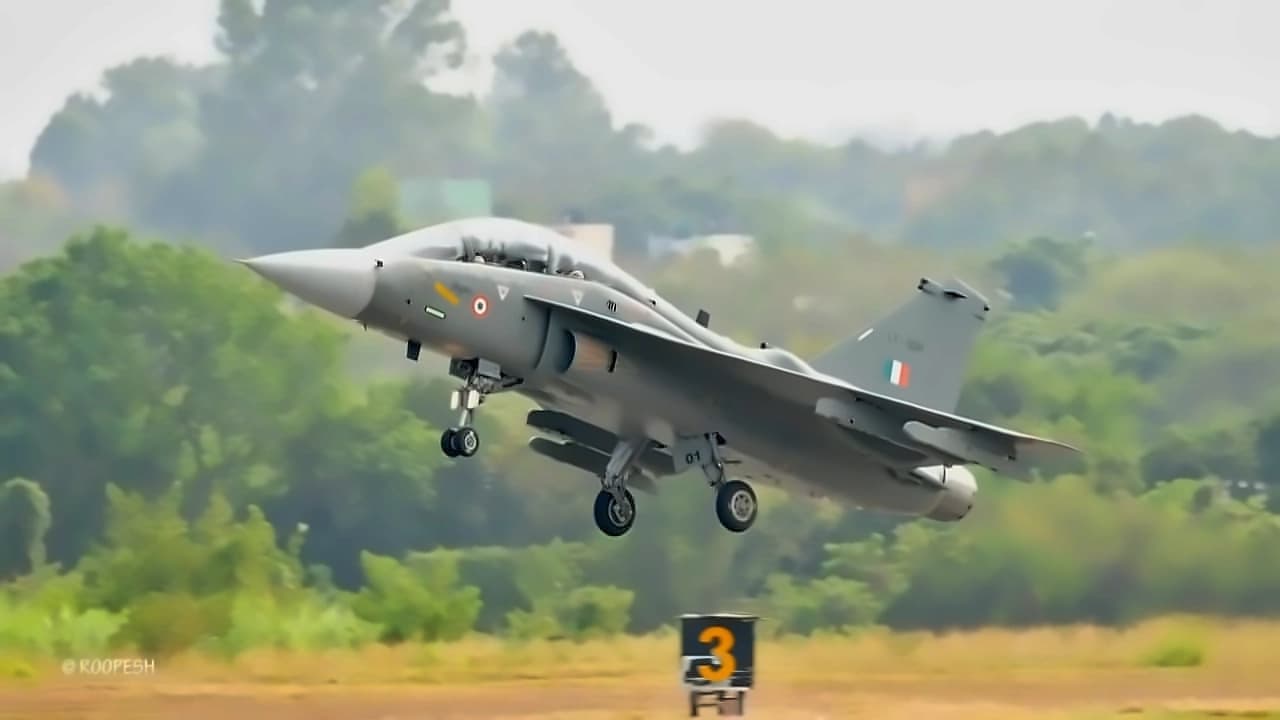
HAL's 15% profit surge wasn't magic—it was the result of specific operational wins. The primary drivers were accelerated deliveries of Advanced Light Helicopters (ALH) and strong execution on the RD-33 engine program. These programs provided steady revenue recognition even as the flagship LCA Tejas Mk1A fighter program faced delays due to engine supply shortages.
Operational efficiency played a crucial role. The company managed to reduce its cost of materials consumed by 12.1% year-on-year to ₹2,777.21 crore, a significant feat in an inflationary environment. This cost discipline, combined with better order execution, allowed EBITDA to jump nearly 47% to ₹1,526 crore, expanding margins by 610 basis points to 27.7%. While the LCA Mk1A program saw 18 aircraft structures completed and six GE F404-IN20 engines received for testing, actual deliveries remained constrained, highlighting that HAL's profit growth came from its diversified portfolio rather than a single platform.
The Quality Question: InCred's Caution
Despite the strong beat, InCred Equities has raised a yellow flag on earnings quality. The brokerage's concern centers on the sustainability of HAL's margin expansion. A single quarter of 610 basis points EBITDA margin improvement doesn't establish a permanent trend, especially given HAL's history of margin volatility—ranging from 21.6% in Q1 FY26 to 36.3% in Q4 FY26.
The composition of profit growth also warrants scrutiny. While material cost reduction represents genuine operational improvement, other income grew 20.5% year-on-year to ₹900.24 crore, contributing to total income growth. Additionally, HAL's interim report notes that insurance settlements were finalized during the quarter, which could represent a one-off gain. Perhaps most telling is the 62% sequential decline in profit from Q4 FY26's ₹4,196 crore, a reminder of the lumpy, milestone-based nature of defense revenue recognition. InCred worries that current market expectations may be pricing in perfect execution, a scenario that's historically difficult to achieve given supply chain complexities.
Market Reaction: From 52-Week High to Downgrade
The market's initial reaction was unequivocally positive. HAL shares jumped 3% to nearly ₹5,049 on the NSE following the results, extending a rally that had already seen the stock gain 11% in the prior month. The strong volume—3.55 times the one-month average—indicated significant institutional interest.
Nuvama noted that while execution grew 14.4%, gross margins actually contracted 280 basis points year-on-year. The EBITDA margin expansion to 28.7% was aided by lower other operating expenses rather than core operational improvement. Perhaps more concerningly, Nuvama highlighted that PAT growth was supported by elevated other income, which accounted for 42% of Profit Before Tax. With the stock trading at 33x FY27E and 30x FY28E earnings, Nuvama sees limited upside unless execution ramps up significantly across key platforms like LCA Tejas, ALH, and HTT-40.
HAL vs. BEL: A Tale of Two Defense PSUs
InCred's stance on HAL versus Bharat Electronics Limited (BEL) offers a fascinating study in risk-reward trade-offs within the defense sector.
The Q1 numbers reflect this divergence. BEL reported stellar revenue growth of 25.3% to ₹5,533 crore but faced margin pressure, with EBITDA margins contracting to 25.11%. HAL delivered slower revenue growth but superior margin expansion. BEL's order book stands at a healthy ₹72,258 crore, but HAL's ₹2.54 lakh crore backlog provides 7-8 years of revenue visibility compared to BEL's 2-3 years. For investors, the choice is clear: HAL offers higher upside optionality if execution normalizes, while BEL provides better downside protection through earnings stability.
The Structural Tailwind: Defense Orders and Government Spending
Both HAL and BEL are operating in an environment of unprecedented government support.
Crucially, domestic industry accounted for 92% of defense contracts in 2024-25, up significantly from previous years, as the government aggressively pushes its Atmanirbhar Bharat indigenization agenda.
For HAL, this translates into exceptional earnings visibility.
The Defense Acquisition Council has been active, clearing proposals worth over ₹3.50 lakh crore in Acceptance of Necessity approvals, with specific budget increases of 31% for aircraft and aero-engines directly benefiting HAL's core segments. The company is also expanding its global footprint, with export revenue growing to ₹501 crore in FY26.
The Verdict: Execution Is Everything
HAL's Q1 FY27 results demonstrate genuine operational improvement and strong momentum in a supportive policy environment. The 15% profit growth, driven by cost efficiency and accelerated helicopter deliveries, is commendable. The massive order book and government spending priorities provide a structural tailwind that few companies enjoy.
However, the concerns raised by InCred and Nuvama are valid. Margin sustainability remains uncertain, execution risks on complex platforms like the LCA Tejas are real, and valuation at current levels leaves little room for error. The stock's journey from here depends less on the Q1 headline and more on whether HAL can convert its enormous order book into sustained revenue and earnings growth while maintaining the stronger operating margins seen in this quarter. For investors, the trade-off is stark: HAL offers the potential for significant re-rating if execution normalizes, but it requires a higher risk tolerance compared to the steadier profile of peers like BEL.