The Sanand industrial cluster now features operational facilities from Micron Technology, Kaynes Semicon, and CG Semi, with Tata Electronics and Crystal Matrix advancing in Dholera. This concentration creates powerful supplier ecosystem synergies—global players like Linde, Taiwan's TSMT, Japan's TNSI, Fujifilm, Nippon Express, Germany's Infineon Technologies, and Malaysia's Hotayi have established operations, forming an integrated network for fabrication, packaging, and testing. The cluster approach enables demand aggregation for specialty chemicals and testing laboratories, making it economically viable for suppliers to establish local presence while sharing infrastructure costs.
CG Semi's Strategic Technology Partnerships
CG Power and Industrial Solutions Ltd entered the semiconductor space through a joint venture with Renesas Electronics Corporation (6.76% equity) and Stars Microelectronics (0.90% equity). Renesas brings over two decades of innovation across automotive, industrial, infrastructure, and IoT applications, with FY'23 revenues exceeding USD 10 billion and a workforce exceeding 21,000 globally. Stars Microelectronics contributes 20+ years of specialized OSAT experience for legacy packages, robust training programs, and technological empowerment. This partnership structure provides CG Semi with immediate access to advanced semiconductor technology, established quality standards, and global customer networks—significantly accelerating its learning curve compared to building capabilities independently. Others
Quality Standards and Operational Excellence
Renesas' qualification standards proved exceptionally demanding, driving CG Semi's operational readiness and quality control mechanisms at the Sanand facility. The company successfully completed qualification with a leading global Integrated Device Manufacturer on the first attempt, clearing rigorous industry reliability and yield standards. CG Semi's processes are built to Japan-led quality standards, with a quality roadmap including automotive-grade certifications. The G1 facility features high-yield production systems, robust process controls, manufacturing traceability, and in-house reliability and failure analysis capabilities. This quality-first approach enabled CG Semi to ship its first batch of chips to Renesas Electronics in Japan, validating its capability to meet global automotive semiconductor requirements. Others +1
Global Talent Integration Strategy
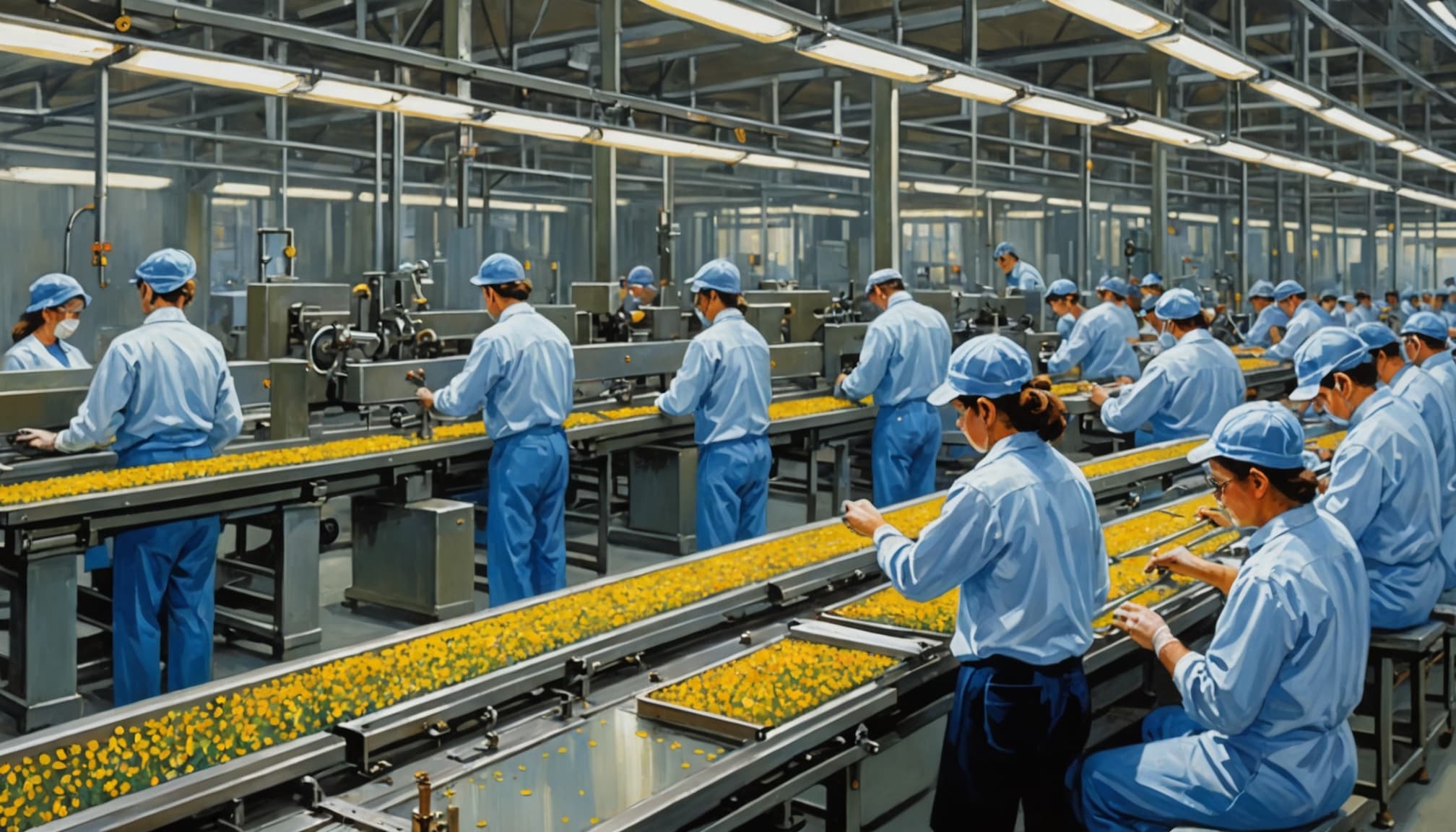
CG Semi brought together over 75 engineers from the Philippines, South Korea, the United States, and Malaysia to build the Sanand facility. These international engineers work alongside young women from Chhattisgarh, Jharkhand, Madhya Pradesh, Gujarat, Jammu & Kashmir, and Kerala—many of whom had never stepped outside their villages before traveling to Malaysia for specialized semiconductor training. This integration creates a powerful knowledge transfer framework where international expertise accelerates local capability building. The team possesses over 1,000 years of combined semiconductor industry experience, significantly compressing the operational ramp-up timeline compared to domestic-only workforce models. The training program emphasizes practical demonstrations and Hindi-language instruction to bridge technical gaps for first-generation manufacturing workers.
Capital Efficiency and Phased Expansion
CG Semi's ₹7,600 crore investment over five years demonstrates strategic capital efficiency. The G1 facility operates at 0.5 million units daily (~182.5 million annually), while the under-construction G2 facility will scale to 14.5 million units daily (~5.3 billion annually).
The project benefits from 50% fiscal support from the India Semiconductor Mission on a pari-passu basis, with the effective private investment totaling ₹2,699 crore.
The company expects to achieve EBITDA break-even from FY28 as scale improves. AnnualReports +1
Export-Oriented Market Positioning
CG Semi focuses on packaging chips for automobiles, scooters, and industrial equipment, with exports destined for Japan, the United States, and Europe. This export-oriented model mitigates domestic demand risks while enhancing foreign exchange earnings. The initial shipment commitment to Renesas Electronics provides significant revenue visibility and validates CG Semi's capability to serve global automotive semiconductor supply chains. The partnership with Renesas ensures access to established customer relationships and technology roadmaps, while Stars Microelectronics brings additional client connections across US, Europe, and Asia. This export focus positions India as a meaningful contributor to the global semiconductor value chain, with domestically manufactured chips finding applications both domestically and overseas.
Workforce Development and Social Impact
CG Semi's workforce development model represents a innovative approach to addressing India's semiconductor talent challenge while creating significant social impact. The company trains young women from seven Indian states in Malaysia, many of whom are first-generation manufacturing workers from modest backgrounds who completed Industrial Training Institute (ITI) courses. This strategy creates long-term labor cost advantages through geographic diversity while building a sustainable talent pipeline for future expansion. The integration of first-generation workers with experienced international engineers creates unique opportunities for knowledge transfer and capability building. While initial productivity during the 18-24 month learning curve is lower, the long-term benefits include higher retention rates, lower wage base with international quality standards, and strong government support for employment generation in underdeveloped states.
Risk Reduction and Investment Attractiveness
The India Semiconductor Mission's facilitation of six major projects in Gujarat has significantly transformed the risk profile and investment attractiveness for new entrants. Three operational facilities demonstrate successful project execution, with Micron's facility completed in under 900 days showing rapid implementation capability. The cluster benefits from shared infrastructure, established supplier networks, and proven government support mechanisms. For new entrants like Tata Electronics and Crystal Matrix, this ecosystem reduces entry barriers, provides supplier readiness, ensures talent availability, and offers regulatory clarity.
The ₹1.25 lakh crore outlay for ISM 2.0, pending Union Cabinet approval, would deepen incentives and capacity-building nationwide.
The Path Forward
Gujarat's semiconductor cluster represents more than individual facilities—it's building an integrated ecosystem that positions India as a credible player in global semiconductor manufacturing. The combination of strategic partnerships, export-oriented production, innovative workforce development, and government support creates a sustainable foundation for long-term growth. As CG Semi scales from its current 300 million unit capacity toward the planned 5.48 billion unit capacity, and as the broader Sanand cluster matures, India is establishing itself as a trusted destination for semiconductor assembly and testing. The success of these facilities will likely attract additional investment, further strengthening the ecosystem and creating opportunities for deeper integration into global semiconductor value chains.