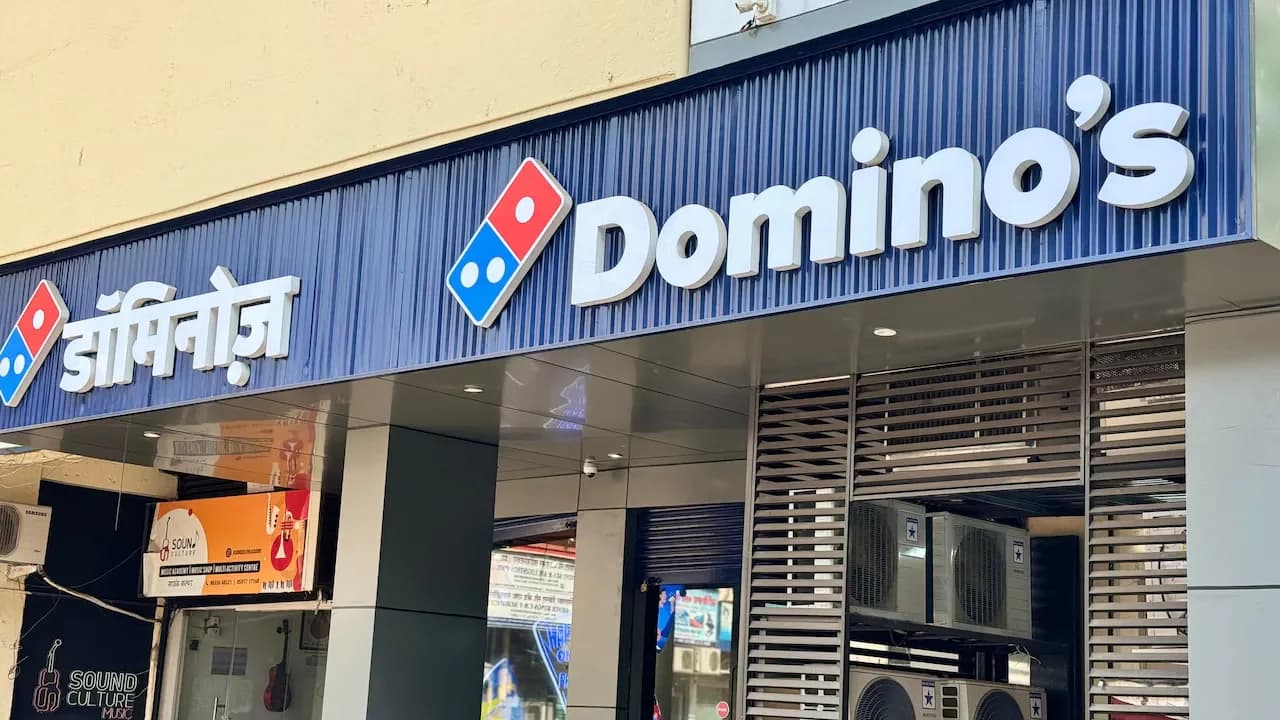
Maharashtra's Food and Drug Administration (FDA) dropped a hammer on Domino's Pizza in August 2026, suspending food business licenses at four outlets operated by Jubilant FoodWorks Ltd. Three were in Mumbai—Vile Parle West, Borivali West, and R-City Mall in Ghatkopar West—while the fourth sat in Malkapur, Satara district. This wasn't a random check; it was part of a broader statewide crackdown under the "Safe Food, Safe Maharashtra" campaign led by FDA Commissioner Tukaram Mundhe. The message was clear: holding a license isn't enough anymore; you must prove your food is actually safe.
Specific Violations Uncovered
The specific violations paint a troubling picture of operational neglect. At the Vile Parle outlet, inspectors found deficiencies in displaying the FSSAI license, inadequate potable water testing, poor food storage, and gaps in pest control and hygiene facilities. The Borivali location showed 15% non-compliance, with issues in food storage, temperature monitoring, cleanliness, and pest control. Perhaps most concerning was the failure to segregate raw and cooked food, as well as vegetarian and non-vegetarian items. The Ghatkopar outlet failed to follow FIFO (First In, First Out) and FEFO (First Expired, First Out) practices, lacked proper temperature control, and was missing critical documentation like food-grade certificates and calibration records. The Malkapur outlet had the highest non-compliance rate at 40%, with basic facility, equipment, cleanliness, and pest control failures.
Disproportionate Enforcement Pattern
The enforcement pattern against Domino's stands out. During a special drive on August 11, the FDA inspected 104 chain restaurant outlets including brands like KFC, Pizza Hut, McDonald's, Subway, Burger King, Starbucks, and Monginis.
In the broader campaign across Mumbai, Nashik, Palghar, and Satara districts between July 10 and August 11, the FDA inspected 120 establishments, suspended 11 licenses, and issued 54 improvement notices.
Quality Control System Failures
These violations reveal significant operational gaps in Domino's quality control systems.
The company even claims 6 Sigma levels in food safety-related customer complaints. Yet the FDA findings expose a critical disconnect between documented procedures and actual implementation. The violations across geographically dispersed outlets indicate systemic quality control failures rather than isolated incidents. Missing records, inadequate pest control, poor segregation practices, and hygiene facility deficiencies suggest that internal audits focused heavily on financial controls while operational compliance received insufficient attention. InvestorPresentations +2
Immediate Financial Impact
The financial impact will be felt immediately. Based on industry benchmarks, a typical Domino's outlet generates ₹8-25 lakh in monthly revenue with 18-22% profit margins. With four outlets suspended, the company faces an estimated monthly revenue loss of ₹1.17-1.97 crore and profit loss of ₹21-43 lakh. But the real burden comes from fixed costs that continue during suspension—rent, staff salaries, utilities—adding another ₹16-30 lakh monthly. The direct revenue impact represents about 0.16% of Jubilant's India revenue, but the indirect costs tell a larger story.
Remediation and Recovery Costs
Remediation won't be cheap. Infrastructure upgrades including pest control systems, water treatment, temperature monitoring, storage segregation, and hygiene facilities could cost ₹25-40 lakh across four outlets. Documentation and compliance systems might add another ₹8-15 lakh. Regulatory and legal costs, including license reinstatement fees, could run ₹5-10 lakh. Add staff retention, training, marketing for customer recovery, and supply chain adjustments, and total recovery costs could reach ₹78-1.35 crore. This doesn't account for the broader brand damage.
Brand and Market Consequences
Research on food safety events shows they typically cause significant negative stock market reactions, with cumulative abnormal returns remaining negative for about 57 trading days (two months). Full recovery often takes 264 trading days (roughly a year). In Maharashtra's competitive pizza market—valued at $5.44 billion nationally and growing at 9.4% CAGR—Domino's faces real risks of customer churn to competitors like Pizza Hut, Papa John's, and local chains. Short-term footfall could decline 15-25% at nearby unaffected outlets, with medium-term market share losses of 2-4% in the region. The total 12-month financial impact, including brand damage, could range from ₹27.8-44.4 crore.
Governance Oversight Gaps
The governance failures that enabled these violations run deep. Jubilant FoodWorks maintains eight specialized board committees including Audit, Risk Management, and Regulatory committees, all chaired by independent directors. The internal audit function reports directly to the Audit Committee and promises complete coverage in three years through risk-based assessment. Yet this framework failed to detect systemic food safety violations across multiple outlets.
The Risk Management Committee's framework, designed to identify threats to strategic objectives and reputation, somehow missed regulatory food safety compliance as a critical operational risk requiring enhanced monitoring. AnnualReports +2
Audit Frequency Mismatch
The correlation between FDA inspection frequency and internal audit effectiveness reveals another gap. Maharashtra FDA has intensified enforcement with quarterly chain restaurant drives and monthly special campaigns. In contrast, Jubilant's internal audit operates on a three-year coverage cycle—meaning FDA inspections are roughly 12 times more frequent. More critically, internal audits are typically scheduled and documentation-heavy, while FDA inspections are unannounced and focus on physical verification. The company's whistleblower mechanism, which allows direct access to the Audit Committee Chairman, showed no evidence of utilization before the FDA action, suggesting frontline staff were either unaware of violations or reluctant to report them through established channels.
Required Operational Changes
Preventing future license suspensions requires fundamental operational protocol changes. Immediate remediation should include quarterly food safety compliance audits (up from a three-year cycle), unannounced spot checks with physical verification, and real-time compliance monitoring systems. The company needs to implement IoT sensors for continuous temperature monitoring, digital food safety platforms for real-time tracking, and AI-powered video analytics for hygiene protocol monitoring. Store-level accountability structures must be strengthened with dedicated compliance roles at regional and outlet levels, and compliance metrics should be integrated into management KPIs and compensation.
The New Regulatory Landscape
The Maharashtra FDA's new 2026 order shifts the regulatory landscape from "we have a license" to "we can show our food is safe." This requires water testing every six months from NABL-accredited labs, finished food testing every six months, daily cooking oil monitoring, food-grade packaging verification, and a ready inspection file with all compliance documentation. Jubilant FoodWorks' internal audit mechanisms failed to anticipate these regulatory changes or identify the gap between existing compliance documentation and new expectations. This represents a critical intelligence failure in regulatory monitoring capabilities.
Path Forward
The path forward requires more than simple remediation. It demands a fundamental restructuring of governance, oversight, and operational protocols. The company needs to elevate operational compliance risk to strategic priority at the board level, implement real-time monitoring across all critical control points, and build a culture where food safety is treated as an operational imperative rather than a checkbox exercise.