Twin Star Holdings, a promoter entity of Vedanta, sold 6.51 crore shares at ₹291.36 per share, aggregating ₹1,896 crore. This transaction reduces promoter holding from 56.38% to approximately 54.7%, while increasing free float from 43% to around 44.7% . The stock declined 7-9% on the news, reflecting near-term volatility concerns. However, the sale is part of a broader deleveraging strategy at the holding company level, with Vedanta Resources' net debt nearly halving from $9.7 billion to $5.2 billion over four years. The promoter group retains a comfortable majority, ensuring continued control while strengthening the balance sheet. This move positions Vedanta to replace large bullet repayments with amortizing debt structures, aligning repayments with operating cash flows. The enhanced liquidity and reduced leverage should support future capital raising capabilities, though the timing of any further dilution remains uncertain.
Honasa's Nutraceuticals Entry
Honasa Consumer, parent of Mamaearth and The Derma Co, acquired a 58% stake in Fluence Pharma for ₹135 crore, marking its entry into the nutraceuticals space. Fluence brings patented Cyclical Nutrition Therapy and a network of 3,000+ dermatologists, with FY26 revenue of ~₹40 crore and 20%+ EBITDA margins. The acquisition targets India's ₹16,000 crore nutraceuticals market growing at 11.39% CAGR. Honasa aims to build this into a ₹500 crore franchise, creating integrated "inside-out" beauty solutions combining topical products with nutritional supplements. While the deal diversifies revenue beyond beauty and personal care, near-term margin dilution of 50-100 bps is expected due to integration costs and lower-margin business mix. Working capital requirements will increase by ₹18-24 crore initially. However, medium-term margin expansion of 100-200 bps is anticipated through operating leverage and cross-selling. The acquisition aligns with Honasa's vision of building a future-ready House of Brands, though execution risks remain in scaling the business and achieving the ambitious growth targets. InvestorPresentations +1
IRCTC's Leadership Transition
IRCTC Chairman and Managing Director Sanjay Kumar Jain resigned effective July 20, 2026, approved by the Ministry of Railways. The transition comes during a period of strong performance, with the company achieving Navratna status and record ₹890 crore tourism revenue in FY 2025-26. The Ministry will issue orders for additional charge arrangements in due course. Key strategic initiatives, including the Payment Aggregator license application and Rail Neer expansion projects, face transition risks. The payment aggregator initiative, with in-principle RBI approval, represents a critical strategic priority with potential to process ₹1 lakh crore in payments annually. Any delays could impact the company's fintech ambitions. However, IRCTC's strong financial position—debt-free with 30.33% EBITDA margins—provides resilience during the transition . The leadership change also presents an opportunity for strategic refresh and enhanced alignment with Railway Board priorities. Investors should monitor the speed of new CMD appointment and continuity in digital transformation projects, particularly the unified travel portal and AI-enabled monitoring systems.
Bajaj Auto's Cybersecurity Challenge
Bajaj Auto and its subsidiary Bajaj Auto Technology Ltd faced a ransomware attack on June 23, 2026, affecting certain IT systems. The company activated emergency protocols and engaged cybersecurity experts, stating that mitigation measures have been successful based on available information. While the full extent of disruption remains unclear, manufacturing operations and business continuity appear largely intact given the prompt response. However, the incident highlights growing cybersecurity risks in the automotive sector, with ransomware attacks more than doubling in 2025 and accounting for 44% of all cyber incidents in the industry. Potential financial impacts include system restoration costs of ₹32-78 crore, cybersecurity investments of ₹38-78 crore, and business interruption losses ranging from ₹50 crore to ₹667 crore depending on severity. Bajaj Auto's strong financial position—with ₹6,899 crore in cash and ₹14,981 crore operating cash flow—provides adequate buffer . The company's 21.73% net margin and strong return ratios support resilience. Customer trust and dealer relationships may face short-term concerns, but Bajaj's market leadership and premium positioning should help maintain competitive standing in both two-wheeler and commercial vehicle segments. Others
Tata Motors' Margin Expansion Drive
Tata Motors is targeting double-digit EBITDA margins in its commercial vehicle business through multiple operational levers. The company is focusing on cost optimization, premium product mix enhancement, and strategic pricing actions. Commodity inflation of 3.5-4% of turnover is being managed through 2% price increases and cost efficiency measures. The company has launched 17 next-generation trucks and secured landmark orders for 70,000 vehicles for Indonesia, along with 5,000 buses from State Transport Units. Tata Motors aims to generate 7-9% free cash flow as a percentage of revenue while maintaining annual capex of 2-4% by FY2028. The feasibility of this target hinges on successful execution of margin improvement initiatives and working capital optimization. Electrification focus, global expansion, and digital businesses are expected to enhance competitive positioning, though they require significant capital investment. The company's recent acquisition of 63.6% stake in Freight Tiger for ~₹95.66 crore strengthens digital logistics capabilities. The Iveco transaction is expected to close by Q2 FY27, potentially unlocking further value. Success depends on balancing growth investments with profitability objectives while navigating competitive intensity in both domestic and international markets. Transcripts +7
Kotak Bank's Alternative Assets Push
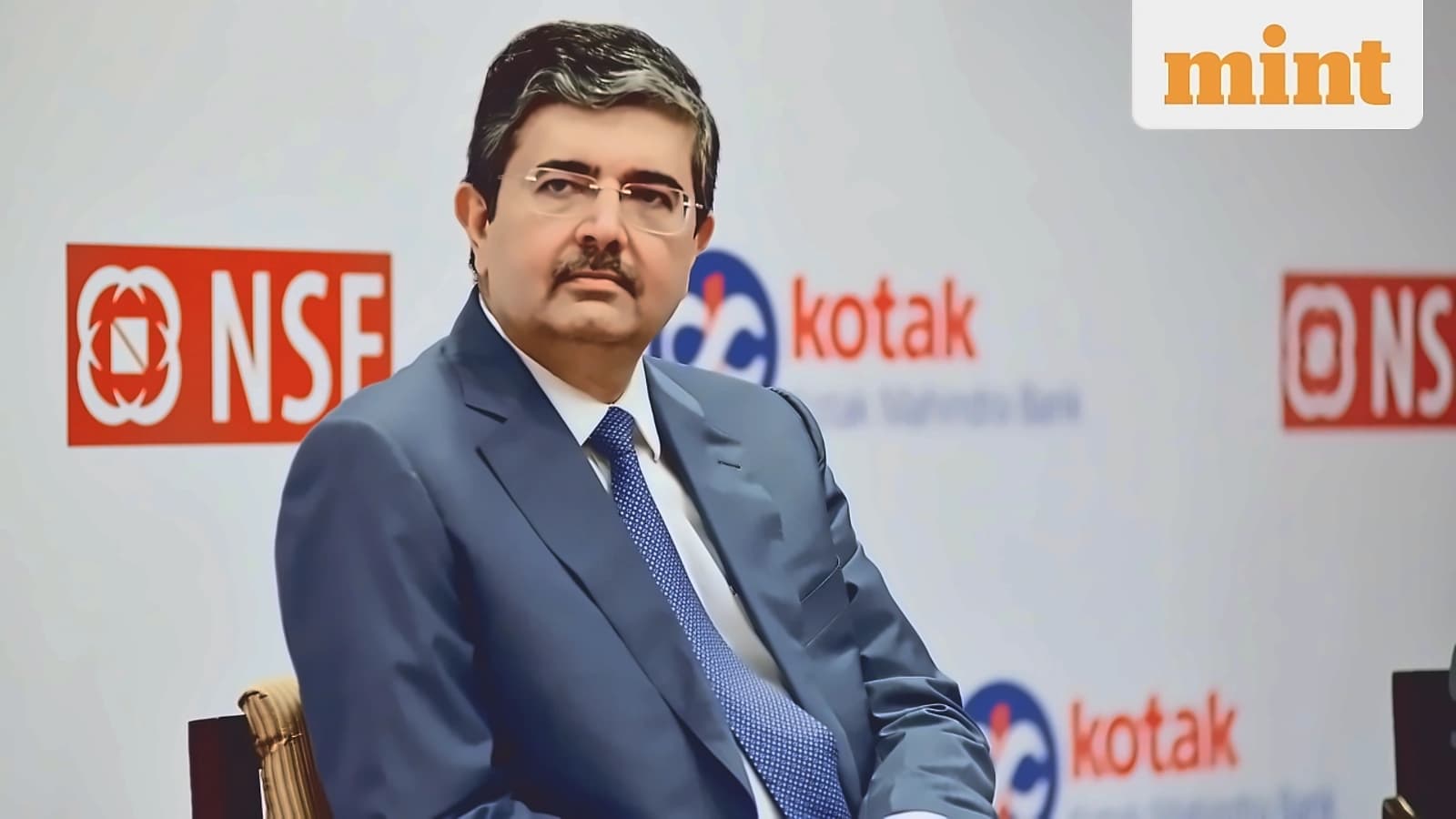
Kotak Mahindra Bank is pursuing a strategy to acquire loan portfolios and expand into alternative assets to deploy excess capital. The bank recently approved acquisition of loan portfolio and non-treasury investments worth ₹10,639 crore from subsidiary Kotak Mahindra Investments Limited. With a capital adequacy ratio of 23%—well above the regulatory minimum of 9% and peer average of 16-19%—the bank faces pressure to improve return on capital. CEO Ashok Vaswani has expressed "high ambitions" for both organic and inorganic growth, targeting the position of India's third-largest private lender by after-tax profit. The bank is targeting alternative asset classes including private equity, real estate, infrastructure, and special situations funds through Kotak Alternate Asset Managers Limited. Recent acquisitions include Standard Chartered's personal loan portfolio in 2025 and micro lender Sonata Finance in 2023. Discussions for acquiring Deutsche Bank's India retail business are ongoing. This strategy is expected to improve risk-adjusted returns through portfolio diversification and yield enhancement, though it carries higher capital requirements and operational complexity. The bank's strong ROE of 15.40% and diversified income streams provide a solid foundation for this expansion, though success will depend on effective risk management and integration capabilities. Others
Infosys' AI-First Ambition
Infosys is targeting the USD 300-400 billion AI-first services opportunity by 2030, having already crossed $1 billion in annualized AI services revenue. The company has developed comprehensive AI capabilities through its Infosys Topaz platform, with 4,600+ AI projects underway and collaboration with 90% of its top 200 clients. Chairman Nandan Nilekani asserts that AI will amplify rather than replace IT firms, emphasizing adaptation and speed. Infosys has invested significantly in AI technology, talent acquisition, and strategic partnerships, including collaborations with Anthropic and Intel. The company has restructured service offerings into AI-first services and AI-augmented services, with AI projects commanding premium pricing and better margins. However, these also carry higher costs due to premium talent requirements. For FY27, Infosys has provided operating margin guidance of 20% to 22%, reflecting disciplined balancing of growth investments with profitability. The company's competitive differentiation stems from being the only large India-based technology services company positioned as a leader in Gartner's Generative AI Consulting quadrant. Success in capturing the AI opportunity will require continued investment in technology infrastructure, specialized talent, and ecosystem partnerships, with potential margin expansion of 200-300 bps by FY2030 if execution succeeds. Transcripts +4