On April 23, 2026, Bikaji Foods International announced the passing of its founder, chairman, and whole-time director, Shiv Ratan Agarwal, at age 74. He died following a heart attack in Chennai, where he had been staying while his wife recovered from bypass surgery. This event marks the end of a four-decade leadership era that transformed a regional Bikaneri snacks business into India's third-largest ethnic snacks company and a globally recognized FMCG brand valued at over ₹16,600 crore .
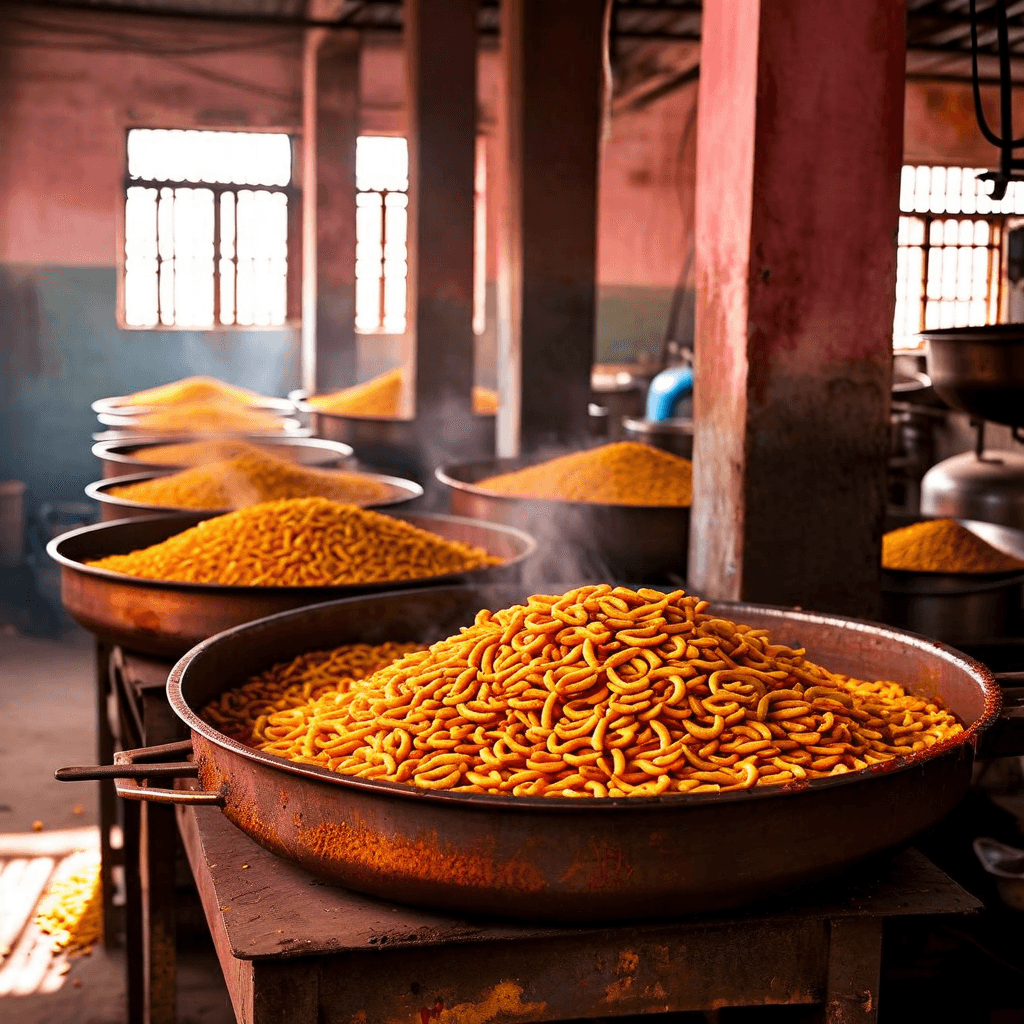
Agarwal was more than just a promoter—he was the symbolic and strategic heart of the brand. A grandson of Haldiram's founder, he struck out on his own in 1986, establishing Shivdeep Products (later rebranded as Bikaji in 1993). His revolutionary contribution was introducing advanced machinery that could mass-produce Bikaneri bhujia while preserving its artisanal texture, making Bikaji the world's largest manufacturer at over 35,000 tonnes annually . Under his leadership, the company successfully listed on stock exchanges in November 2022 and currently trades at a premium valuation of 65-70x P/E .
Succession Framework in Place
The immediate governance impact is clear: Shiv Ratan Agarwal has ceased to be a Promoter/Promoter Group member in accordance with SEBI regulations, creating a vacancy in the Chairman position Others +1. However, the company appears well-prepared for continuity. Deepak Agarwal, the founder's son, serves as Managing Director with 24 years of experience since 2002. He holds a Post Graduate Diploma in Management (Family Managed Business) from SP Jain Institute and has been instrumental in the company's digital growth, geographic expansion, and entry into international markets including the US and Canada .
Shweta Agarwal, Deepak's spouse, serves as Whole-Time Director with 18+ years of experience, specializing in market development, brand management, and product innovation . The professional management team remains stable, with Manoj Verma (COO since June 2021), Rishabh Jain (CFO since November 2021), and Rahul Joshi (Head-Legal & Company Secretary since December 2022) providing operational continuity InvestorPresentations. The board comprises 9 directors, including 5 independent directors (56%), ensuring robust governance oversight .
Ownership and Control Dynamics
The Agarwal family maintains controlling ownership through a structured holding pattern. As of March 31, 2025, the promoter group held 73.46% of equity: Shiv Ratan Agarwal directly (34.22%) and through HUF (24.42%), Deepak Agarwal (14.81%), and minor HUF holdings (0.01%) Others. The founder's combined 58.64% stake will undergo estate settlement, but family control is expected to continue through HUF structures and inheritance.
This ownership structure provides stability but also presents governance considerations. The family holds both ownership and operational control, with three family members on the board . However, the company demonstrates strong governance practices: independent directors chair key committees, all related party transactions are conducted at arm's length, and comprehensive disclosures of inter-se relationships are maintained Others. The challenge will be balancing family legacy preservation with professional management's growth optimization.
Market Reaction and Investor Sentiment
The stock market has reacted with volatility. On April 24, 2026, Bikaji Foods shares fell 4.18% to ₹661.30, trading near the day's low . The stock was already underperforming—down 9.08% over six months and 9.24% over one year—so the founder's death may have accelerated existing negative sentiment rather than creating a new downturn . The premium valuation (72.48x P/E, 11.53x P/B) faces pressure as the "promoter-led premium" undergoes its first major test .
Despite this, all 9 analysts covering the stock maintain "Buy" ratings, indicating strong fundamental confidence . Domestic Institutional Investors have increased holdings from 13.33% to 17.28% over eight quarters, showing growing domestic institutional confidence . The company's Q3 FY26 results showed strong fundamentals: revenue of ₹801.36 crore (+10.9% YoY), net profit of ₹62.17 crore (+123.8% YoY), and EPS of ₹2.48 (+117.5% YoY) .
Strategic Vision and Growth Trajectory
The company's strategic framework, built on the founder's vision of "Aslee Parampara" (True Tradition), appears institutionalized . The growth strategy includes expanding distribution from 3.11 lakh to 4.5 lakh direct outlets over three years, targeting 13-15% volume growth, and improving EBITDA margins by 50+ basis points AnnualReports +1. Exports have emerged as a significant growth driver, growing 22.5% in FY25 and 58.7% in the first nine months of FY26 AnnualReports +1.
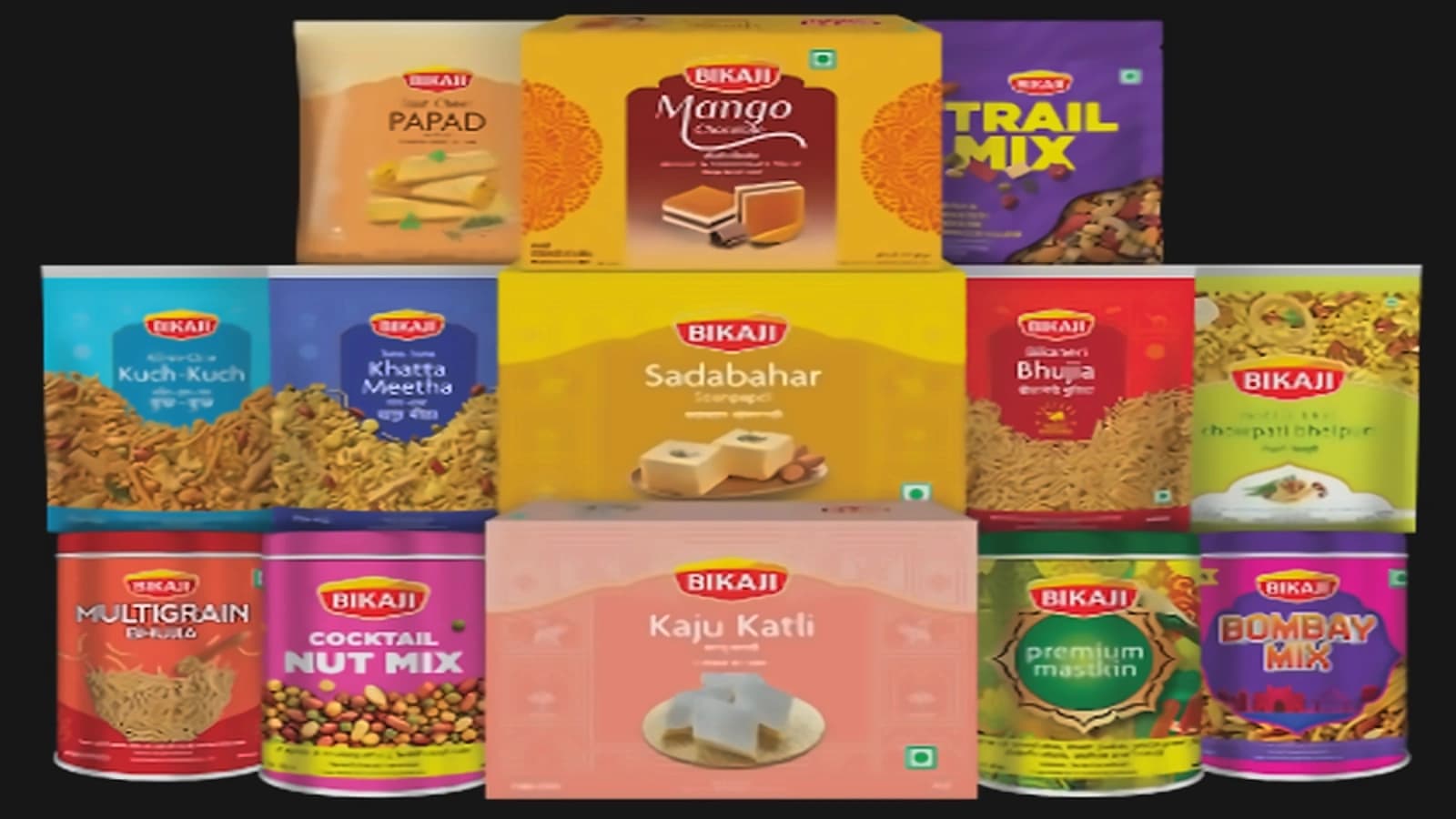
Product innovation continues across health-focused millet-based snacks, frozen foods through Ariba Foods acquisition, artisanal sweets via Hazelnut Factory acquisition, and bakery products through a joint venture AnnualReports. The company has implemented SAP and Darwinbox systems for data-driven decision-making, reducing dependence on individual intuition AnnualReports. This institutionalization provides a foundation for maintaining strategic direction without the founder's direct involvement.
Risks and Challenges
The transition presents several risks. Competitive intensity is increasing, with global players showing interest (General Mills exploring Balaji Wafers stake) and established players like Haldiram's, PepsiCo, and ITC maintaining strong market positions . The founder's personal relationships with distributors, suppliers, and international partners may not fully transfer to the next generation. Maintaining product taste authenticity without the founder's hands-on oversight presents another challenge.
Family business succession statistics are concerning: 36% of Indian family businesses lack clear succession plans (vs. 28% globally), and 52% face senior generation resistance to leadership transition (vs. 29% globally) . While Bikaji Foods performs better than Indian averages on independent director representation, it lags on succession planning transparency. The next 12-18 months will be critical in demonstrating whether the professional management team and next-generation leadership can maintain growth momentum and innovation pace.
Path Forward
The critical success factors for smooth transition include rapid Chairman appointment (likely Deepak Agarwal), clear communication of succession plans to markets, execution excellence on distribution expansion and manufacturing capacity utilization, and strategic clarity on priorities. The company has scheduled a board meeting for May 21, 2026, which may provide further updates on governance structure and leadership succession Others +1.
With proper planning and clear communication, Bikaji Foods can leverage its family ownership strength while benefiting from professional management expertise. The presence of strong institutional processes, independent board oversight, and a seasoned management team provides a solid foundation. However, execution excellence in the coming quarters will be critical to restoring and maintaining investor confidence while honoring the founder's legacy of building authentic traditional snacks into a modern global brand.